

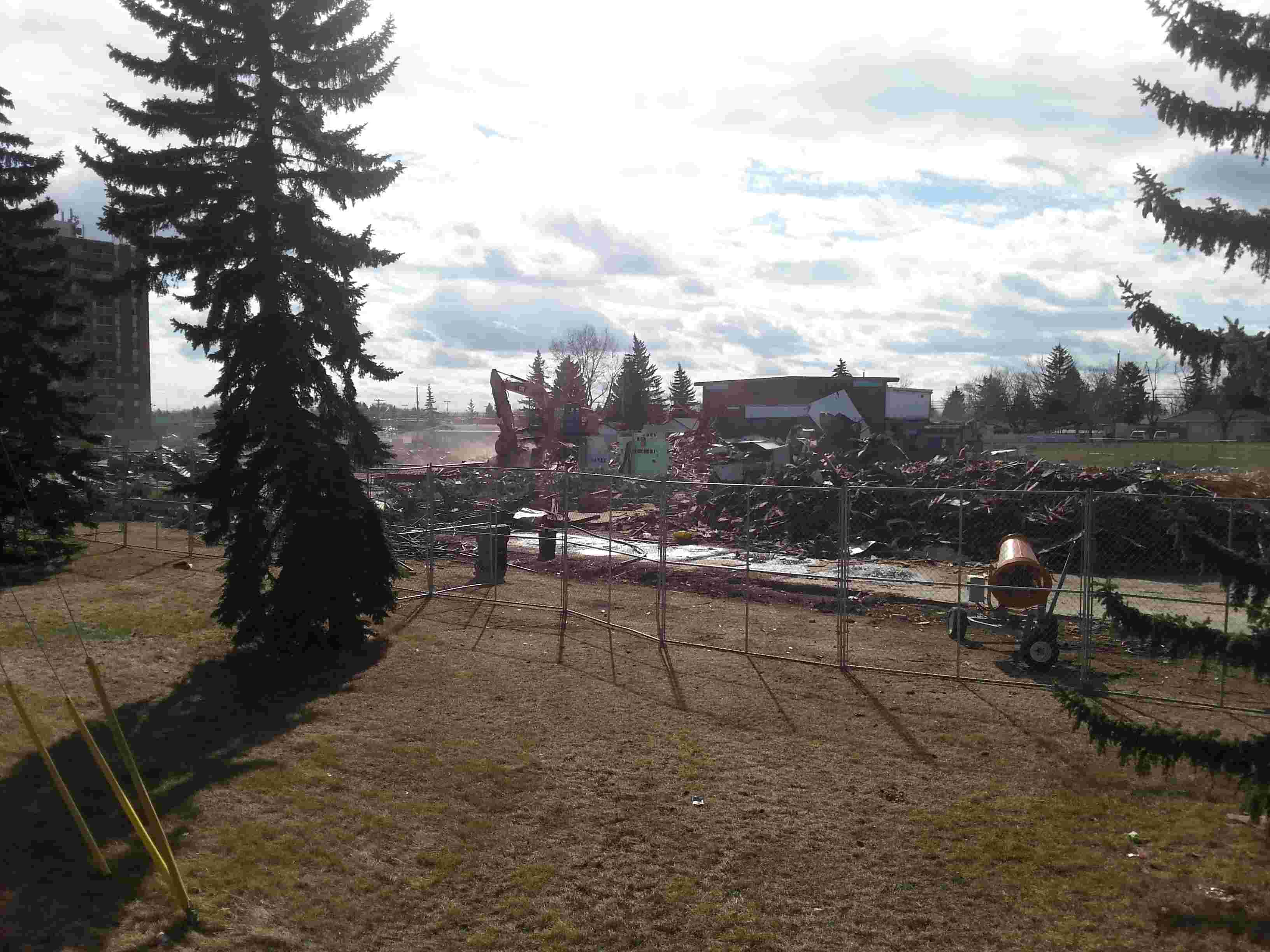
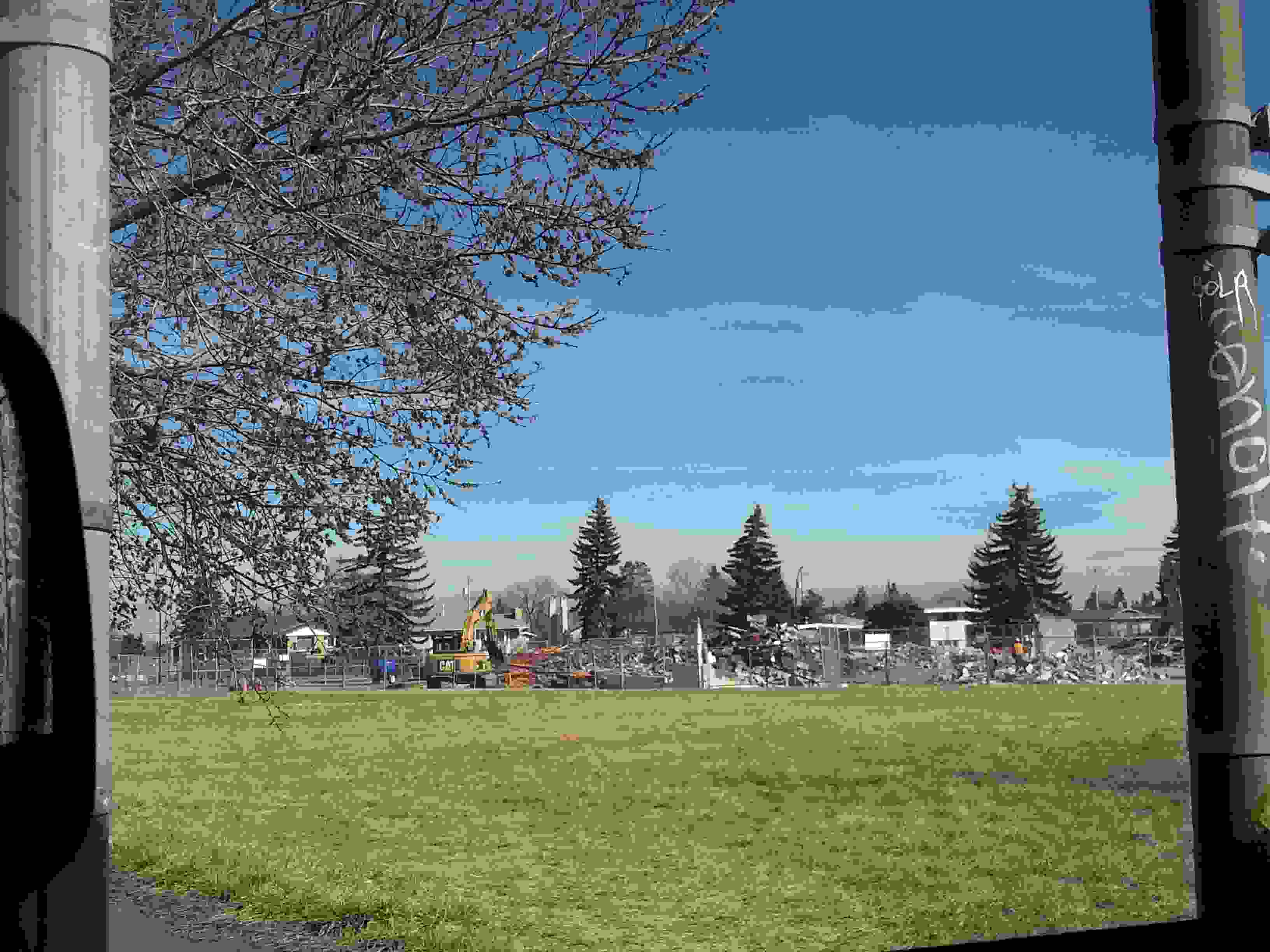
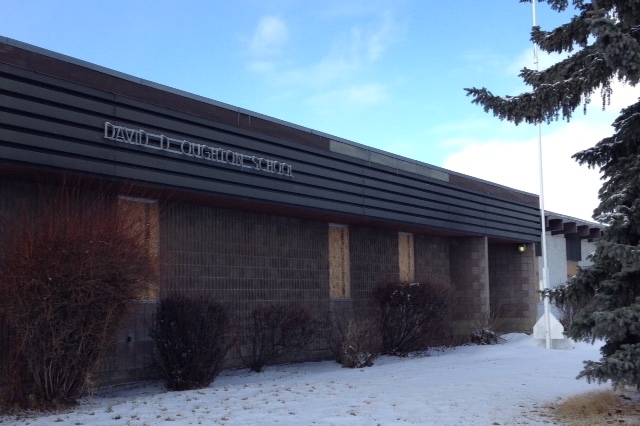
CALGARY — For more than 50 years, the David D. Oughton elementary school stood as the heart of the Albert Park/Radisson Heights community in southeast Calgary. Generations of families sent their children through its doors, and the modest brick building on 28th Avenue SE was as much a neighbourhood landmark as any park or church. But by April 2016, residents awoke to the sound of heavy machinery as demolition crews finally brought the long-abandoned structure to the ground.
A School That Served Generations
Named after David D. Oughton, a respected Calgary educator, the school opened in the early 1960s and served the working-class families of Albert Park, Radisson Heights, and surrounding communities for decades. At its peak, the school educated hundreds of students each year and served as a community hub for after-school programs, parent meetings, and neighbourhood events.
“That school was everything to this neighbourhood,” said longtime Albert Park resident Margaret Chicken-Chief. “My kids went there, my grandkids were supposed to go there. When they closed it, they took something away from us that we never got back.”
Closure and Abandonment
In 2006, the Calgary Board of Education declared the David D. Oughton school surplus due to declining enrolment in the area. The closure was part of a broader wave of school consolidations across Calgary as the CBE grappled with shifting demographics and aging infrastructure. Despite protests from local parents and community groups, the school was shuttered and its students redistributed to neighbouring schools.
What followed was nearly a decade of neglect. The empty building quickly became a target for vandalism, graffiti, and break-ins. Windows were smashed, doors were pried open, and the once-tidy schoolyard became overgrown with weeds. Neighbours reported seeing transients sheltering inside during cold winter months, raising safety concerns for families living nearby.
The Asbestos Problem
As the building deteriorated, a more serious concern emerged: asbestos. Like many schools built in the 1960s, the David D. Oughton school contained asbestos insulation and building materials that were standard for the era but are now recognized as a serious health hazard. As long as the asbestos remained undisturbed inside intact walls and ceilings, the risk was manageable. But years of vandalism and weather damage had compromised the building envelope, raising fears of fibre release into the surrounding neighbourhood.
Environmental assessments conducted prior to demolition confirmed the presence of asbestos-containing materials throughout the structure. A comprehensive abatement program was required before any demolition could proceed, adding complexity and cost to the project.
“The asbestos situation made this much more than a simple teardown,” said a City of Calgary spokesperson. “Specialized contractors had to carefully remove and dispose of all hazardous materials before the main structure could come down. The safety of the surrounding community was the top priority throughout the process.”
The Demolition
Demolition crews arrived at the site in early April 2016, beginning with the careful removal of asbestos-containing materials under controlled conditions. Workers in protective gear systematically stripped the interior before heavy equipment was brought in to take down the structure itself. The entire process took several weeks, with dust suppression measures in place to protect nearby residents.
Community Impact
For residents of Albert Park and Radisson Heights, the demolition brought mixed emotions. Many were relieved to see the eyesore and safety hazard finally removed, but others mourned the loss of what the school had once represented.
“It was bittersweet watching it come down,” said area resident Carlos Mendes, who grew up attending the school in the 1980s. “On one hand, that building had become dangerous and it needed to go. But on the other hand, it felt like they were erasing a piece of our history.”
Community association president Diana Fung noted that the school closure in 2006 had a lasting impact on the neighbourhood. “When you lose your local school, families with children start looking at other communities. It changes the whole character of a neighbourhood over time.”
What Comes Next
With the 8.77-acre site now cleared, questions have turned to what will replace the old school. The City of Calgary owns the land and has indicated that future development proposals will be considered. Community members have expressed hope that whatever is built on the site will serve the neighbourhood — whether that means affordable housing, green space, or community facilities.
“This community has waited long enough,” said Fung. “We deserve something that gives back to the people who have lived here through all of this.”
For now, the cleared lot sits as a blank canvas in a neighbourhood that has seen better days but remains hopeful about what the future might bring. The demolition of David D. Oughton school closes one chapter in Albert Park history — but the next chapter has yet to be written.
Copyright 2016 WestNet-HD Action News