

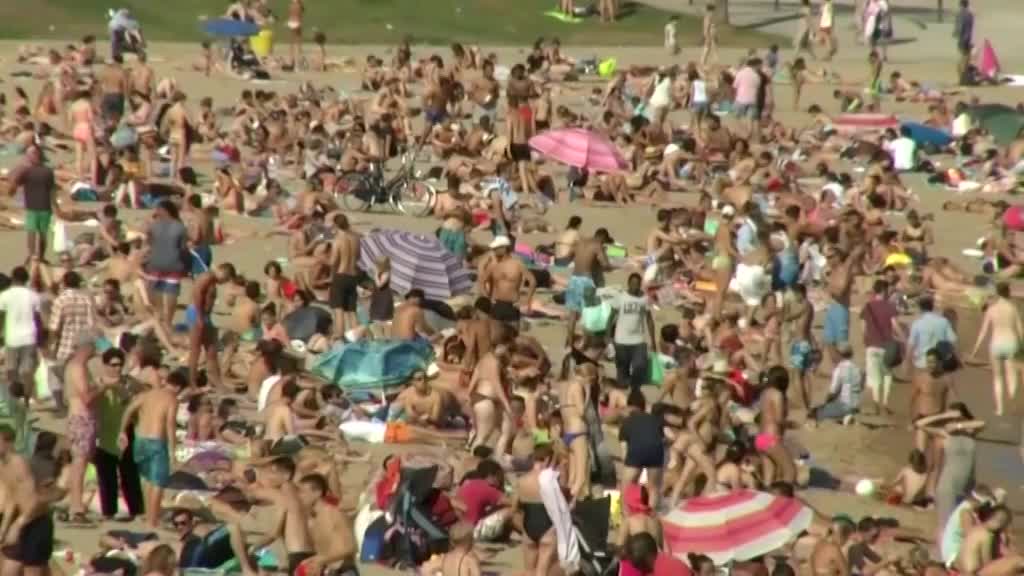
Across Europe, some of the continent’s most beloved tourist destinations are reaching a breaking point. Cities including Venice, Barcelona, Prague, and Dubrovnik are implementing — or seriously considering — restrictions on visitor numbers as the phenomenon known as “overtourism” transforms historic centres into overcrowded theme parks and drives local residents out of their own neighbourhoods.
Venice: Sinking Under the Weight of Visitors
Venice, Italy, perhaps the most iconic example of overtourism, receives approximately 30 million visitors per year — in a city with a permanent population of just 55,000. The crush of tourists has accelerated the decay of the city’s fragile infrastructure, overwhelmed its waste management systems, and driven housing costs so high that local residents continue to flee to the mainland at an alarming rate.
City officials have proposed limiting daily visitor numbers, banning large cruise ships from the lagoon, and implementing an entry fee for day-trippers. “Venice cannot continue to be treated as a museum with no closing time,” said Mayor Luigi Brugnaro.
Barcelona: Locals Fight Back
In Barcelona, tensions between tourists and locals have escalated into open protests. Residents of neighbourhoods like La Barceloneta have demonstrated against the proliferation of vacation rental apartments, which they blame for skyrocketing rents and the erosion of community character. The city has imposed a moratorium on new tourist accommodation licenses and increased enforcement against illegal vacation rentals.
“Tourism is important to our economy, but it cannot come at the cost of making Barcelona unlivable for the people who actually live here,” said Barcelona’s deputy mayor for urban planning.
The Broader Impact
The pattern repeats across Europe. Prague residents complain about beer-fueled bachelor parties. Dubrovnik struggles with Game of Thrones-inspired tourism that floods its narrow medieval streets. Amsterdam has launched campaigns discouraging rowdy visitors. Even smaller destinations like Iceland and the Cinque Terre in Italy are grappling with visitor volumes that far exceed their infrastructure capacity.
Environmental impacts are also significant. Increased foot traffic damages historic sites, tourist transportation contributes to air pollution, and the waste generated by millions of visitors strains local systems. Marine environments near coastal tourist destinations have suffered from cruise ship pollution and unregulated water activities.
Finding Balance
Tourism experts say the challenge is finding a sustainable balance between the economic benefits of tourism and the quality of life for local residents. Solutions being explored include visitor caps, dynamic pricing for peak seasons, investment in lesser-known destinations to spread tourist traffic, and community benefit agreements that ensure tourism revenue reaches local populations.
“The era of unlimited tourism growth is over,” said Dr. Harald Pechlaner of the European Academy of Bozen-Bolzano. “Cities are learning that more visitors does not always mean more prosperity. Quality of experience — for both visitors and residents — must become the priority.”
Copyright 2017 WestNet Action News