Public health officials across Canada are working to address vaccine hesitancy and resistance to pandemic restrictions within some Muslim communities, as religious and cultural concerns continue to influence responses to COVID-19 measures.
Dr. Theresa Tam, Canada's chief public health officer, acknowledged during a recent briefing that certain religious communities have expressed concerns about vaccines, with some citing religious beliefs about divine protection and questioning the necessity of public health measures.
"We recognize that vaccine hesitancy exists across all communities for various reasons, including religious, cultural, and personal beliefs," Tam said. "Our approach is to engage respectfully with community leaders to address specific concerns."
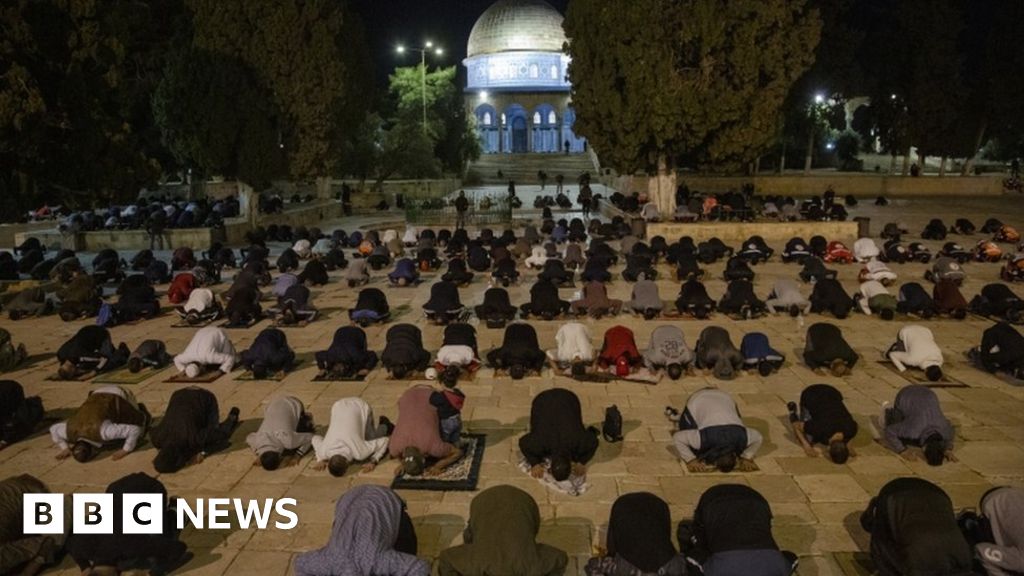
Islamic scholars and community leaders report that while mainstream Islamic organizations support vaccination, some individuals within Muslim communities have expressed reluctance based on interpretations of religious teachings about trusting in divine will.
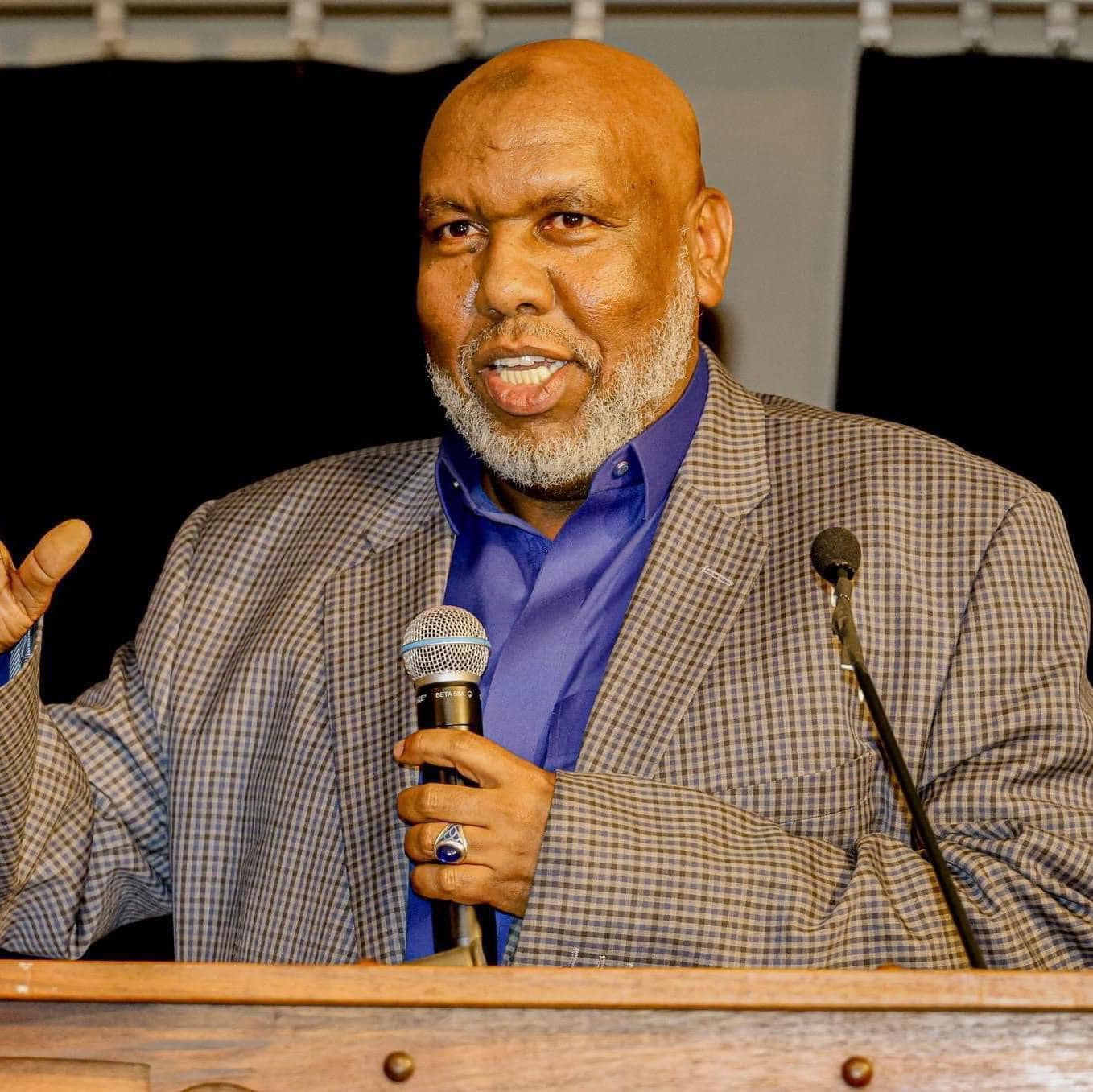
Imam Mohammad Nasir of the Calgary Islamic Centre emphasized that Islamic teachings actually encourage seeking medical treatment and protecting community health. "Islam teaches us to take precautions and seek medical care," he said. "The Quran tells us that whoever saves a life, it is as if they have saved all of humanity."
However, some community members have expressed concerns about vaccine ingredients, the speed of vaccine development, and government mandates, leading to lower vaccination rates in certain areas with significant Muslim populations.
Public health data from Toronto and Montreal indicate that some neighbourhoods with large Muslim communities initially showed lower vaccination uptake compared to city averages, though rates have been improving through targeted outreach efforts.
Dr. Noni MacDonald, a vaccine expert at Dalhousie University, noted that vaccine hesitancy is not unique to any single religious group. "We see concerns across many communities," she said. "The key is respectful dialogue and addressing specific questions people have."
The Canadian Muslim Public Affairs Council has been working with health authorities to promote vaccination while respecting religious concerns. They have organized information sessions featuring both health experts and Islamic scholars.

"We want to ensure our community has accurate information from trusted sources," said council spokesperson Fatima Al-Hassan. "When people understand that vaccination aligns with Islamic principles of protecting health and community welfare, acceptance increases."
Some resistance to lockdown measures has also been reported, with certain individuals citing religious obligations to attend communal prayers and gatherings. However, major mosques and Islamic organizations have generally supported public health guidelines.
Health officials continue to emphasize the importance of culturally sensitive outreach and working with religious leaders to address concerns while maintaining public health objectives.