



What began as a Lebanese immigrant family's dream in Montreal has evolved into one of Canada's most ubiquitous retail chains, with Dollarama now operating more than 1,500 stores from coast to coast and serving as an essential shopping destination for millions of Canadians.
The Rossy family's journey to Canadian retail dominance started when Salim Rassy emigrated from Lebanon to Montreal in 1992, eventually founding what would become Dollarama in 1992. The discount retailer has since transformed from a small variety store concept into a billion-dollar enterprise that has fundamentally changed how Canadians shop for everyday essentials.
Today, Dollarama operates 1,541 stores across all 10 provinces, making it one of Canada's largest retail networks. The company's reach extends to communities large and small, with stores serving populations from major urban centres to rural towns where residents often travel significant distances to shop.
"Dollarama has become part of the fabric of Canadian retail," said retail analyst Marina Strauss. "For many Canadians, especially those in smaller communities or on tight budgets, it's not just convenient shopping—it's essential shopping."
The Lebanese-Canadian success story reflects broader immigration patterns that have shaped Canada's business landscape. The Rossy family's entrepreneurial spirit, combined with their understanding of value-conscious consumers, helped them identify and fill a crucial gap in the Canadian retail market.
Statistics Canada data shows that discount retailers like Dollarama have gained significant market share over the past two decades, particularly during economic uncertainties when consumers prioritize value. The company reported revenues of $4.9 billion in its most recent fiscal year, with same-store sales growth consistently outperforming traditional retailers.
The chain's business model focuses on offering a curated selection of everyday items at fixed price points, primarily ranging from $1.25 to $5.00. This approach has proven particularly appealing to Canadian families managing household budgets, students, and seniors on fixed incomes.
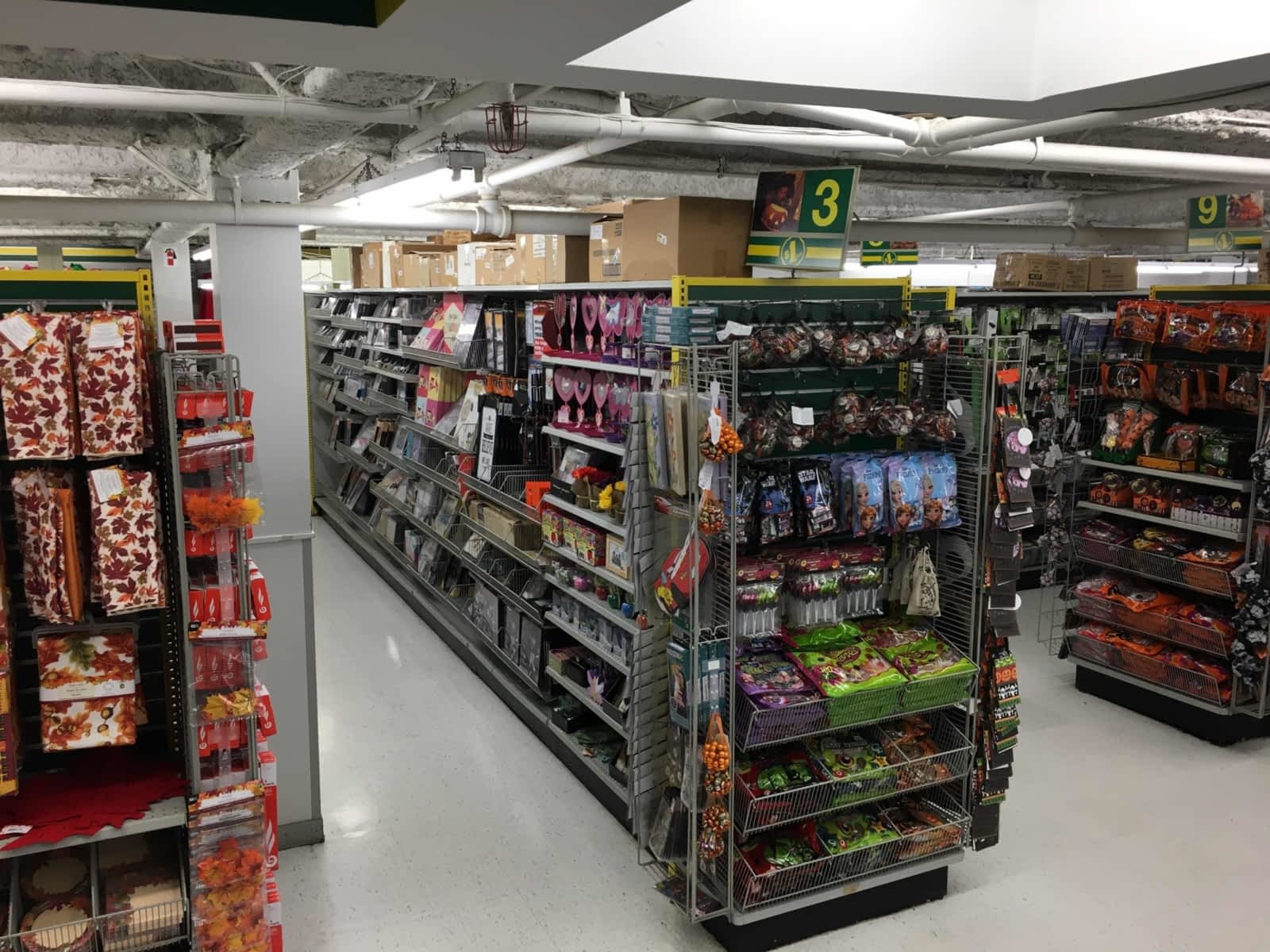
"We see customers from all walks of life," said store manager Sarah Chen at a Calgary location. "Young families stocking up on cleaning supplies, university students buying school supplies, seniors picking up greeting cards and household items. It's become a weekly stop for many people."
The company's supply chain strategy has also contributed to its success, with products sourced globally but distribution centralized through facilities in Montreal and Toronto. This approach allows Dollarama to maintain consistent inventory and pricing across its national network.
Beyond its economic impact, Dollarama has influenced Canadian shopping habits and retail expectations. The fixed-price model has been adopted by other retailers, and the chain's emphasis on convenience and value has set new standards for discount retail in Canada.

The Rossy family's Lebanese heritage is part of a larger story of immigrant entrepreneurship in Canada. Lebanese-Canadians have established successful businesses across various sectors, contributing significantly to the country's economic development while maintaining cultural connections to their homeland.
As Dollarama continues expanding, with plans to reach 2,000 stores by 2031, the company remains a testament to how immigrant families can build enterprises that become integral to Canadian life. The chain's success demonstrates not only shrewd business acumen but also a deep understanding of Canadian consumers' needs and preferences.
For millions of Canadians, the familiar green and yellow Dollarama signage has become as recognizable as any national symbol, representing accessibility, value, and the entrepreneurial spirit that helped build modern Canada.