

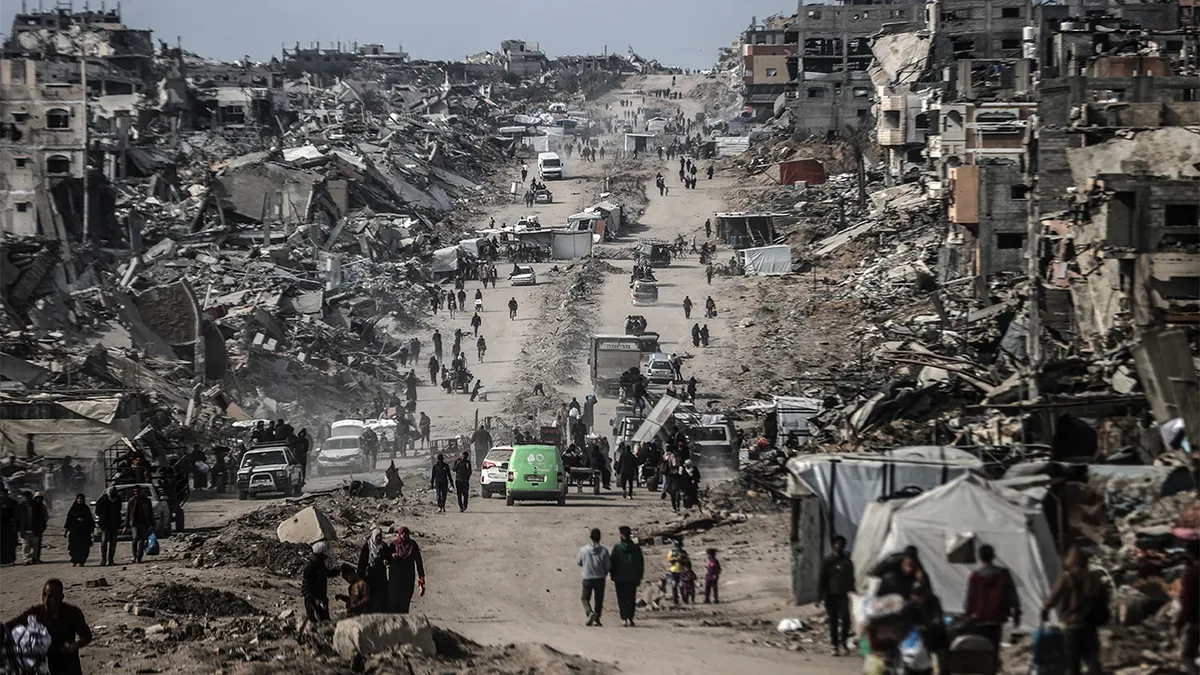
In the face of unprecedented trauma and systemic breakdown, Palestinian communities are increasingly finding that traditional mental health frameworks fall short of addressing the profound psychological wounds inflicted by decades of conflict and what many international observers have characterized as genocidal violence.
The numbers paint a devastating picture: over 40 per cent of Palestinian children in Gaza exhibit symptoms of post-traumatic stress disorder, according to recent humanitarian assessments. Yet for families like the Khalils of Gaza City, statistics cannot capture the daily reality of helping children process incomprehensible loss while maintaining hope for the future.
"We have tried everything the aid organizations offer," says Fatima Khalil, whose three children have witnessed destruction that would traumatize adults. "The counselling sessions, the art therapy, the support groups. But there comes a point where human solutions reach their limit."
This sentiment reflects a growing recognition among Palestinian communities that conventional mental health approaches, while valuable, cannot fully address trauma of this magnitude and duration. The ongoing nature of the crisis means that healing occurs against a backdrop of continued threat and uncertainty.
Dr. Rashid Al-Masri, a Palestinian psychologist who has worked in refugee camps for over two decades, acknowledges the limitations of his profession in this context. "We can provide coping mechanisms and temporary relief," he explains. "But when the source of trauma is systemic and ongoing, when entire communities face existential threats, we must be honest about what secular interventions can accomplish."
The intergenerational nature of Palestinian trauma compounds these challenges. Children inherit not only the immediate effects of current violence but also the accumulated grief of parents and grandparents who have experienced multiple displacements, losses, and traumas over generations.
In this context, many Palestinian families have turned to faith as both a source of meaning and a framework for understanding suffering that transcends human comprehension. Islamic teachings about patience (sabr) and trust in divine wisdom (tawakkul) provide a theological foundation for endurance that secular approaches struggle to match.
"When my daughter asks why her school was bombed, why her friend's family is gone, I can tell her about counselling techniques," explains Ahmad Nasser, a father of four in Rafah. "But ultimately, I tell her that Allah sees all injustice and that there is purpose beyond what we can understand. This gives her something to hold onto that no human system can provide."

This reliance on divine providence is not passive resignation but active faith that sustains resistance and hope. Religious communities have become primary sources of psychological support, offering frameworks for meaning-making that acknowledge both suffering and ultimate justice.
The role of prayer, community worship, and religious ritual in maintaining psychological stability cannot be understated. These practices provide routine, community connection, and a sense of transcendent purpose that helps individuals process trauma within a larger spiritual narrative.
However, the turn toward faith-based healing raises complex questions about the responsibilities of international institutions and governments. While spiritual resilience has proven crucial for Palestinian survival, it should not excuse the international community's failure to address the political roots of this psychological crisis.
"God's grace sustains us," reflects Imam Yousef Al-Khatib of the Islamic Centre of Calgary, who maintains connections with Palestinian communities abroad. "But divine mercy also calls human beings to act justly. Faith and political accountability must work together."

For Palestinian children specifically, religious education has become a form of psychological protection, providing identity and purpose that external circumstances cannot destroy. Quranic memorization, Islamic history lessons, and spiritual practices offer cognitive frameworks that help young minds process incomprehensible violence.
The failure of international systems to protect Palestinian civilians has reinforced the community's reliance on divine justice. When human institutions prove inadequate or complicit, faith becomes not just comfort but the foundation for continued existence.
As the crisis continues with no political resolution in sight, Palestinian mental health increasingly depends on spiritual resources that transcend human limitations. While this reality speaks to the remarkable resilience of faith communities, it also represents an indictment of global systems that have failed to provide basic protection and justice.
The Palestinian experience suggests that for communities facing existential threats, mental health cannot be separated from questions of meaning, justice, and transcendence. When human systems fail catastrophically, divine grace becomes not just a hope but a necessity for survival.