Medical professionals across Canada are expressing growing concerns about the increasing rates of Vyvanse prescriptions among children, calling for stricter oversight and more comprehensive evaluation processes for attention deficit hyperactivity disorder (ADHD) diagnoses.
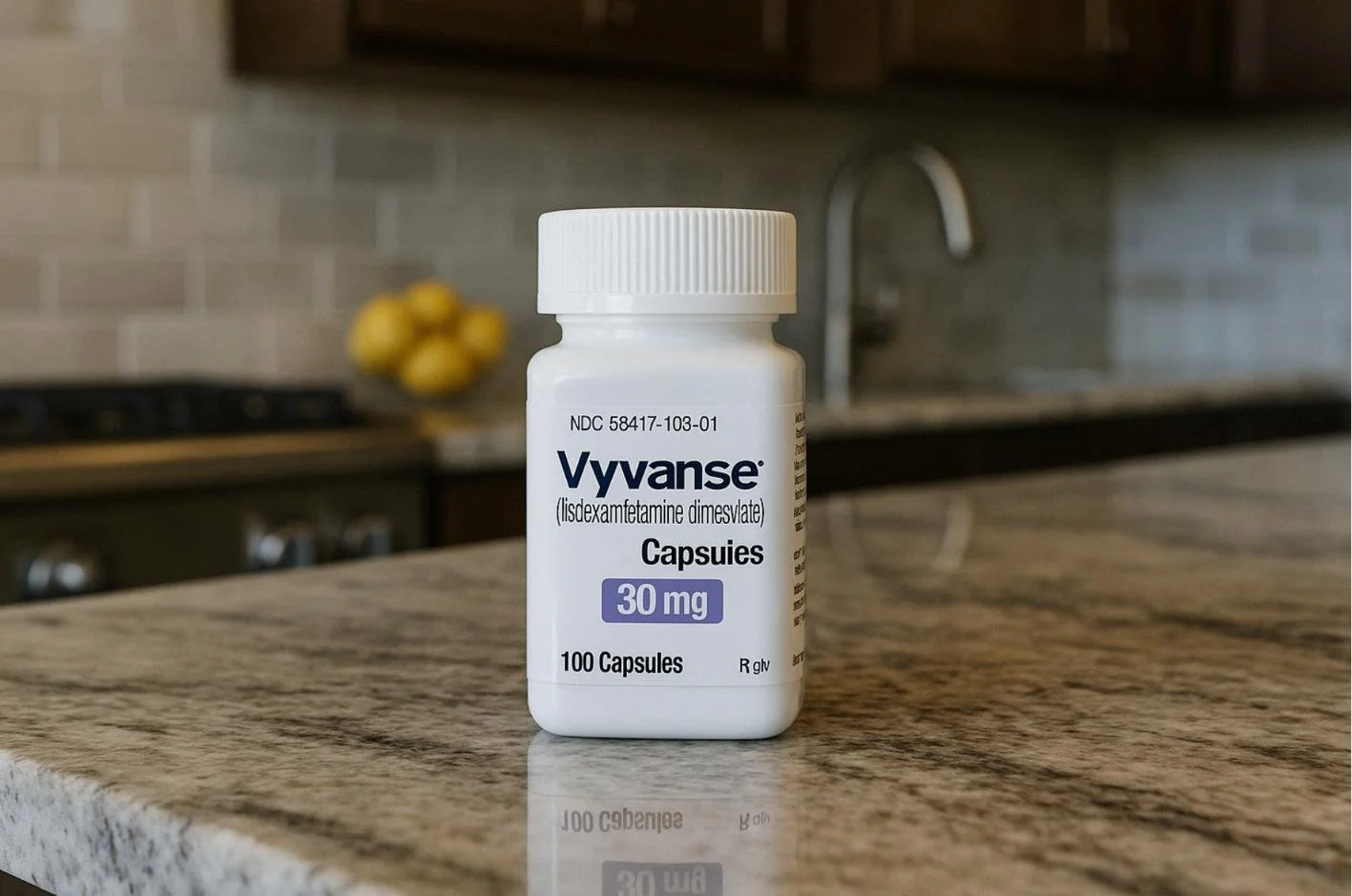
Vyvanse, a stimulant medication containing lisdexamfetamine dimesylate—which converts to amphetamine in the body—has seen a dramatic surge in prescriptions over the past decade. Health Canada data shows prescription rates for ADHD medications among children aged 6-17 have increased by approximately 40 per cent since 2015.

The medication, classified as a Schedule II controlled substance due to its amphetamine content, carries risks including appetite suppression, sleep disturbances, mood changes, and potential cardiovascular effects. Long-term studies on developing brains remain limited, according to recent research published in the Canadian Journal of Psychiatry.

Dr. Robert Chen, a pediatric neurologist in Toronto, emphasized the importance of thorough evaluation processes. "ADHD is a legitimate medical condition that can significantly impact a child's academic and social development," Chen said. "However, we must ensure we're not medicating normal childhood behaviours or missing underlying issues like anxiety, learning disabilities, or environmental factors."
The Canadian Paediatric Society recommends a multi-step diagnostic approach including detailed medical history, behavioural assessments from multiple sources, and consideration of non-pharmaceutical interventions such as behavioural therapy, dietary modifications, and environmental changes.

Parents' advocacy groups are also raising concerns about the pressure to medicate. Lisa Brennan, whose 8-year-old son was prescribed Vyvanse, said she sought multiple opinions before beginning treatment. "There's definitely pressure from schools and even some healthcare providers to try medication first," Brennan said. "We need better support for families exploring all options."
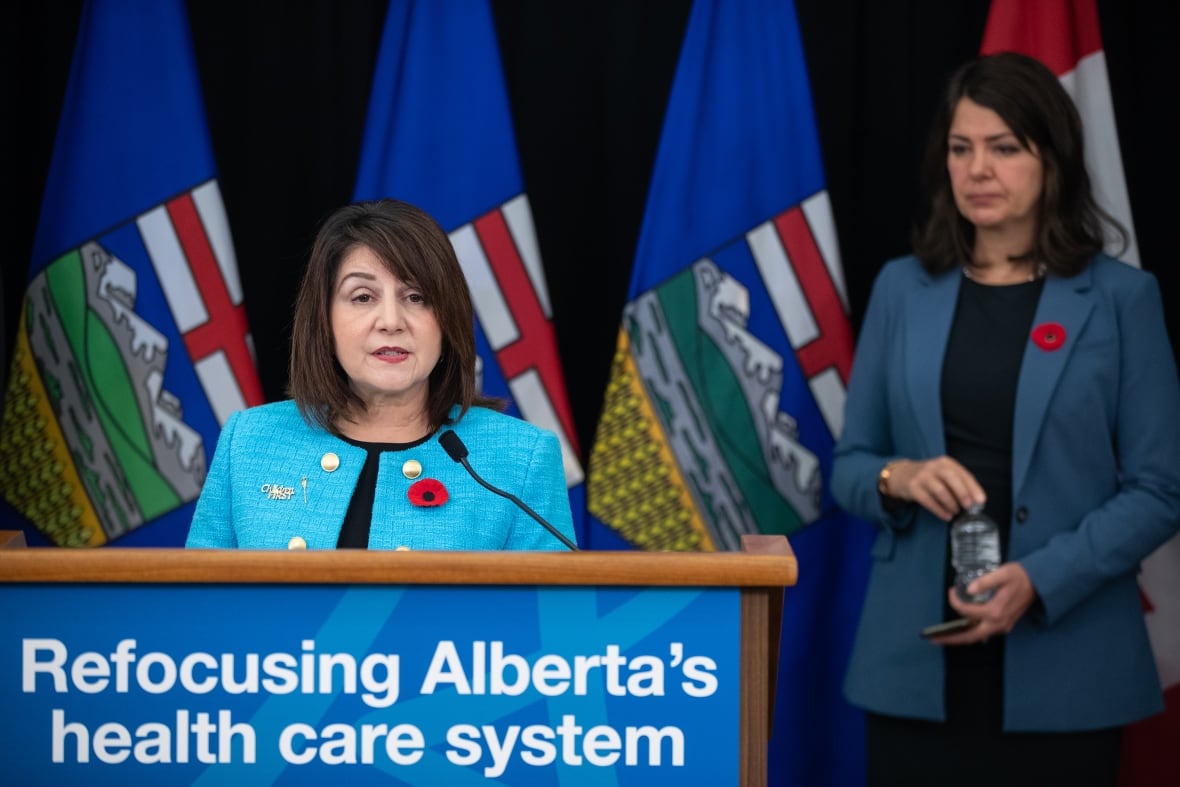
Provincial health authorities are reviewing prescribing patterns, with Alberta Health Services announcing plans for enhanced monitoring systems and mandatory continuing education for healthcare providers prescribing ADHD medications to minors.
The College of Family Physicians of Canada is developing new guidelines expected to be released later this year, focusing on comprehensive assessment protocols and regular medication reviews to ensure appropriate use of stimulant medications in pediatric populations.