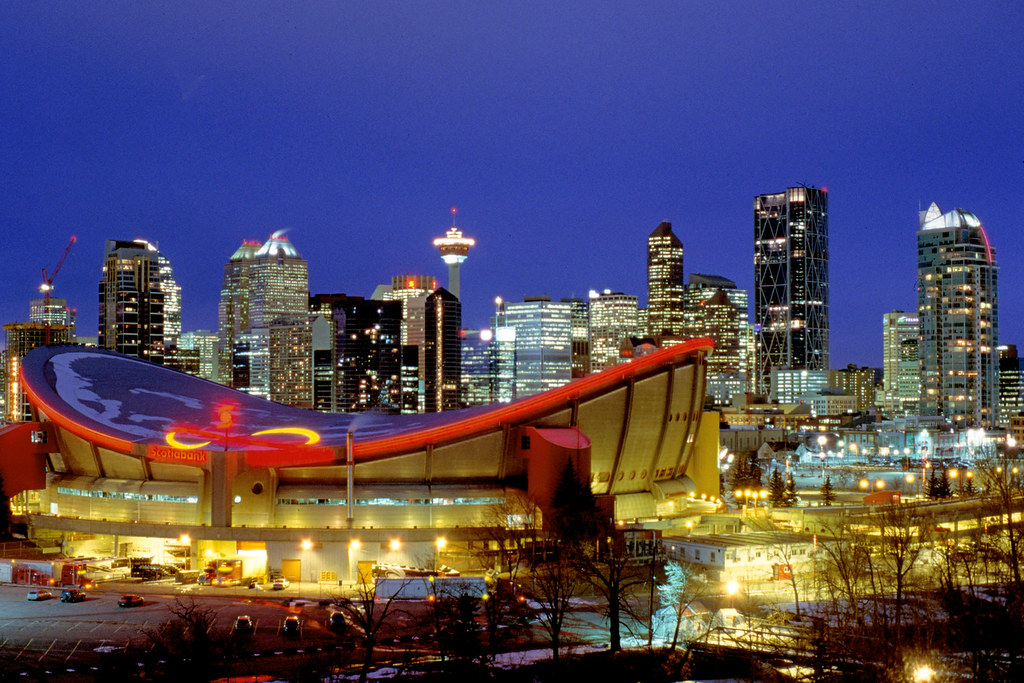
Calgary has officially been named Canada's most livable city for 2026, according to a comprehensive new national livability index that evaluated 50 Canadian metropolitan areas across dozens of key indicators. The Alberta city edged out Vancouver, Ottawa, and Victoria to claim the top spot — a ranking that confirms what many Calgarians have long believed.
What the Rankings Measured
The 2026 Canadian Livability Index assessed cities across five core pillars: economic opportunity, housing affordability, public safety, healthcare access, and environmental quality. Calgary scored highest in the combined categories, earning particular praise for its balance of strong employment numbers and relatively affordable cost of living.
"Calgary represents a rare combination in Canada right now — a city where you can find a well-paying job and still afford to buy a home," said Dr. Amara Okafor, lead researcher at the Canadian Urban Policy Institute, which conducted the study. "That's becoming increasingly difficult to find in this country."
Tech Sector Driving Economic Growth
Central to Calgary's top ranking is its rapidly expanding technology sector. The city added over 8,000 new tech jobs in 2025 alone, with major players including Infosys, Mphasis, and Benevity expanding their Calgary operations. The city's tech workforce has grown by 42% since 2020, transforming the economic landscape once dominated almost entirely by oil and gas.
Average tech salaries in Calgary now sit at approximately $95,000 — competitive nationally — while the cost of living remains 20-30% lower than Toronto or Vancouver. This salary-to-cost ratio is a key driver of the city's livability score.
Housing: Still Affordable by Canadian Standards
While housing prices across Canada continue to climb, Calgary remains one of the most affordable major cities in the country. The average home price in Calgary sits at approximately $585,000 — compared to over $1.1 million in Toronto and $1.2 million in Vancouver.
New housing developments in communities like Livingston, Cornerstone, and the East Village continue to add inventory, keeping supply closer to demand than most Canadian markets. The city's urban densification strategy has also brought thousands of new apartments and condos to the downtown core.
Quality of Life and Outdoor Access
Calgary's proximity to the Canadian Rocky Mountains was cited as a significant quality-of-life advantage. Within an hour's drive, residents can access Banff National Park, Kananaskis Country, and world-class skiing at resorts like Lake Louise and Sunshine Village.
The city itself boasts over 1,000 kilometres of urban pathways and bike trails, including the extensive Bow River pathway system. Calgary also receives more hours of sunshine annually than any other major Canadian city — an average of 2,396 hours per year — which contributes significantly to resident wellbeing.
Infrastructure and Transit Investment
Calgary's ongoing Green Line LRT project and the expansion of the Bus Rapid Transit network demonstrate the city's commitment to improving public transit infrastructure. The planned Green Line will connect the deep southeast to the north-central corridor, serving communities that have long relied on vehicle commuting.
The city also recently completed a $280-million upgrade to its water treatment infrastructure following the June 2024 feeder main break, ensuring long-term water security for the region's growing population.
Cultural and Community Growth
Calgary's cultural scene continues to mature, with the National Music Centre, Glenbow Museum, and a growing number of independent galleries, breweries, and restaurants contributing to a vibrant urban experience. The city's annual Calgary Stampede remains one of Canada's largest festivals, attracting over 1.2 million visitors each year.
Immigration has also enriched the city's cultural fabric. Calgary is now home to residents from over 200 ethnic backgrounds, creating one of Canada's most diverse communities. Neighbourhoods like the International Avenue district showcase this diversity with restaurants, shops, and cultural centres representing dozens of traditions.
Challenges Ahead
Despite the top ranking, experts note that Calgary still faces challenges. Rising housing costs — while lower than other major cities — are pricing out some residents. Public transit coverage remains limited in many suburban areas, and the city's healthcare system, like the rest of Alberta's, faces ongoing staffing pressures.
"No city is perfect," acknowledged Dr. Okafor. "But Calgary is doing more things right than most Canadian cities right now. The trajectory is very positive."
What This Means for Calgary's Future
The livability ranking is expected to further boost Calgary's appeal to both domestic migrants and international immigrants. Alberta already leads Canadian provinces in net interprovincial migration, with Calgary as the primary destination.
For long-time residents, the ranking validates what they've experienced firsthand: a city that offers career opportunities, space to grow, and access to some of the most spectacular natural landscapes in the world — all without the crushing cost burdens that define life in Canada's coastal cities.