


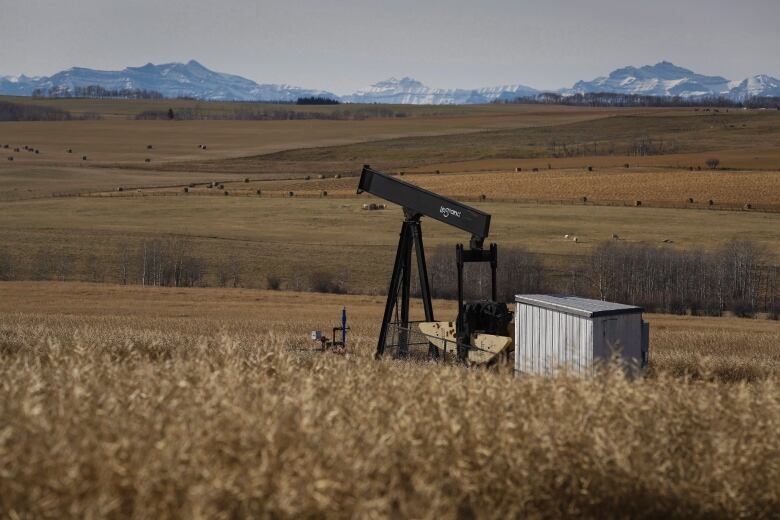
Teresa Patry's family farm in Vermilion, Alberta, was supposed to be a place of peace and productivity. Instead, she says it has become an unintended industrial site—one where two aging oil wells operate on her property, releasing what independent air quality assessments identify as steady streams of methane and potentially hazardous gases directly downwind from where her family and livestock live.
The physical symptoms are immediate. A smell like gasoline fills the air when the wind shifts. Patry reports headaches that strike within minutes of exposure, a burning sensation across her face, and a growing concern about what these emissions are doing to her family's long-term health.
"Our home isn't an industrial site, but it's sort of been turned into one," Patry told CBC Radio's What On Earth program.
When her parents signed a lease agreement with an oil and gas company in 2006, it felt like a reasonable decision. They trusted Alberta's regulators. They supported the energy industry. Few in their community questioned such arrangements back then.
A Pattern of Dismissal
What has frustrated Patry most is the response—or lack thereof—from Alberta's Energy Regulator (AER). Each time she has reported the emissions and health concerns, officials have told her the wells are operating within acceptable parameters.
"The whole family was trusting," Patry explained. "I think there's a lot of other landowners that were trusting that we had these really good regulators, and that's just not the case at all."
The AER declined to comment on specific complaints, stating only that it "regulates in accordance with government policy."
Environmental advocates say Patry's situation is far from unique. They report hearing from dozens of Alberta landowners facing similar circumstances—families living with aging or decommissioned oil wells that are actively polluting their properties and affecting their health, yet receiving minimal support or intervention from provincial authorities.
The Science Behind the Emissions
What Patry is experiencing is called venting—the controlled release of unburned natural gas into the atmosphere. While methane is odourless on its own, the process releases other compounds that create the distinctive smell she encounters.
The numbers are sobering: methane is more than 80 times more potent than carbon dioxide as a greenhouse gas over a 20-year period. It's regularly released unintentionally during fossil fuel production, and as wells age, these emissions often increase rather than decrease.
A Growing Concern for Alberta
As Alberta develops strategies to address methane emissions and manage aging oil-and-gas infrastructure, advocates worry that the voices of ordinary landowners like Patry will continue to be drowned out. The regulatory framework allows companies to drill on private land if they hold mineral rights, but the balance of power heavily favours operators over residents.
In Alberta's push to modernize energy policy, questions are mounting: How many families are living with similar health impacts? What long-term monitoring is actually occurring? And what recourse do landowners truly have when regulators insist everything is normal—even as they smell fumes and experience physical symptoms?
For Patry, the answers remain frustratingly out of reach.
This article is based on reporting from CBC Radio's What On Earth program. Original reporting by Sheena Goodyear. Read the full story at CBC.ca.