


Resource Guide
Calgary Real Estate Market
Your guide to Calgary's housing market. Home prices, neighbourhood guides, market trends, and the latest real estate news for buyers, sellers, and investors in Calgary and surrounding communities.
Updated: Thursday, August 20, 2026
Market Snapshot
Detached Homes
$500K - $700K
Calgary average range
Condominiums
$200K - $350K
Calgary average range
Townhouses
$300K - $450K
Calgary average range
Average Rent (1BR)
$1,400 - $1,800
Monthly, varies by area
Prices are approximate ranges and fluctuate with market conditions. For current listings and detailed price data, visit CalgaryPrices.com or the Calgary Real Estate Board (CREB).
Calgary's Housing Market: A Comprehensive Guide
Calgary's real estate market occupies a unique position in the Canadian landscape. As the economic hub of Alberta's energy industry and a rapidly growing metropolitan area of over 1.6 million people, the city offers a combination of relative affordability, strong income levels, and quality of life that continues to attract buyers from across Canada and internationally. Understanding the dynamics of this market is essential for anyone considering buying, selling, or investing in Calgary real estate.
Why Calgary Remains Affordable
Unlike Toronto and Vancouver, where housing prices have reached levels that most households cannot afford, Calgary has maintained relative affordability due to several factors. The city has an abundant supply of developable land, particularly in the north, south, and far east, which prevents the supply constraints that drive prices in geographically constrained cities. Alberta's pro-development regulatory environment and faster permitting processes also help keep housing supply growing to meet demand.
Additionally, Calgary's lack of a provincial sales tax means buyers save thousands of dollars on closing costs compared to Ontario and British Columbia. The province does not impose a land transfer tax, which in Ontario alone can add $15,000 to $40,000 to the cost of a home purchase. These tax advantages, combined with Calgary's high average household income of approximately $110,000, create a favourable price-to-income ratio that makes homeownership achievable for a larger portion of the population.
The Energy Sector Connection
Calgary's real estate market is inextricably linked to the health of the energy industry. When oil prices are high and the energy sector is hiring, Calgary experiences population growth, rising incomes, and increased housing demand. Conversely, oil price downturns, as seen in 2015-2016 and briefly in 2020, can lead to layoffs, population stagnation, and softening home prices.
However, Calgary has made significant progress in economic diversification. The technology sector, renewable energy, agriculture, and logistics industries have all grown substantially, reducing the city's dependence on oil and gas. This diversification helps provide more stability to the housing market and makes Calgary's real estate a less risky investment than it was a decade ago.
Popular Calgary Neighbourhoods
Calgary is divided into four quadrants (NW, NE, SW, SE) and encompasses dozens of distinct communities, each with its own character and price range. The inner city, including the Beltline, Mission, Kensington, and Bridgeland, offers urban living with restaurants, shops, and transit access. Established suburban communities like Mount Pleasant, Altadore, and Killarney provide a balance of character and central location.
Newer communities on the city's edges, such as Seton, Cornerstone, and Glacier Ridge, offer brand-new homes at lower price points but require longer commutes. Family-oriented communities like Cranston, Tuscany, and Cougar Ridge are popular for their schools, parks, and community amenities. For luxury living, communities like Aspen Woods, Eagle Ridge, and Upper Mount Royal feature estate-style homes with premium finishes.
The Calgary Rental Market
Calgary's rental market has tightened significantly in recent years due to strong population growth and insufficient new rental supply. Average rents for a one-bedroom apartment range from $1,400 to $1,800 depending on location and amenities, while two-bedroom units range from $1,700 to $2,300. The inner city and Beltline command premium rents, while suburban areas offer more affordable options.
Alberta does not have rent control, meaning landlords can raise rents at the end of a lease term without restriction. However, rents can only be increased once per year, and tenants must receive proper written notice. This lack of rent control can make Calgary attractive for real estate investors but challenging for long-term renters during periods of rapid market tightening.
Tips for Calgary Homebuyers
- Get pre-approved for a mortgage before you start house hunting
- Research neighbourhoods thoroughly — spend time driving through areas at different times of day
- Hire a qualified home inspector — Calgary's freeze-thaw cycles can cause foundation issues
- Factor in property taxes which vary by neighbourhood and property assessment
- Consider future development — check the City of Calgary planning maps for upcoming projects
- Work with a local CREB-registered realtor who knows the specific communities
- Budget for homeowner costs including insurance (higher in hail-prone areas), utilities, and maintenance
Latest Housing & Real Estate News


Edmonton Family Mourns Loss of 16-Year-Old Shot Outside Condo Complex
Aug 19, 2026
Critical Week Ahead: Inflation Data, Housing Numbers, and US Tariff Deadline Test Canadian Economy
Aug 17, 2026
Alberta at a Crossroads: What History Teaches Us About Separatism and Economic Uncertainty
Aug 16, 2026
Midwest Braces for Dangerous Storm System as Tornadoes Touch Down Across Illinois
Aug 10, 2026
WestJet Strike Threat Costs Dog Competitor Thousands in Rebooking Scramble
Aug 2, 2026
Banff Launches Car-Share Revolution: Five Vehicles, Three Locations, Big Savings
Jun 19, 2026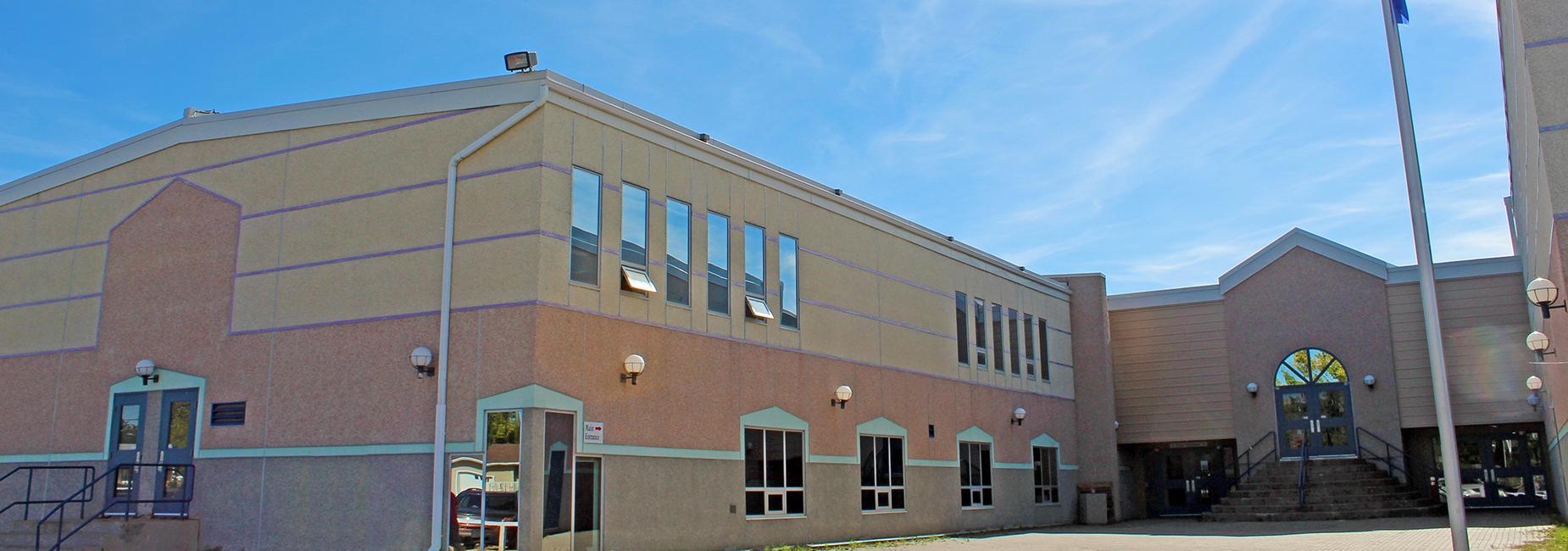
Northern Alberta Parents Demand Answers After School Threat Kept Under Wraps
Jun 12, 2026Frequently Asked Questions About Calgary Real Estate
- What is the average home price in Calgary?
As of August 2026, the average residential home price in Calgary varies by property type. Detached single-family homes typically range from $500,000 to $700,000, while semi-detached homes average $400,000 to $550,000. Townhouses and row homes range from $300,000 to $450,000, and condominiums average $200,000 to $350,000. Prices vary significantly by neighbourhood, with inner-city communities like Mount Royal, Elbow Park, and Britannia commanding premium prices, while newer suburban communities in the far north and south offer more affordable options.
- Is Calgary a good place to buy a home?
Calgary offers several advantages for homebuyers compared to other major Canadian cities. The city has significantly lower home prices than Toronto and Vancouver, no provincial sales tax, competitive property tax rates, and strong household incomes driven by the energy sector. Calgary consistently ranks among the most affordable major Canadian cities for housing relative to income. However, the market can be cyclical due to its ties to the oil and gas industry, so buyers should consider the economic outlook and their own job stability.
- What are the best neighbourhoods in Calgary to buy a home?
Calgary's best neighbourhoods depend on your priorities. For families, communities like Tuscany, Cougar Ridge, Cranston, and Mahogany offer newer homes, schools, and amenities. For urban living, the Beltline, Mission, Kensington, and Bridgeland provide walkability and culture. For established luxury, Mount Royal, Elbow Park, and Britannia are premium. For affordability, look at Forest Lawn, Marlborough, Falconridge, and newer far-north communities. For investment, areas along the Green Line LRT route may see appreciation as the project develops.
- How does Calgary's housing market compare to Toronto and Vancouver?
Calgary's housing market is significantly more affordable than Toronto and Vancouver. While a detached home in Toronto averages over $1.1 million and Vancouver over $1.8 million, Calgary's average detached home is around $600,000. Calgary also benefits from no provincial sales tax on purchases, lower property taxes relative to home values, and higher average household incomes. However, Calgary's market can be more volatile due to its energy-sector dependence, while Toronto and Vancouver tend to see steadier long-term appreciation.
- What are the closing costs when buying a home in Calgary?
When buying a home in Calgary, expect closing costs of approximately 1.5% to 4% of the purchase price. Key costs include: legal fees ($1,000-$2,000), land title transfer fee (based on property value), home inspection ($400-$600), property insurance, and potentially CMHC mortgage insurance if your down payment is less than 20%. Alberta does not charge a land transfer tax (unlike Ontario and BC), which is a significant saving. You'll also need to budget for property tax adjustments, utility deposits, and moving expenses.