


Alberta's government is moving forward with a significant shift in how the province delivers diagnostic testing, introducing legislation Monday that would dramatically expand private medical screening options for those willing to pay out of pocket.
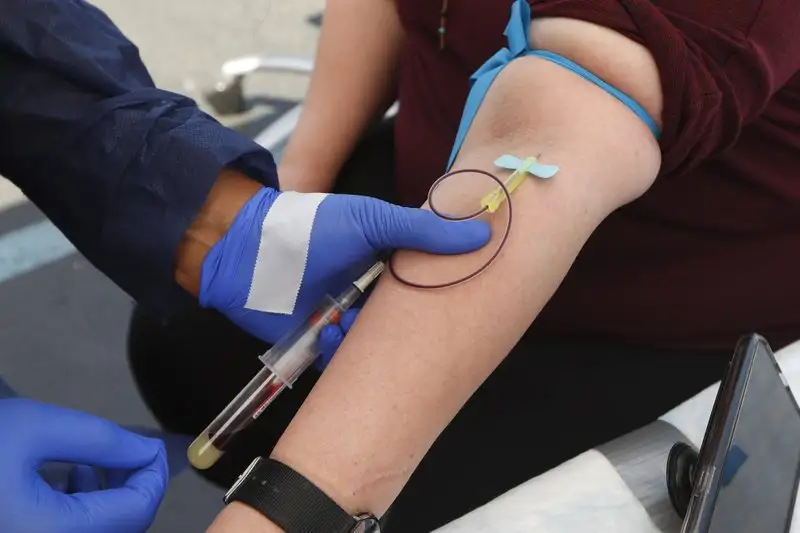
Primary Health Minister Adriana LaGrange unveiled Bill 29, the Health Statutes Amendment Act, 2026, which would create a pathway for Albertans to access medical tests — including CT scans, MRIs, bloodwork, and full-body screening — without requiring a referral from their doctor.
Addressing Alberta's Diagnostic Bottleneck
"This is about adding capacity, not replacing our public system," LaGrange told reporters Monday. "It's about giving Albertans more control over their health while maintaining the strong public health-care system that we all rely on."
The push comes as wait times for diagnostic testing continue to strain Alberta's health-care system. LaGrange emphasized that faster access to early detection often leads to simpler, more effective treatment and reduces pressure on publicly funded care.
"Early treatment is often less invasive and leads to better outcomes for patients," she said.
Details Still to Come
While the government has signalled its intent to expand private diagnostics, specifics remain scarce. LaGrange declined to identify which tests would be available first or how the province might reimburse costs if a privately purchased test uncovers a serious condition.
Premier Danielle Smith previously confirmed that the government plans to reimburse test costs if results identify a life-threatening illness, but regulatory details are expected in coming months.
"This includes MRIs, CT scans, full body scans, bloodwork — you name it," LaGrange said in an October video outlining the plan. "Health professionals and medical organizations will be free to offer these services privately, and supplemental health benefit plans will be able to insure them."
The province is banking on the expansion to attract private health professionals and investment to Alberta, though the rollout will likely begin modestly. LaGrange indicated the government may start with "just one or two things and then build on it."
What Comes Next
If passed, Bill 29 would allow regulations to fast-track certain diagnostic tests without physician oversight. The legislation marks the first formal step in what has been a closely watched policy initiative since its announcement last October.
The move reflects a broader trend in Canadian health care, where provinces are exploring private-public partnerships to ease diagnostic backlogs. Alberta's approach allows wealthy Albertans to jump the queue while theoretically protecting the publicly funded system's integrity.
This article originally reported by Global Calgary.