


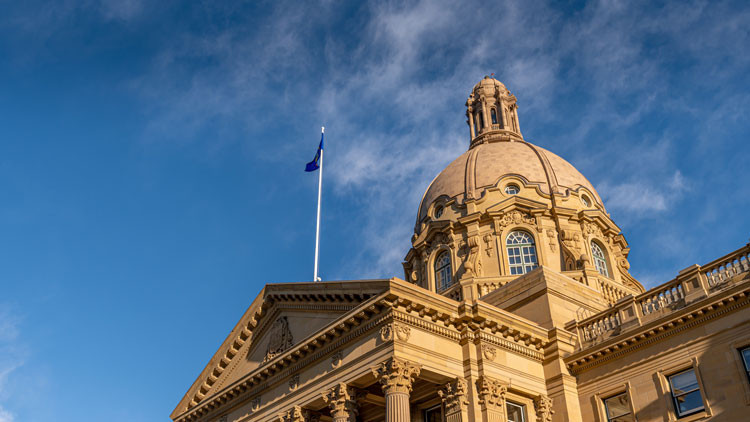
Alberta is facing a critical financial crossroads, and provincial leaders are increasingly sounding the alarm about where the real problem lies — not with insufficient tax revenue, but with government spending spiralling out of control.
As interest payments on provincial debt climb, officials warn that the province faces a troubling trade-off: money flowing toward debt servicing is money that cannot fund the healthcare system, education, or other essential public services that Albertans rely on daily.
The Debt Service Squeeze
The mathematics are stark. When Alberta allocates funds to pay interest on its accumulated debt, those dollars evaporate from the budget pool available for frontline services. Healthcare facilities struggle with capacity constraints. Schools contend with aging infrastructure. Yet the province continues writing cheques to service debt obligations that grew during periods of less disciplined spending.
This dynamic has become increasingly difficult to ignore as interest rates remain elevated and debt levels continue climbing. For every percentage point increase in rates, provincial budgets feel sharper pressure.
A Spending Problem, Not a Revenue Problem
Key Alberta voices argue the solution doesn't lie in raising taxes or pursuing aggressive new revenue streams. Instead, they contend the province must examine spending priorities and implement meaningful operational discipline across government departments.
The argument carries weight in a province that prides itself on lower tax rates relative to other Canadian provinces. Further tax increases could damage Alberta's competitive position and discourage investment and business growth — ultimately shrinking the revenue base further.
Every dollar that goes towards debt interest is a dollar unavailable for services such as health care and education.
What This Means for Albertans
For ordinary Calgarians and Albertans, this debate translates into tangible consequences. Health outcomes depend on adequately funded hospitals and clinics. Student success depends on properly resourced schools. Community safety depends on sufficient policing and emergency services.
If provincial budgets remain squeezed by debt servicing costs, those services face continued pressure — not because Albertans don't contribute enough in taxes, but because the government's spending portfolio lacks the discipline to prioritize essentials over obligations to creditors.
The provincial government faces mounting pressure to demonstrate fiscal responsibility through spending restraint rather than revenue expansion. Whether that translates into meaningful budget action remains to be seen as Alberta enters another fiscal planning cycle.
This article was adapted from reporting by Calgary Sun.