


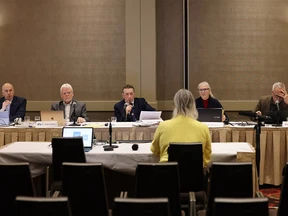
Alberta faces a critical moment in its democratic process as the United Conservative Party government moves to reshape how electoral boundaries are determined in the province.
The proposed changes would fundamentally alter the current system—one that has operated independently and transparently for three decades. Under the existing framework, an impartial commission hears from citizens, reviews data objectively, and delivers boundaries without partisan interference. It's a process that, while sometimes favouring rural voters, has earned respect for its fairness and public accountability.
A Cautionary Tale From South of the Border
Democracy watchers across North America are sounding alarms. The United States has witnessed the devastating effects of partisan redistricting, commonly known as gerrymandering. Texas redrew its boundaries specifically to secure additional Republican-friendly seats. California voters, frustrated by similar tactics, lined up for hours to ensure their state could control its own redistricting process to favour Democratic candidates. State after state has followed suit, prioritizing party advantage over fair representation.
The pattern is unmistakable: when governments gain control over boundary-drawing, they use it to entrench power.
What Happens When Power Changes Hands?
Alberta observers are asking an uncomfortable question: if the UCP establishes a system where the government controls boundary adjustments, what prevents a future administration from doing exactly the same thing?
Once a precedent is set, it becomes normalized. If today's government creates a committee of MLAs to redraw boundaries in its favour, tomorrow's opposition—should they win—will inherit a template for doing the identical thing. The cycle of partisan manipulation becomes institutionalized.
"This is not the Alberta way," community advocates argue. "We should adopt the boundaries commission report as delivered, because that's how we do things in this province."
The stakes extend beyond partisan politics. Electoral boundaries determine representation, voice, and whose concerns get heard in government. When boundaries are drawn to guarantee outcomes rather than reflect communities fairly, democracy itself is weakened.
Albertans have built a reputation for doing politics differently—with integrity and respect for institutions. The question now is whether the province will maintain that standard or follow the polarized path of jurisdictions to the south.
Originally reported by Edmonton Journal. WestNet News covers Alberta politics and provincial governance affecting Calgary and communities across the province.