


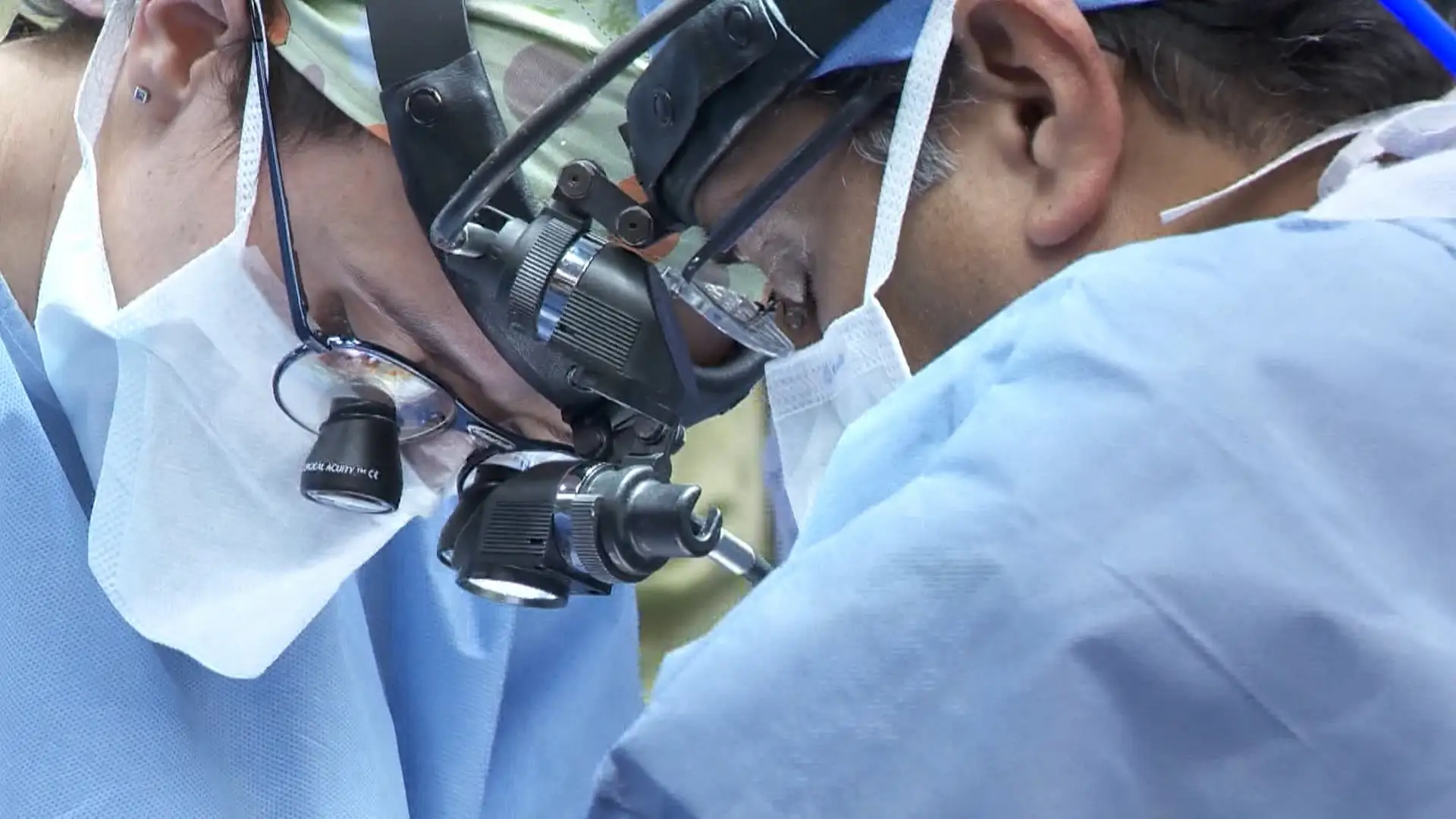
Alberta's health minister is banking on a bold experiment to tackle one of the province's most stubborn problems: crushing wait times for surgery. Starting this fall, the government plans to allow doctors to juggle work in both the public and private health care systems simultaneously—a move that could either unlock thousands of surgical slots or, critics warn, create a medical fast lane for those who can afford it.
Health Minister Adriana LaGrange announced the "dual practice model" Thursday, citing grim statistics: only 64 per cent of Albertans waiting for hip and knee replacements get their surgery within the recommended six-month window. The new system would open the door for procedures including orthopedic surgeries, cataract work, ear-nose-throat procedures, dermatology, plastic surgery, and gynecological operations.
The logic seems sound on paper—free up bottlenecks, increase capacity, help more people faster. But early evidence from other countries tells a different story, and Alberta researchers are already sounding the alarm.
What the Research Actually Shows
Babatope Adebiyii, a University of Calgary researcher, recently published findings in The Lancet examining how dual practice systems perform in real-world conditions. His team studied Ireland, Australia, the United Kingdom, Brazil, and Chile. The result? When doctors work in both systems, wait times shrink for private patients willing to pay out of pocket—but they balloon for those depending on public care.
"With every policy, it's always a good idea on paper. But when it comes to implementation, how do we implement dual policy?" Adebiyii said, highlighting the gap between theory and practice.
That's a legitimate concern for Alberta, where the government has yet to spell out critical implementation details. How many hours must doctors work in the public system before they're allowed to take private patients? What does the fee structure look like? How will surgeries be prioritized? None of these questions have been answered publicly.
Private Clinics Asking Hard Questions
Even private health operators want clarity before diving in. Francesca Sebastion, CEO of Acumen Health—a private sports medicine and orthopedic clinic operating across Alberta—emphasized the importance of getting the mechanics right.
"How we're going to be working with the public is of utmost importance," Sebastion said. "How are we going to rent operating room space in non-hospital facilities? How will surgeons moving between public and private systems affect patient access?"
These aren't theoretical concerns. They're the difference between a system that benefits everyone and one that stratifies care by income.
Opposition Warns of 'American-Style' Health Care
Alberta's NDP opposition has seized on the plan as a threat to the foundational principle of public health care—that treatment is based on medical need, not bank balance. They're calling the proposal a "two-tiered" system that imports the worst of American-style for-profit medicine into Alberta.
The NDP has demanded federal intervention, calling on Prime Minister Mark Carney and the federal Health Minister to enforce the Canada Health Act and block any implementation that violates its spirit.
Ottawa says it's reviewing Alberta's plans carefully and will ensure compliance with the Canada Health Act before giving final approval. But that review is still ongoing, and Alberta is moving ahead with its autumn launch timeline.
The Wait Times Crisis Is Real
Nobody disputes that Alberta has a problem. Surgical wait times have stretched painfully long, and patients are suffering. The government's instinct to find solutions is understandable. But rushing into a model that other countries have found problematic—without nailing down the safeguards—could create new problems while failing to solve the old ones.
Albertans will be watching closely to see what details emerge in the coming months. The devil, as always, will be in the fine print.
This story was originally reported by Global Calgary and has been adapted for WestNet News.