


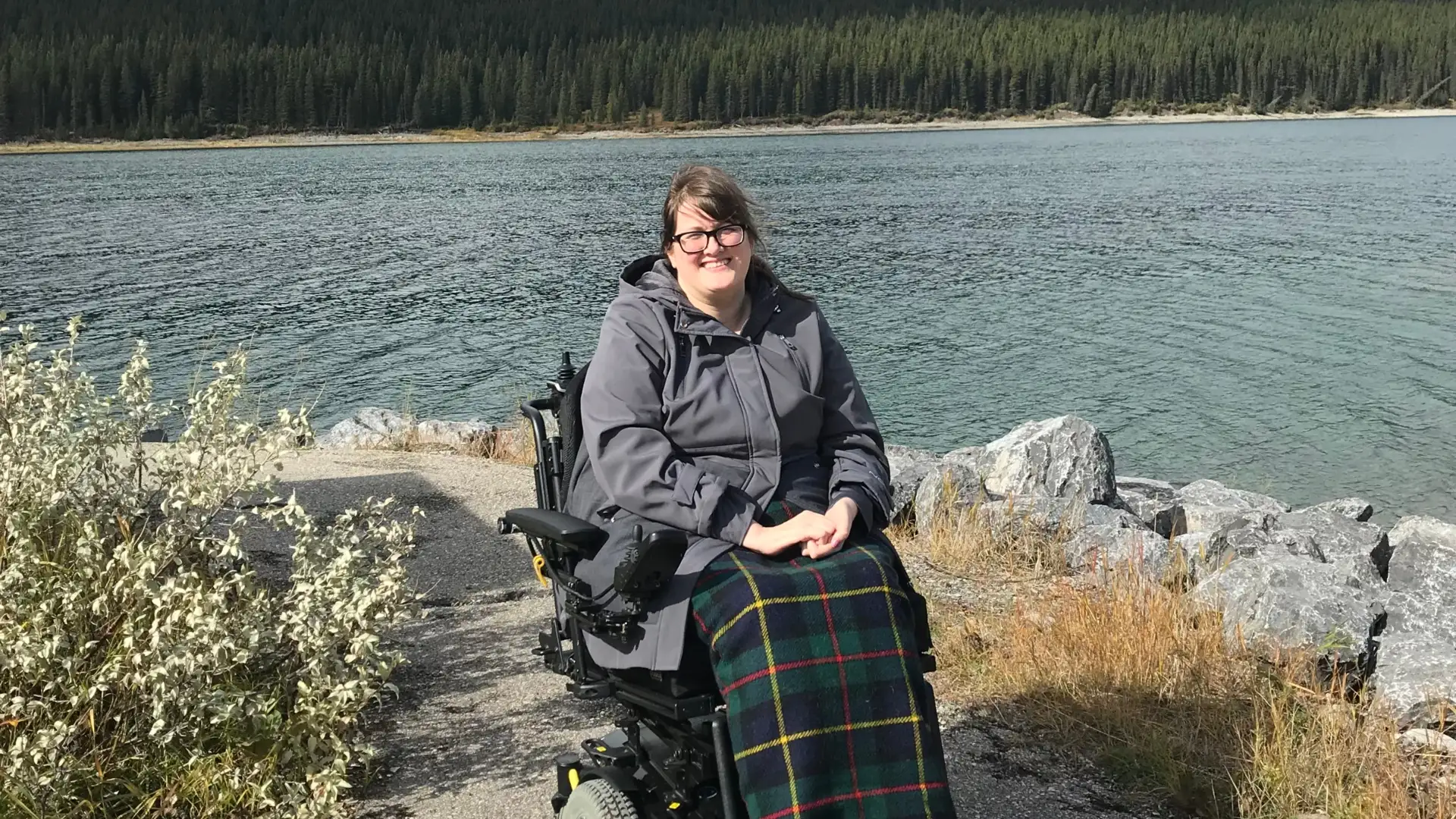
When Jessie Ravnsborg received her ALS diagnosis at 35 years old, she faced a future of progressive paralysis, eventual respiratory failure, and loss of physical independence. The Calgary woman made a deeply personal choice about how she wanted her life to end — and Alberta's proposed restrictions on medical assistance in dying (MAID) are now raising alarm bells among families and advocates who fear vulnerable patients will lose control over their final chapter.
Ravnsborg's story is one of clarity amid crisis. A promising young professional who had just earned her master's degree, she was preparing to volunteer in Sierra Leone when weakness began spreading through her body. Within nine days of arriving at Foothills Hospital's emergency department, doctors confirmed the devastating diagnosis: amyotrophic lateral sclerosis, commonly known as ALS.
A Disease That Steals Everything Except the Mind
ALS is a brutal neurodegenerative condition that systematically destroys motor neurons in the brain and spinal cord. Patients experience progressive paralysis while remaining fully conscious and aware — their minds trapped inside bodies that gradually shut down. There is no cure, no reversal, only decline.
"Within four months, she was not walking. Her diaphragm was weakening and she really didn't think she was gonna make it to Christmas of 2018," Ravnsborg's mother, Heather Lucier, explained in an interview about her daughter's situation.
Given her background — Ravnsborg had worked in the intensive care unit at Rocky View Hospital, and her mother spent her entire career in healthcare — the family understood the medical realities ahead. They had watched Ravnsborg's stepfather being kept alive by a ventilator, an experience that shaped her values.
A Difficult Conversation, A Clear Choice
Within hours of diagnosis, Ravnsborg had a frank conversation with her mother about what came next. Her position was unambiguous: quality of life meant meaningful engagement with people she loved. A ventilator, a tracheotomy, institutional care — none of that aligned with her values.
"Quality of life for me is meaningful engagement with people. I will not go on a ventilator. I won't be trached. And I will likely utilize medical assistance in dying when I deem appropriate."
Heather Lucier found herself in what she describes as a "paradox of pride and devastation" — proud of her daughter's clarity and self-determination, yet heartbroken by the circumstances forcing such a choice. Still, she honoured Jessie's autonomy and her right to make decisions about her own body and death.
Proposed Changes Threaten Patient Autonomy
Now, Alberta's plan to curb access to MAID has advocates for patients with ALS, Parkinson's disease, and other neurodegenerative conditions scrambling to push back. These proposed restrictions would limit options precisely for the people who need them most — those facing progressive, incurable illnesses with no path forward but decline.
Families like Lucier's worry that new barriers to MAID will force patients to endure suffering against their will, or to take matters into their own hands in ways that could put them at risk. For people living with terminal neurodegenerative disease, the right to choose when and how their life ends can represent the final shred of agency and dignity.
The conversation around MAID in Alberta is becoming increasingly urgent. As medical science has advanced, more people are living longer with incurable conditions — and many are asking for the right to choose a peaceful exit when quality of life becomes incompatible with their values.
A Question of Rights and Compassion
Advocates argue that restricting MAID access doesn't prevent suffering — it simply transfers that suffering from the person experiencing it to those around them. For someone watching their body fail while their mind remains sharp, forced continuation can feel less like care and more like cruelty.
The voices of families like Ravnsborg's deserve to be heard in Alberta's corridors of power. They're not asking for casual access to MAID; they're asking that patients facing terminal illness retain the fundamental right to make informed choices about their own bodies and deaths.
This article is based on reporting from Global Calgary. For more information on how proposed changes could affect your family, consider speaking with a healthcare provider or contacting patient advocacy groups focused on neurodegenerative diseases.