


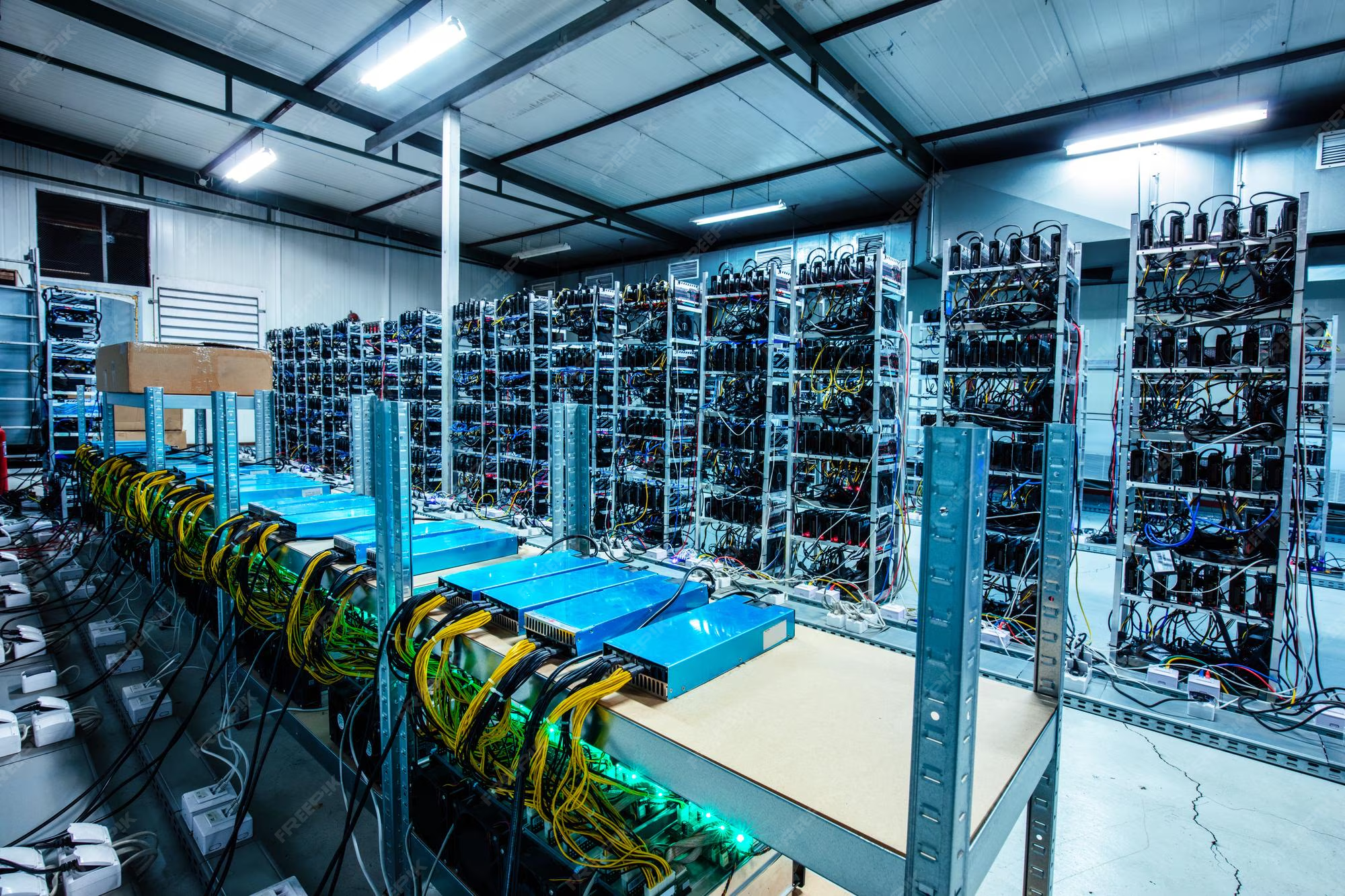
The cryptocurrency mining industry is undergoing a seismic transformation. Companies that staked their fortunes on Bitcoin are now racing to capitalize on the artificial intelligence boom, with projections showing AI could account for roughly 70 per cent of their combined revenue by December—up from just 30 per cent today.
The shift reveals stark economic realities. Bitcoin mining margins have cratered from above 90 per cent during the 2021 bull run to around 60 per cent today, according to Bloomberg Intelligence analysis. Meanwhile, AI cloud operations—where miners lease high-powered computing chips to technology firms—generate margins in the mid-80s.
The numbers tell a brutal story for traditionalists. Bitcoin's price has plummeted as much as 50 per cent from its October peak of roughly $126,000. But the real killer for miners isn't just crypto's weakness—it's electricity costs.
"This massive decline in Bitcoin's price, coupled with the fact that energy prices are going up, I think this is going to compel them to make that transition even faster," said Vasu Kasibhotla, senior industry analyst at Bloomberg Intelligence.
The economics are stunning. Electricity consumes roughly 40 per cent of mining revenue, pushing total costs into the low-to-mid 90 per cent range. For AI cloud operators, electricity costs represent only low single digits of their operating expenses.
This pivot didn't happen overnight. The transition began around three years ago as forward-thinking miners recognized the writing on the wall. Now, as AI infrastructure demand skyrockets—projected to be worth billions in revenue—the industry has found a lifeline.
For Alberta's energy sector and Calgary-based technology companies, this shift carries implications. High-performance computing operations require stable, affordable power supplies—something Alberta's grid and competitive electricity rates can provide. Whether local operators will capitalize on this trend remains to be seen, but the broader message is clear: the Bitcoin mining industry's future increasingly depends on serving the AI revolution, not the cryptocurrency that created it.
This article is based on reporting from Financial Post and Bloomberg Intelligence. Read the original Financial Post analysis here.