


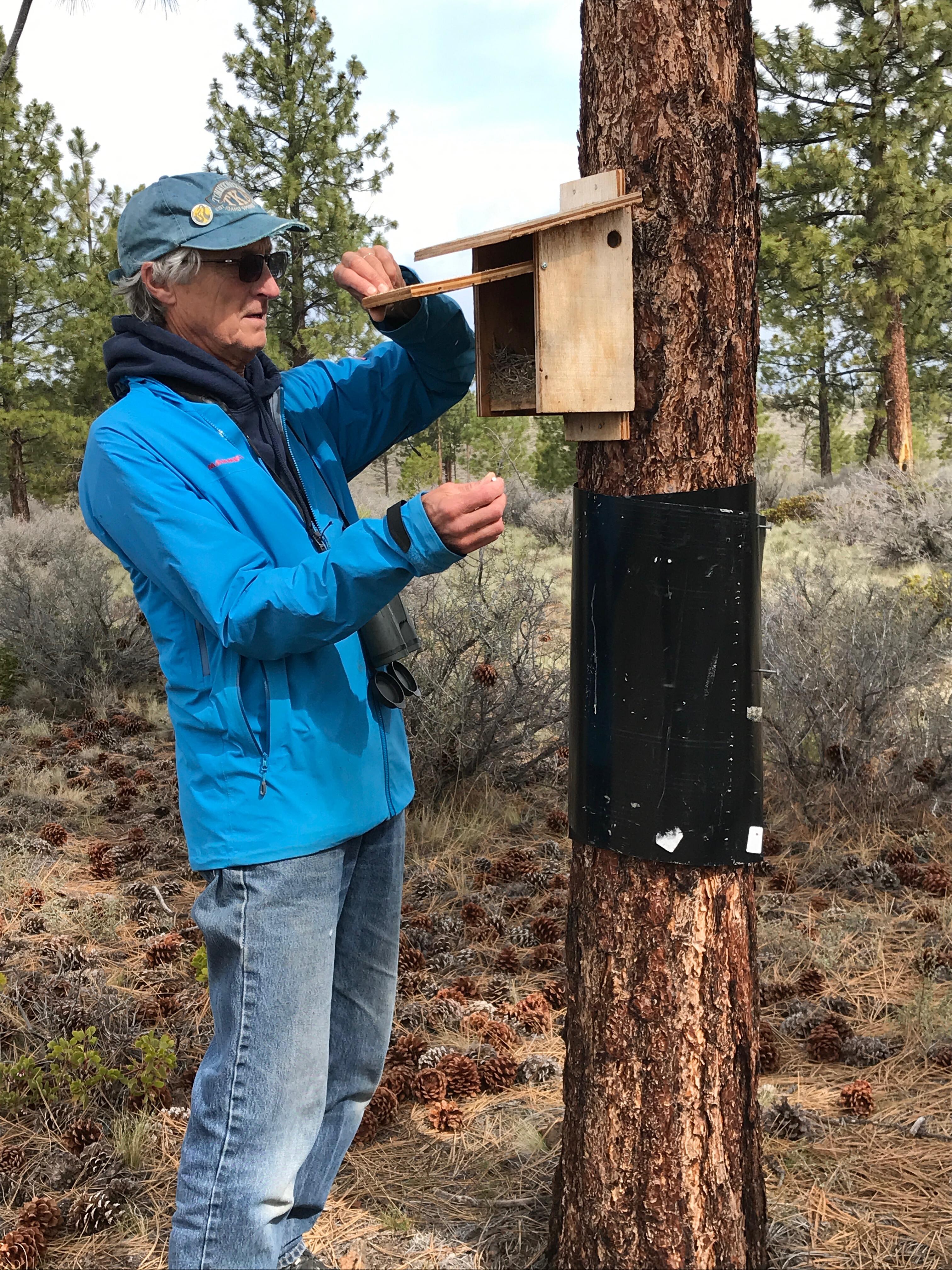
As temperatures warm and birds begin their annual nesting rituals, a dedicated group of Calgary volunteers is doing something most people never think about: giving our feathered neighbours a home renovation upgrade.
The Calgary Area NestBox Monitors Society is in the thick of spring maintenance season, systematically replacing worn-out bird boxes with fresh, properly designed models across the region. It's a hands-on conservation effort that's proving vital for multiple Alberta bird species struggling to find suitable nesting habitat.
Why Bird Boxes Matter More Than You'd Think
In an increasingly urbanized landscape, natural nesting cavities are disappearing fast. Dead trees get removed for safety reasons. Old barns and snags that once sheltered dozens of nesting pairs vanish during development. For cavity-nesting birds — species that depend on enclosed spaces to raise their young — this loss of habitat creates a genuine crisis.
"When you lose those dead trees and old structures, you lose generations of nesting sites," says a society volunteer coordinator. "Nestboxes aren't a replacement for natural habitat, but they're a critical bridge while we work to preserve what's left."
The society monitors hundreds of boxes scattered across Calgary and surrounding areas, tracking which species use them, fledgling success rates, and whether chicks survive to leave the nest. This citizen science generates real data that helps researchers understand local bird population trends.
Building Better Boxes: Design Matters
Not all bird boxes are created equal. The society uses carefully engineered designs tailored to specific species. A box for chickadees looks different from one built for flickers. Entrance hole size, interior dimensions, ventilation, and drainage all factor into whether birds will actually use a box — and whether their chicks will survive inside it.
This spring, volunteers are replacing boxes that have weathered seasons of rain, snow, and temperature swings. Some show signs of predator damage. Others have simply reached the end of their useful lifespan. Fresh boxes go up on utility poles, trees, and building exteriors throughout the region.
A Community Conservation Success Story
What's remarkable about the Calgary Area NestBox Monitors Society is how it transforms bird conservation from something distant and academic into tangible, visible action. Anyone in Calgary can spot these boxes. Residents report sightings. Kids learn that conservation happens in their own neighbourhoods, not just in remote wilderness.
The organization welcomes volunteers of all ages and experience levels. Whether you're interested in carpentry, data collection, or simply learning which birds live in your area, there's a role to fill. As nesting season accelerates through spring and into summer, the society's monitoring work becomes even more critical — tracking which boxes attract residents and when chicks fledge.
This story is based on reporting from CBC Tech. For the full original report, visit CBC News.