


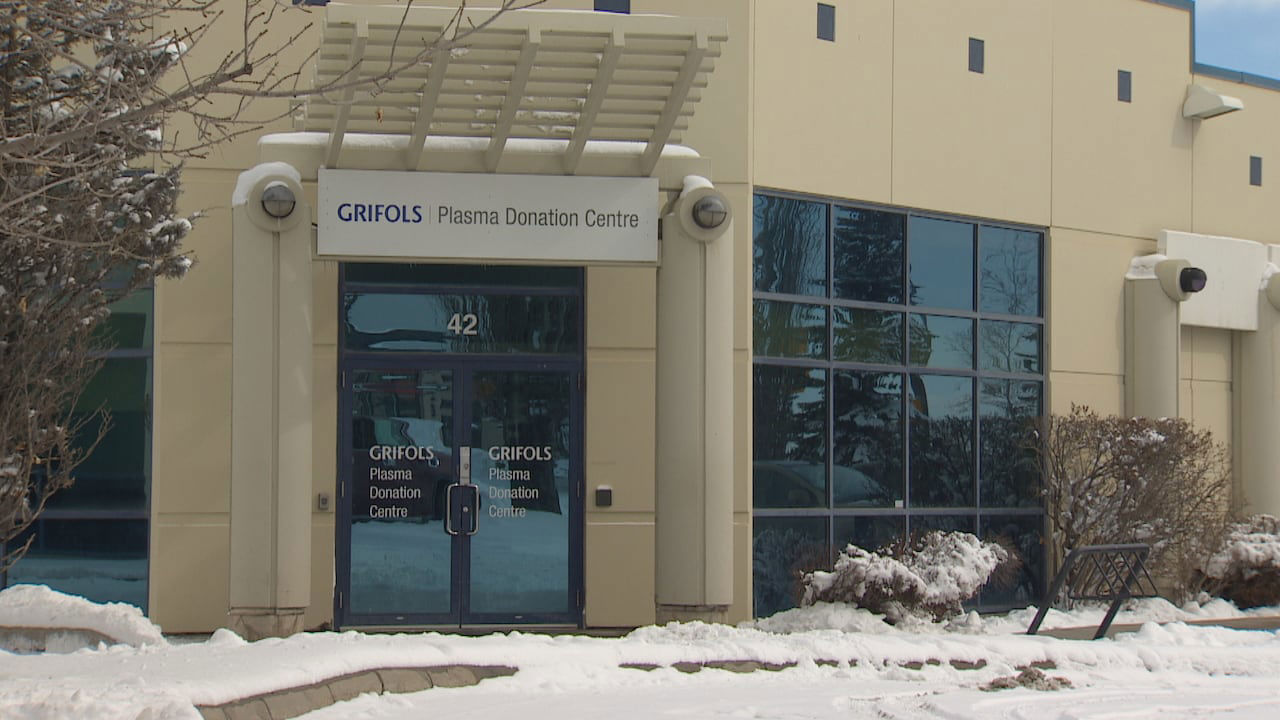
A for-profit plasma collection centre in northeast Calgary has been designated "non-compliant" by Health Canada following an inspection in December 2025, adding to growing scrutiny of private plasma operations across the country.
The Grifols facility on Sunridge Way N.E. was found to have violated multiple regulations governing Canada's blood supply, according to federal inspection documents obtained by CBC News. The findings come as the Spanish pharmaceutical company faces heightened attention following the deaths of two plasma donors at its Winnipeg locations — deaths that Health Canada says are under review, though no link has been established between the donation process and the fatalities.
What Inspectors Found
The December 2025 inspection of the Calgary location uncovered a range of deficiencies, including failures to accurately assess donor eligibility, failure to collect blood in accordance with the centre's Health Canada authorization, and insufficient investigation of errors and accidents.
Inspectors also documented problems with corrective and preventative action protocols, gaps in complaint monitoring and management, insufficient staff training and evaluation, and issues with the calibration, cleaning, and maintenance of critical equipment. Some operating procedures were not consistently followed, and records were found to be incomplete or inaccurate in certain instances.
Grifols told CBC News it is working "swiftly" to address the cited concerns.
Medical Experts Sound Alarm
Dr. Bryan Tordon, a Calgary-based transfusion medicine specialist, said the findings raise concerns that go beyond the clinic itself.
"The findings do raise some concern about not just the donor safety but the end products that could result from these collections as well," said Tordon. "If there were errors or gaps at that time, then it can affect both donor safety and, again, the integrity of anything that is created from that donation."
His primary concern centres on the donor assessment failures — a foundational step in ensuring both the safety of the individual giving plasma and the quality of the plasma-derived medications produced from it.
Plasma is separated from blood and used to manufacture treatments for immune deficiencies, autoimmune diseases, and a range of other serious medical conditions. Ensuring that donors are properly screened and that collection protocols are rigorously followed is considered critical to the safety of the resulting products.
Health Canada: No Critical Findings, Site Remains Open
Despite the non-compliant designation, Health Canada said none of the observations at the Calgary Grifols location were classified as "critical."
"Based on the information that Health Canada has received and reviewed, the integrity of the blood components that were drawn by Grifols' site in Calgary are not compromised, and the site is permitted to remain open," a Health Canada spokesperson said in a written statement.
The agency noted that three deaths following plasma donation have been reported nationally over the past decade, and that the review of the Manitoba deaths is ongoing.
Broader Questions About Paid Plasma
The Calgary findings are part of a wider pattern. Federal inspection records indicate that compliance problems have been documented at several Grifols locations across Canada. The Alberta government has stated it has no plans to ban paid plasma centres, even as advocates and medical professionals question whether the for-profit model creates pressures that can compromise donor safety and product quality.
Critics of commercial plasma collection have long argued that paying donors can incentivise individuals to conceal health conditions that could disqualify them from donating — a concern that makes accurate donor assessment all the more critical.
The debate over paid plasma collection in Canada continues, with no federal legislative changes currently proposed.
Source: CBC Health. Additional reporting by WestNet News Staff.