


A Texas summer camp director acknowledged Monday that he missed critical flood warnings the night before a catastrophic deluge killed 27 people, mostly children, in testimony that painted a picture of preventable tragedy and institutional failure.
Edward Eastland, director of Camp Mystic, told a packed courtroom in Austin that he went to bed around 11 p.m. on July 3, 2025, and slept through both a National Weather Service flash flood warning issued at 1:14 a.m. and a CodeRED mobile alert warning of flooding that could last several hours. The camp sat directly in the path of rising waters along the Guadalupe River.
"I wish we never had camp that summer," Eastland said during emotional testimony, acknowledging that lives could have been saved had camp leadership acted faster. However, he insisted the severity of the storm could not have been anticipated.
A Camp Unprepared for Disaster
The details revealed during the civil lawsuit hearing exposed gaps in camp safety protocols that shocked families of the 25 girls aged 8 to 10, two teenage counsellors, and Eastland's own father—the camp's co-owner Richard Eastland—who all died in the July 4 flooding.
Eastland acknowledged that Camp Mystic had no detailed written flood evacuation plan. He also conceded that more children would likely have survived had he, his father, and the camp's safety director made faster evacuation decisions.
The camp's leadership, Eastland testified, relied on a CodeRED phone alert system and basic weather apps, believing these were sufficient warning mechanisms. He said he did not see flood watch posts issued by the National Weather Service and the Texas Department of Emergency Management on July 2 and 3.
"You were warned," attorney Brad Beckworth told Eastland during cross-examination, representing the family of eight-year-old Cile Steward, whose daughter remains the only victim still missing.
Questions About Leadership and Accountability
Cici Steward, Cile's mother, told reporters after Eastland's testimony that the state should revoke Camp Mystic's operating licence.
"It is so clear they are incapable of keeping children safe," she said.
The National Weather Service had issued explicit warnings on July 3 asking broadcasters to alert the public that heavy rainfall could trigger flash flooding in rivers, creeks, streams, and low-lying areas—characteristics that directly applied to Camp Mystic's location.
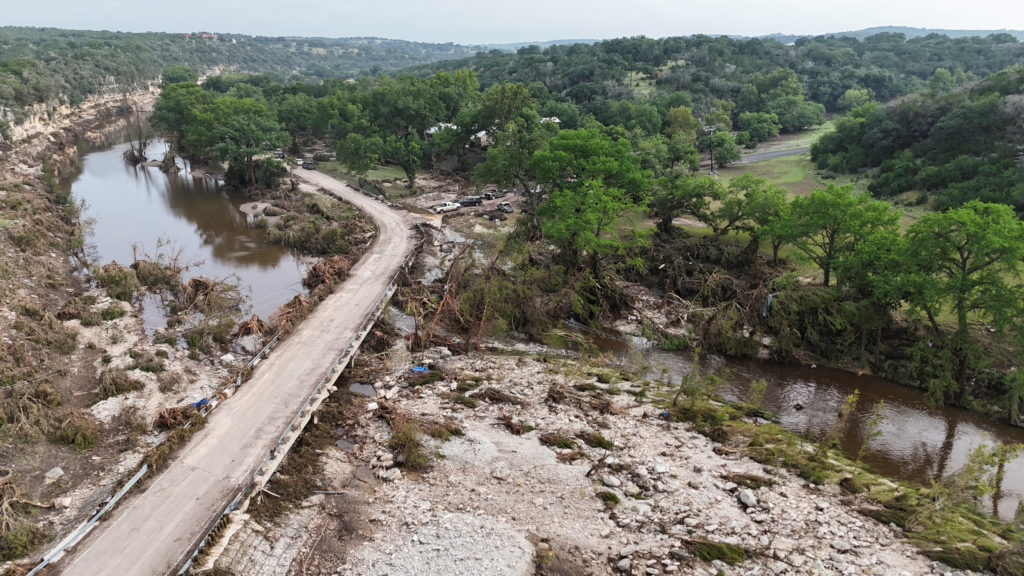
The flash flooding that swept through the region on July 4 proved catastrophic far beyond the camp. At least 136 people died across a several-kilometre stretch of the Guadalupe River in Texas, making it one of the deadliest flood events in recent state history.
Eastland's testimony marked the most detailed account yet of how the camp's leadership failed to respond to mounting danger despite having access to multiple warning systems. The case continues to raise troubling questions about institutional responsibility and the protection of vulnerable young people in the care of summer camps across North America.
This story is based on reporting from CBC World and The Associated Press.