


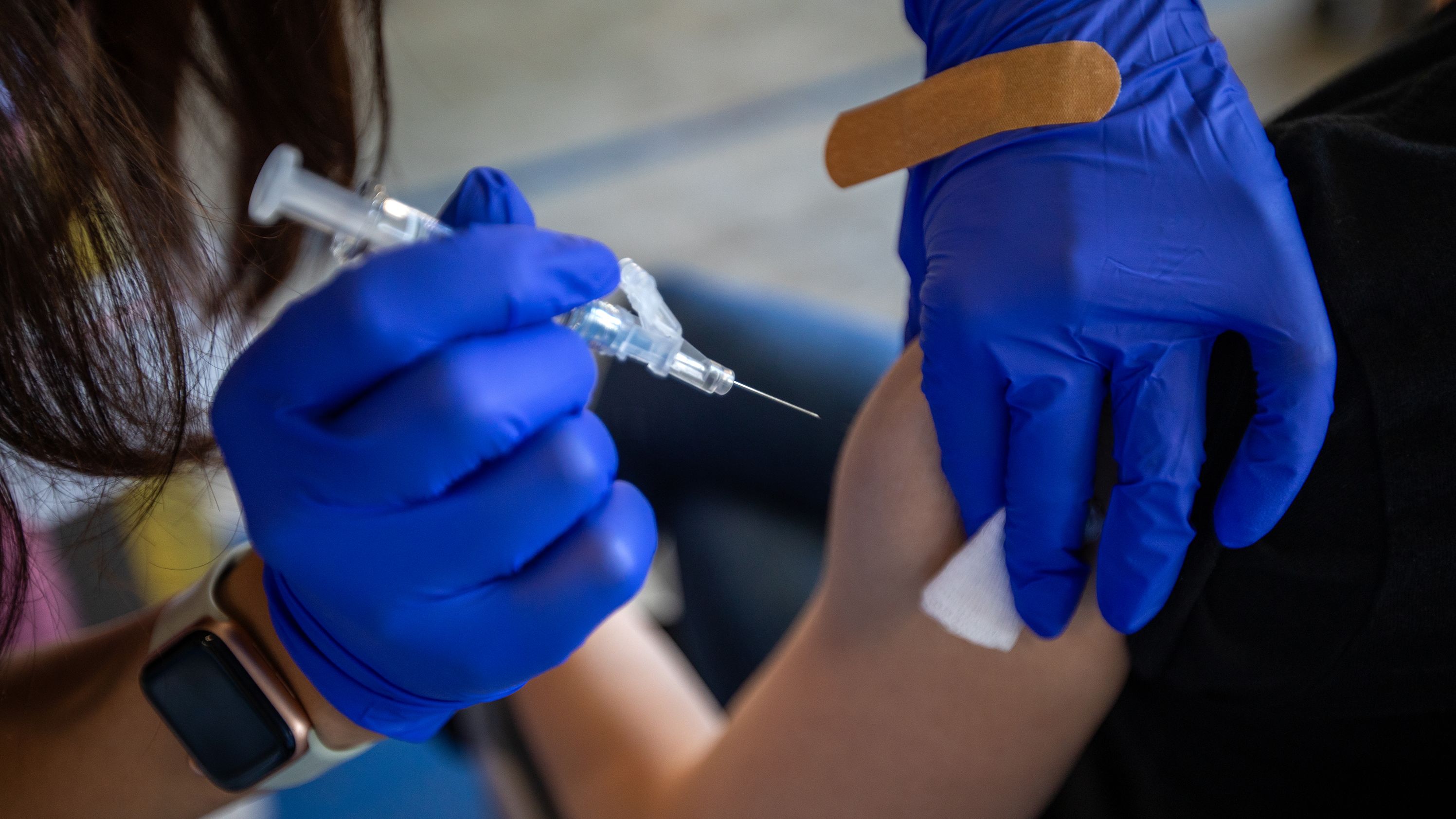
Public health officials across Alberta are partnering with Islamic leaders to address ongoing vaccine hesitancy within Muslim communities, as concerns about religious compliance and ingredient transparency continue to impact vaccination rates more than five years after the pandemic began.
Dr. Sarah Chen, Alberta Health's director of community outreach, said vaccine hesitancy remains higher in some Muslim communities compared to the provincial average, citing concerns about halal compliance and questions about pharmaceutical ingredients as primary factors.
"We're seeing thoughtful questions from community members who want to ensure their religious observance aligns with their health decisions," Chen said during a community health forum in Calgary last week. "This isn't about rejecting science—it's about seeking clarity on religious compatibility."
Imam Abdullah Rahman of the Calgary Islamic Centre has been working directly with health officials to provide religiously-informed guidance to his congregation. Rahman emphasized that Islamic scholars have widely affirmed that vaccines are permissible under Islamic law, even when they contain ingredients that would normally be prohibited.
"The principle of preserving life takes precedence in Islamic jurisprudence," Rahman explained. "When faced with a choice between potential harm from avoiding vaccination and taking a life-saving measure, our faith clearly guides us toward protection of health and community."
"We're not anti-vaccine, but we need transparency about what we're putting in our bodies and assurance that our religious values are respected in the process."
Fatima Al-Zahra, a Calgary mother of three who initially delayed vaccination, represents many community members who sought additional religious guidance before proceeding. "We're not anti-vaccine, but we need transparency about what we're putting in our bodies and assurance that our religious values are respected in the process," she said.
The hesitancy has prompted innovative community-based approaches. The Muslim Association of Calgary has hosted information sessions featuring both medical professionals and Islamic scholars, creating space for religious and scientific questions to be addressed simultaneously.
Dr. Ahmed Hassan, a family physician practising in northeast Calgary, noted that building trust requires acknowledging legitimate religious concerns rather than dismissing them. "When we take time to explain how vaccines align with Islamic principles of community care and harm prevention, we see much higher acceptance rates," Hassan said.
Provincial health data indicates that vaccination rates in areas with significant Muslim populations have improved substantially since 2024, following targeted community engagement efforts. However, officials acknowledge that maintaining open dialogue remains essential for addressing emerging health challenges.
The collaborative approach has extended beyond COVID-19 vaccines to include broader health education initiatives. Community centres are now regularly hosting health information sessions that incorporate religious perspectives alongside medical guidance.
Religious leaders across different Muslim communities in Alberta have issued joint statements supporting vaccination while acknowledging the importance of addressing community concerns with sensitivity and respect for religious observance.