


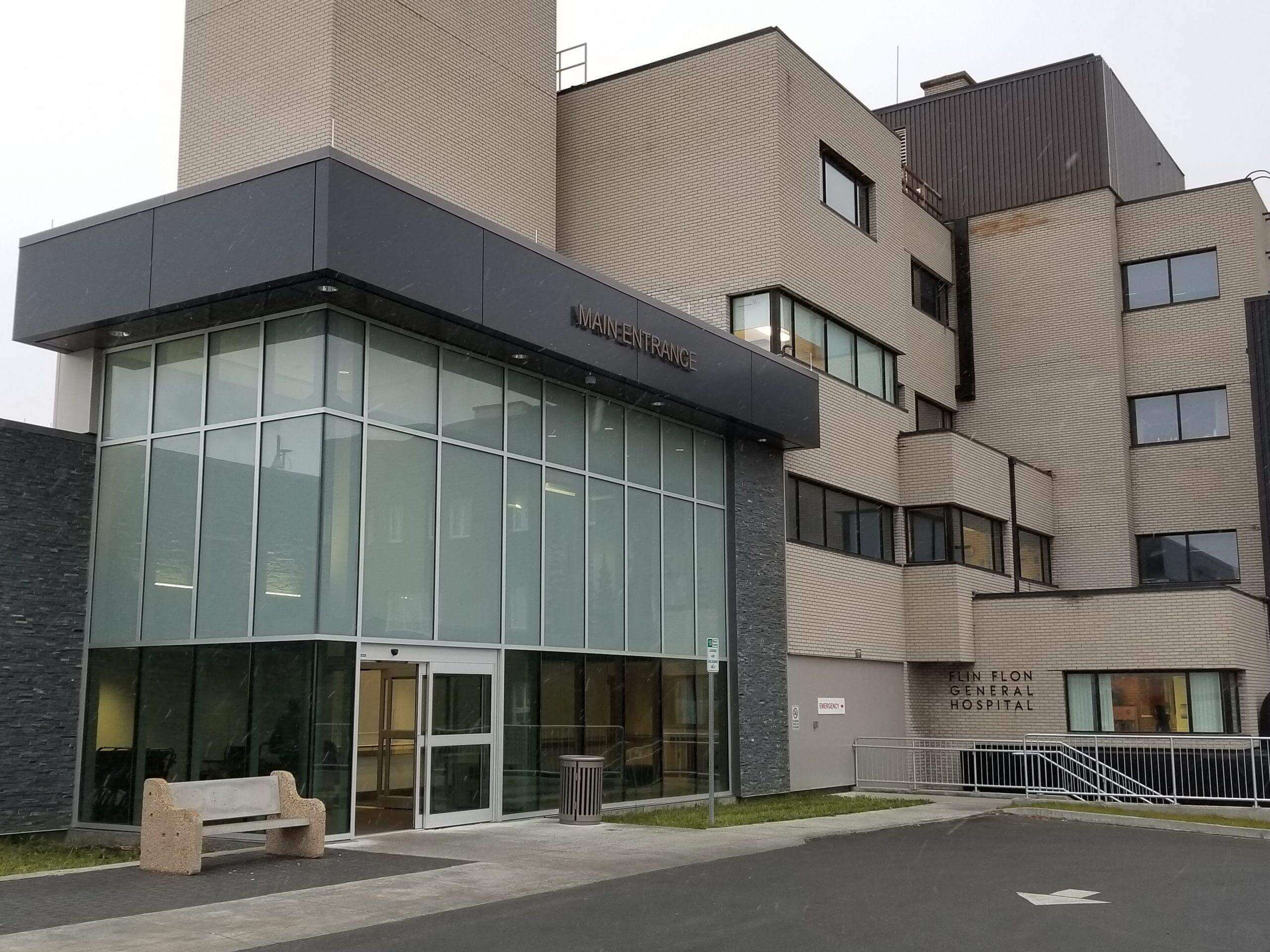
For Maureen McBratney, the nearest hospital is a 20-minute drive from her home in Denare Beach, Saskatchewan. But when her kidneys failed in June 2023, provincial borders turned that short trip into an eight-month ordeal — one that forced her and her husband to relocate to Saskatoon just so she could receive dialysis treatment.
McBratney's story has become a rallying point for a newly formed cross-border health committee in the Flin Flon region, where residents on both sides of the Manitoba-Saskatchewan boundary are demanding an end to the jurisdictional red tape that has long complicated access to care.
A Hospital That Serves Two Provinces — With Only One Province's Rules
Flin Flon General Hospital sits in Manitoba, but it has historically served as the regional health hub for communities on both sides of the border, including Creighton, Denare Beach, and the Peter Ballantyne Cree Nation in northeastern Saskatchewan.
The problem, residents say, is that over the years the system has quietly tightened, leaving Saskatchewan patients unable to access the same level of care as their Manitoba neighbours — even when they live just down the road.
The hospital often lacks access to Saskatchewan patients' medical records, forcing many to carry their own health data to appointments. In some cases, care has been denied outright based on provincial residency.
That is precisely what happened to McBratney. After her kidneys failed and she was stabilised in Saskatoon, she was told she could not receive dialysis at Flin Flon General — despite it being her closest facility — because she was a Saskatchewan resident.
"I was ready for actual discharge to come home and was told, unfortunately, I was not allowed to get dialysis at the Flin Flon General Hospital because I was a Saskatchewan resident and it's in Manitoba, which is literally a 20-minute drive from my home," she said.
McBratney and her husband uprooted their lives for eight months while family and community members lobbied Manitoba and Saskatchewan health officials. Eventually, the Flin Flon hospital was jointly recognised by the Saskatchewan Health Authority and Manitoba's Northern Health Region as a Saskatchewan satellite site — allowing McBratney to finally come home in February 2024.
A New Committee Takes Aim at the Bureaucracy
Determined to prevent others from facing the same struggle, residents and local officials from Flin Flon, Creighton, Denare Beach, and the Peter Ballantyne Cree Nation announced a seven-member health committee earlier this month.
The committee's goals include recruiting more health-care staff to the region, securing a CT scanner for Flin Flon General, and restoring birthing services that were cut in 2018 due to chronic staffing shortages. Improving access for Saskatchewan residents sits at the core of the committee's mandate.
Committee chair Dan Hlady, a member of Creighton's town council, says the deterioration in cross-border access has been gradual but significant. When he moved to Creighton in 2007, Saskatchewan residents could access Flin Flon's hospital with few complications. Nearly two decades later, the door has largely closed.
"The Manitoba side accepted us as a region, and over the years it progressed to, 'no, it's out of your territory. No, it's not our jurisdiction,'" Hlady said.
A Familiar Pattern Across Rural Canada
The situation in Flin Flon reflects a broader challenge facing rural and remote Canadians, where geography, provincial boundaries, and underfunded health systems collide to leave vulnerable people without timely care. For patients in northern and remote communities, the consequences of bureaucratic failure are not inconvenient — they are life-altering.
Health advocates across the country have long argued that the current patchwork of provincial health systems creates dangerous gaps, particularly for Indigenous communities and those living far from urban centres.
The Flin Flon committee has not yet announced a timeline for its recommendations, but members say they intend to engage directly with both provincial governments to push for structural change.
Source: CBC Health. Original reporting by Eric Westhaver. This article was rewritten for WestNet News.