


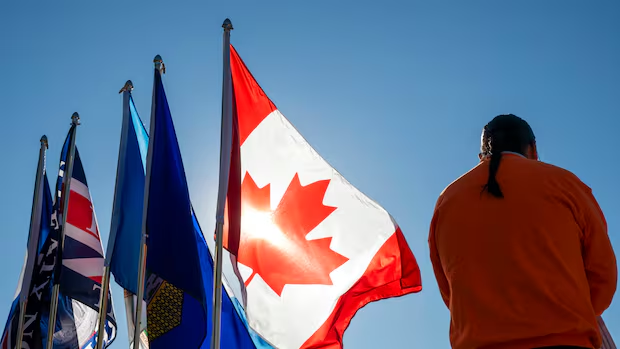
Edmonton is taking concrete steps to honour its commitment to Indigenous reconciliation, moving beyond symbolic gestures to implement meaningful changes that reflect the 94 calls to action outlined in the 2015 Truth and Reconciliation Commission report.
As home to Canada's second-largest urban Indigenous population, Alberta's capital has positioned itself as a leader in reconciliation efforts. The City of Edmonton has identified 28 specific commitments that directly respond to or were inspired by the TRC's recommendations, spanning child welfare, language and culture, justice, employment, health and professional development.
Sacred Spaces and Spiritual Healing
One of the city's most visible achievements came in fall 2023 with the opening of kihcihkaw askî—Sacred Land at Whitemud Park. This dedicated outdoor space provides Indigenous communities with a natural setting within the urban landscape where spiritual ceremonies, sweat lodges, cultural camps and talking circles can take place. The site also supports medicinal herb cultivation and intergenerational learning opportunities.
"It's a gift from Mother Earth," said the individual behind the site's development, highlighting the spiritual significance of the initiative.
Employee Training and Institutional Change
City Councillor Aaron Paquette, a Métis artist in his third term, emphasized the importance of Indigenous awareness training for all municipal employees. This initiative directly addresses Call 57 of the TRC report, which calls for professional development and training for public servants.
As of 2025, over 9,200 City of Edmonton employees—approximately 65 per cent of the workforce—have completed the training. Sessions, conducted with an elder present, cover residential school history, the Indian Act and the systemic circumstances that shaped present-day Indigenous communities.
"There was a theft of culture. There was a theft of identity, there was a theft of peace and well-being and there was a theft of the family unit from the federal government," Paquette said, describing the intergenerational impact of colonial policies.
Paquette stressed that the training is not about assigning blame for historical wrongs, but rather about building shared understanding and collective responsibility moving forward. "No one here is to blame for what happened, but we all carry a responsibility for how we move forward," he noted.
Renaming Wards: Honouring Indigenous Nations
In 2020, Edmonton approved a plan to replace its numerical ward designations with Indigenous names. A 17-member committee of women representing Anishinaabe, Blackfoot, Cree, Dene, Inuit, Iroquois, Métis and Sioux nations provided recommendations for the new ward names.
Janice Makokis, an assistant law professor at the University of Windsor and member of Saddle Lake Cree Nation, called the ward renaming a progressive step and meaningful act of reconciliation.
Edmonton's multi-faceted approach demonstrates that reconciliation requires both symbolic recognition and tangible institutional change. As the city continues implementing its 28 commitments, residents and Indigenous leaders say the work is far from complete—but the direction is clear.
This article is based on reporting from CBC Edmonton. Original story published September 30, 2026.