


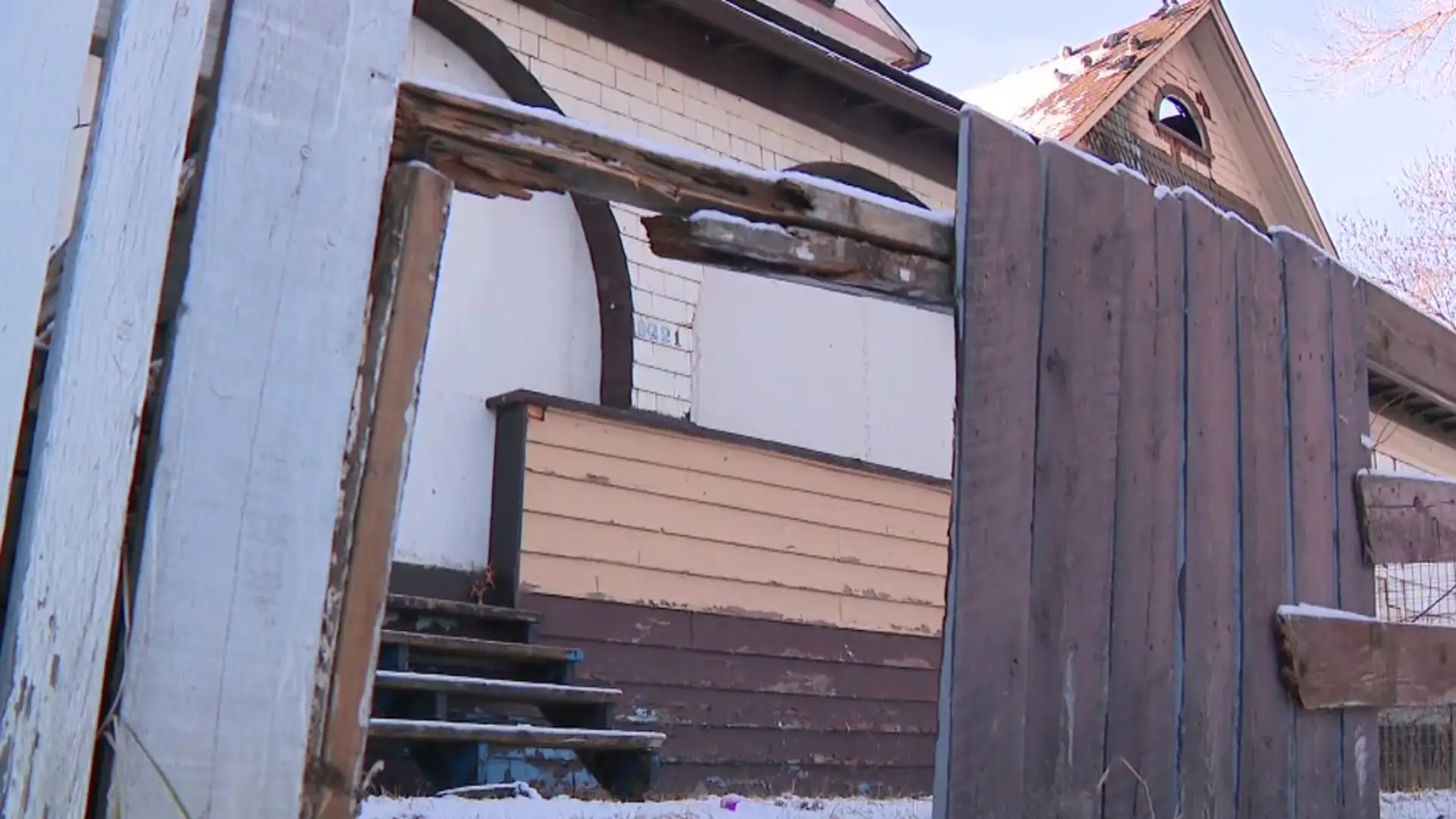
Community leaders in Edmonton's Alberta Avenue neighbourhood are celebrating a significant victory after city council unanimously approved a new approach to dealing with abandoned commercial properties that have plagued the area for decades.
The decision, passed Thursday by a city committee, will establish a "non-residential derelict tax subclass" that could see property owners facing increased assessments on vacant, rundown businesses as early as 2026.
"We had been told 21 years ago it wasn't possible and we actually know now it is possible," said Christy Morin, executive director for Arts on the Ave, who has been advocating for action on deteriorating properties throughout her tenure.
The motion, brought forward by Ward Métis Councillor Ashley Salvador, also directs city administration to develop options for addressing vacancy in developable properties across Edmonton.
Safety Concerns Drive Policy Change
Morin highlighted the serious safety and social issues created by derelict commercial buildings, noting they attract criminal activity and pose fire hazards to surrounding communities.
Standing on 111th Avenue between 93rd and 94th Street on Friday, Morin pointed to half a dozen boarded-up businesses sitting vacant along a single block.
"When I look at these buildings, I actually feel really sad," Morin said. "Two years is a flash in the pan. We've been doing this for 21 years and others than have gone before us have been trying earlier, so this is one link in the armour that we really, really needed."
Residential Success Story Provides Blueprint
Allan Bolstad, civics director for the Alberta Avenue Community League, said Edmonton's existing residential derelict tax has already demonstrated positive results in neighbourhood revitalization efforts.
"There's some owners that have taken the steps to either fix their places up or knock them down," Bolstad explained. "The city's come in and boarded up all sorts of houses that have been identified as problem properties, vacant properties. That's helped clean things up."
Bolstad advocates for an even more aggressive municipal approach to dealing with abandoned properties, viewing the new commercial tax subclass as an important first step toward comprehensive neighbourhood renewal.
"That's really held the neighbourhood back and we'd like to see that change," he said.
The new policy framework will give property owners a two-year window to determine how to address their derelict commercial buildings before facing potential tax increases.
This story is based on reporting by Sarah Mitchell of Global News.