


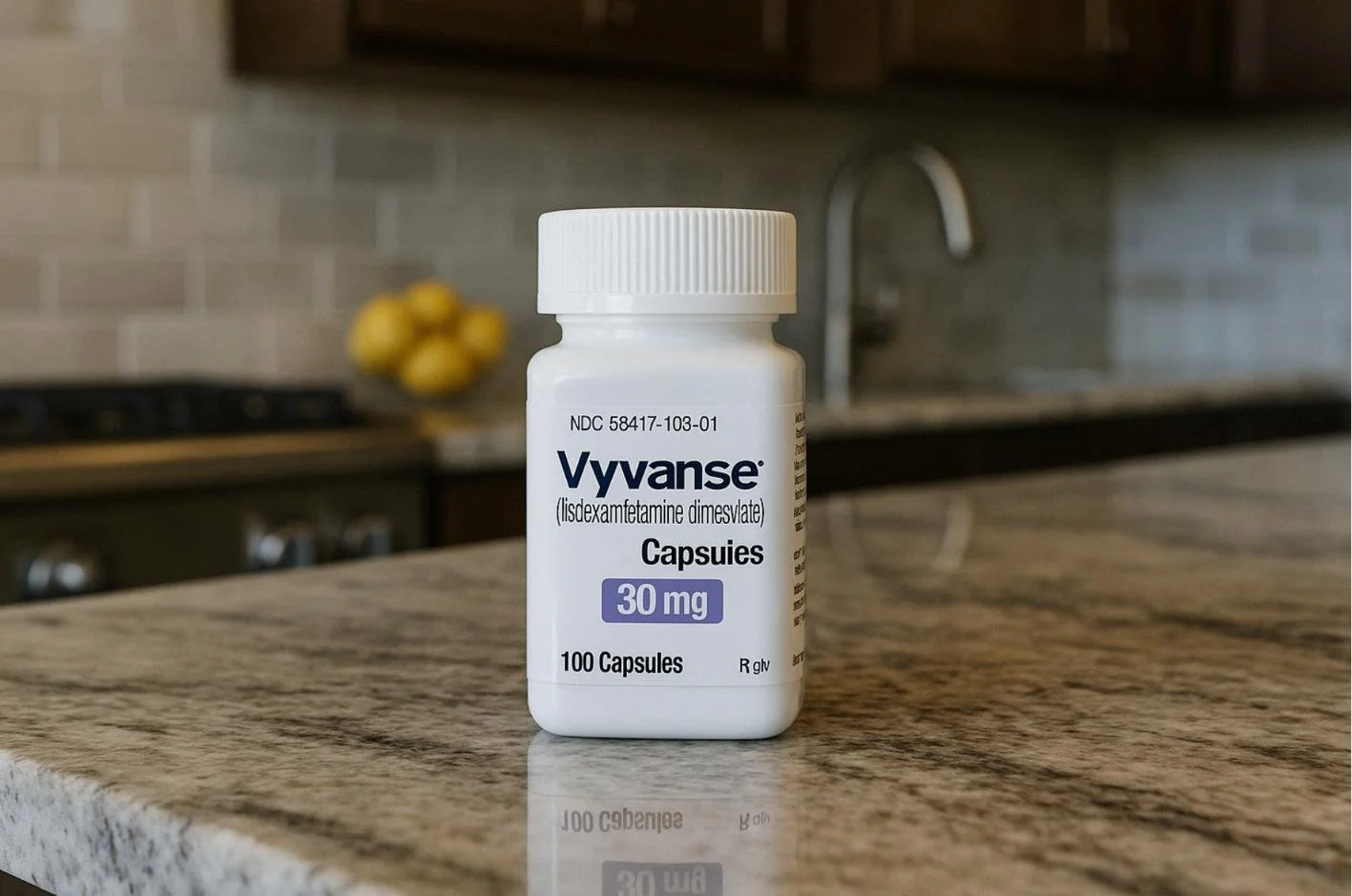
Medical professionals across Canada are expressing growing concern over the dramatic surge in Vyvanse prescriptions for children, with new data revealing a 340 per cent increase in pediatric usage over the past decade.
The amphetamine-based medication, primarily prescribed for attention deficit hyperactivity disorder (ADHD), has seen unprecedented growth in Canadian pediatric populations, raising questions about diagnostic practices and long-term health implications for young patients.
Dr. Sarah Mitchell, a Calgary-based pediatric psychiatrist, told WestNet News that the rapid increase in prescriptions represents a troubling trend in childhood mental health treatment.
"We're seeing children as young as four years old being prescribed powerful stimulant medications without comprehensive assessments," Mitchell said. "The rush to medicate rather than explore behavioural interventions and family-centred approaches is deeply concerning."
Health Canada data shows that Vyvanse prescriptions for children under 12 have tripled since 2020, with Alberta leading provincial statistics at 47 prescriptions per 1,000 children. The medication, manufactured by Takeda Pharmaceuticals, generated over $2.8 billion in Canadian revenue last year.
Critics argue that pharmaceutical marketing and inadequate diagnostic protocols have contributed to over-prescribing. Dr. Michael Chen, a family physician in Edmonton, noted that many children receiving Vyvanse have never undergone comprehensive psychological testing.
"We're medicating normal childhood behaviour and calling it treatment," Chen explained. "The long-term neurological effects on developing brains remain largely unknown, yet we're experimenting on an entire generation."
Several medical associations have called for stricter prescribing guidelines, emphasizing the need for thorough psychiatric evaluations before initiating stimulant therapy. The Canadian Pediatric Society recently issued recommendations requiring multi-disciplinary assessments and six-month monitoring protocols.
Parents report mixed experiences with the medication, with some citing improved focus and academic performance, while others describe concerning side effects including appetite suppression, sleep disturbances, and mood changes in their children.
"My eight-year-old lost 15 pounds in three months and stopped sleeping through the night," said Calgary mother Lisa Rodriguez. "When I raised concerns, the psychiatrist simply adjusted the dosage rather than considering alternatives."
The controversy extends beyond individual cases, with healthcare advocates questioning the broader medicalization of childhood behavioural challenges. Faith-based counselling services and community support programs report increased demand from families seeking non-pharmaceutical interventions.
Industry representatives defend current prescribing practices, citing clinical trials demonstrating efficacy in treating ADHD symptoms. However, critics note that most studies focus on short-term outcomes rather than long-term developmental impacts on pediatric patients.
The debate continues as provincial health authorities review prescribing guidelines and consider implementing additional oversight measures for stimulant medications in children under 12.