


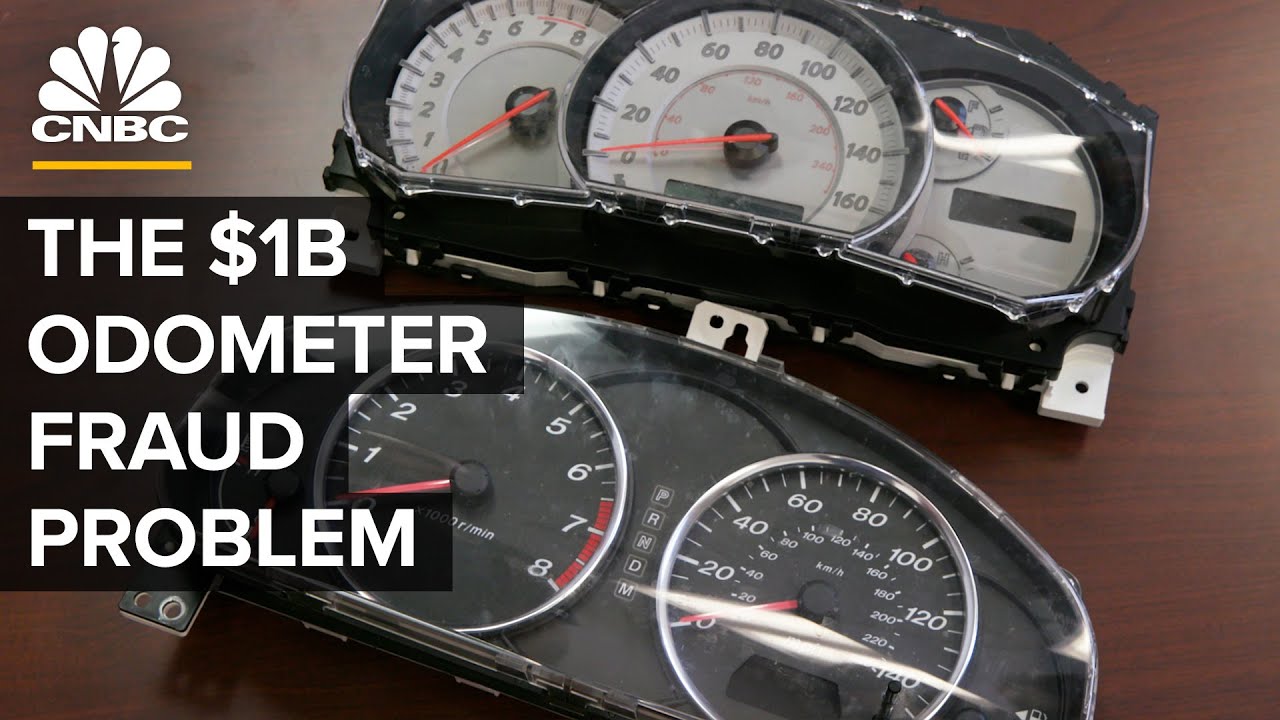
Canadian car buyers are losing an estimated $1 billion annually to odometer fraud, according to a comprehensive study released by the Canadian Automobile Association (CAA) and Transport Canada.
The fraud, which involves illegally rolling back a vehicle's odometer to show fewer kilometres than actually driven, affects approximately 450,000 used car transactions each year across the country. The average financial loss per victim ranges from $2,200 to $4,500, depending on the vehicle type and extent of the manipulation.
"This is a silent epidemic that's costing Canadian families thousands of dollars," said Dr. Jennifer Walsh, lead researcher on the CAA study. "What's particularly concerning is that many victims don't discover they've been defrauded until months or even years after their purchase."
Digital Odometers Not Immune
Contrary to popular belief, modern digital odometers are not immune to tampering. Sophisticated criminals use specialized computer equipment to alter electronic mileage readings, making detection increasingly difficult for average consumers.
Alberta has seen a 23 per cent increase in reported odometer fraud cases over the past two years, with Calgary and Edmonton accounting for 67 per cent of provincial incidents. The province's Service Alberta department has launched a task force to address the growing problem.
Vehicle history reports have become crucial tools in combating this fraud. Services like FullVIN.com (https://www.FullVIN.com) provide comprehensive vehicle history checks that can reveal inconsistencies in mileage records across insurance claims, maintenance records, and previous sales.
Warning Signs to Watch For
Consumer protection experts recommend several red flags buyers should watch for: unusually low mileage for the vehicle's age, excessive wear on pedals or steering wheel inconsistent with displayed kilometres, misaligned dashboard numbers, and sellers who refuse to provide maintenance records or vehicle history reports.
"The golden rule is if the deal seems too good to be true, it probably is," explained Mark Richardson, automotive fraud investigator with the Better Business Bureau. "A 2020 vehicle showing only 15,000 kilometres should raise immediate questions about its history."
The financial impact extends beyond the initial purchase price. Vehicles with rolled-back odometers often have undisclosed mechanical problems, leading to unexpected repair costs averaging $3,800 within the first year of ownership.
Transport Canada is considering stricter penalties for odometer fraud, including potential criminal charges carrying sentences of up to five years in prison. Currently, most cases are handled as provincial regulatory matters with fines rarely exceeding $5,000.
Consumer advocates urge buyers to always obtain independent vehicle inspections and comprehensive history reports before finalizing any used car purchase. The small upfront cost of verification can save thousands of dollars and prevent the headaches associated with owning a fraudulent vehicle.
Anyone suspecting they've been a victim of odometer fraud should immediately contact their provincial consumer protection agency and local police to file a report.