


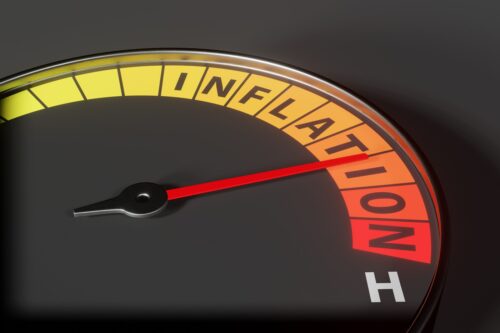
Oil prices are spiking again, but Royal Bank of Canada economists say don't expect a repeat of the inflation nightmare that gripped Canada in 2022.
While Middle East tensions have triggered significant crude supply disruptions—potentially exceeding 9 million barrels per day in April—the conditions that fuelled widespread inflation four years ago simply aren't present, according to RBC's analysis.
A Narrower Shock This Time
The key difference lies in how concentrated the current commodity shock has become. Unlike 2022, when Russia's invasion of Ukraine sent food, metals, and energy prices soaring simultaneously, today's disruption is primarily limited to oil and some fertilizer inputs. Most other commodity prices remain relatively stable, significantly reducing the risk of broad-based inflation spreading through the economy.
"Higher oil prices persisting beyond this quarter could raise non-energy prices and seep into core inflation," wrote RBC senior economist Claire Fan. "But we don't expect a repeat of 2022's sustained, widespread inflation this year."
Global supply chains have also avoided the kind of widespread disruption that amplified earlier price shocks, providing another buffer against the kind of cascading price increases Canadians experienced during the post-pandemic economic rebound.
Canadians Can't Absorb Another Shock Like Before
Perhaps most importantly, Canada's economy is entering this period from a much softer starting point. Unlike 2022—when the country was bouncing back from pandemic restrictions with excess demand—the current environment is characterised by cooler economic growth and a stabilising (but weakened) labour market.
Household finances tell a similar story. While Canadians still maintain higher savings rates than before the pandemic, those cushions are considerably thinner than they were in 2022, and consumer tolerance for rising prices has diminished significantly.
"With a weaker economy as a starting point, we expect consumers on balance will be much less tolerant of rising prices this year than in 2022," RBC stated in its analysis.
Bank of Canada Watching Closely
For the Bank of Canada, the critical question remains whether higher oil prices stay contained as an energy shock or begin influencing broader inflation expectations. Governor Tiff Macklem has repeatedly warned that unanchored expectations can allow inflation to persist even after input costs stabilise.
The central bank moved aggressively in 2022, raising rates sharply to re-anchor inflation expectations at its 2 per cent target. While those expectations have since eased, RBC notes they remain somewhat elevated compared to pre-pandemic levels, creating some sensitivity to new price shocks.
Still, RBC's base-case scenario is that the current oil spike will remain a localised event. "Overall, what has been a sharp but concentrated commodity price shock so far should reinforce that a repeat of broad-based inflation similar to 2022 is unlikely this year," Fan concluded.
This article is based on reporting from Canadian Mortgage Trends. Read the original analysis at Canadian Mortgage Trends.