


Ontario has missed a federal deadline requiring provinces to publicly fund nurse practitioner services on par with those provided by physicians — and the province still has no concrete plan to close the gap.
The federal government set April 1 as the deadline for all provinces and territories to ensure nurse practitioners' medically necessary services are covered under their public health systems. Financial penalties for non-compliance will not take effect until April 2027, giving Ontario a narrow window to act.
Ironically, Ontario Health Minister Sylvia Jones was among the voices who pushed Ottawa years ago to close what she herself called a "loophole" in the Canada Health Act — one that allowed nurse practitioners to establish subscription-fee-based private clinics outside the public system. Despite that history, her province now finds itself out of step with the federal directive it helped push for.
No Timeline, No Plan
When pressed Wednesday following question period, Jones offered little clarity on when Ontario would come into compliance.
"I want [nurse practitioners] embedded in our multidisciplinary teams. I want them working in our hospitals. And the truth is, the vast majority are doing that now, and that work will continue," Jones said.
She confirmed the province would meet the federal requirement before the April 2027 penalty deadline, but declined to provide a specific timeline or outline what steps would be taken to get there.
Nurse Practitioners Want Funding Flexibility
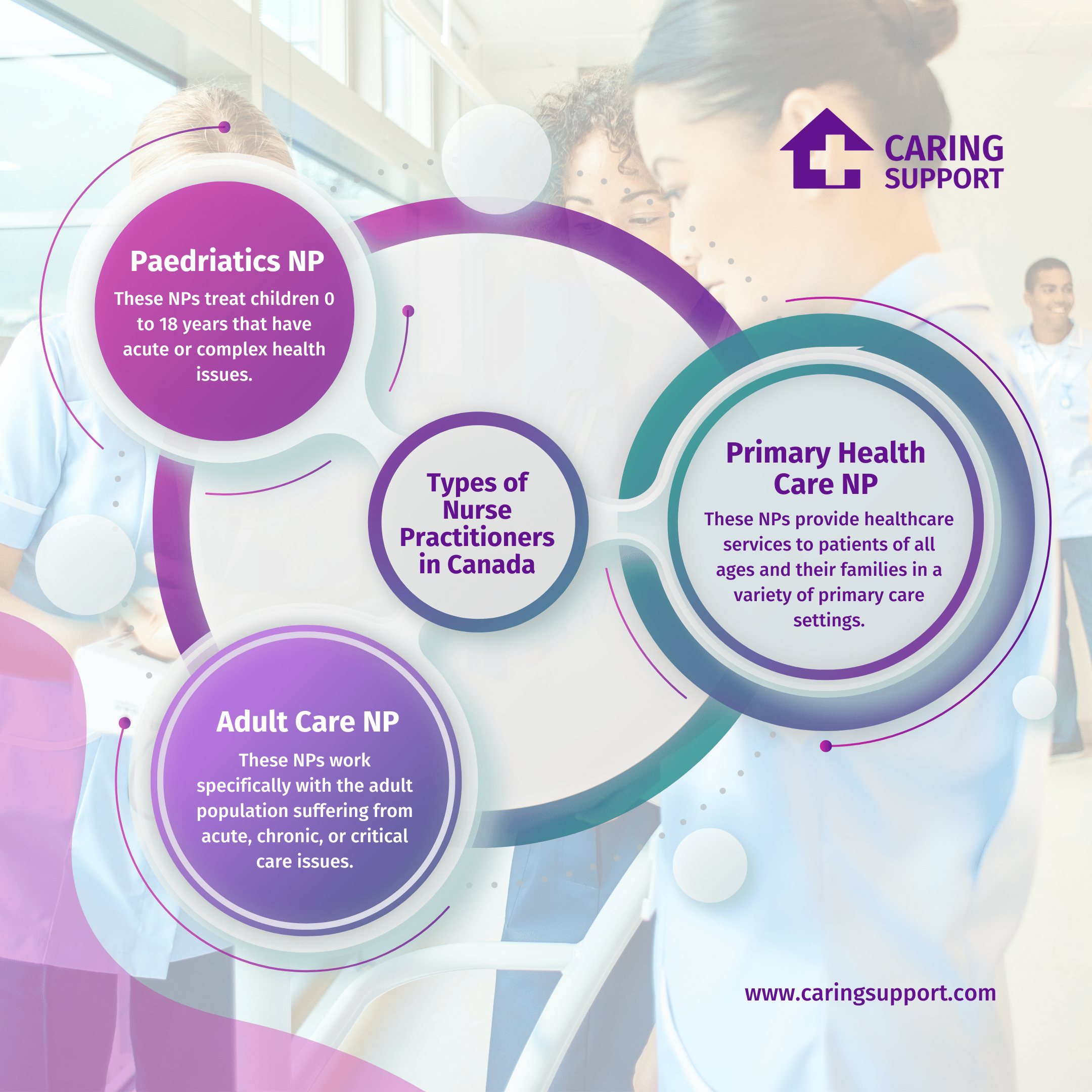
Nurse practitioners in Ontario — registered nurses with advanced university training — currently work across hospitals, primary care clinics, and community health settings. However, they are largely unable to establish independent practices or nurse practitioner-led clinics within the public system. Only roughly two dozen publicly funded nurse practitioner-led clinics currently exist in the province.
The profession has been calling for flexible billing arrangements similar to those available to family physicians, who may bill OHIP on a fee-for-service basis or receive per-patient enrolment payments. Jones dismissed that option outright.
"Any changes to billing codes would have to be worked out and agreed upon in partnership with the Ontario Medical Association," she said. "So we have no plans at this point to make changes there."
The Ontario Medical Association backed the minister's team-based care approach, stating it has "long supported nurse practitioners as valued members of collaborative, physician-led health care teams."
Professionals Say They Are "Handcuffed"
Michelle Acorn, CEO of the Nurse Practitioners Association of Ontario, said the profession has clinical autonomy but lacks the financial independence afforded to other regulated health professionals — a distinction she called unjust.
"Why is it only for nurse practitioners that these flexible options are not an option? Why are we not moving that forward when we are most responsible providers? We can help in their health-care journey, across the entire health-care system, but we're handcuffed to how we get paid right now," Acorn said.
With Canada facing a deepening primary care shortage — a crisis felt acutely in Alberta and across the West — advocates argue that empowering nurse practitioners with financial autonomy could meaningfully expand access to care for patients who have no family doctor.
For Albertans and Calgarians watching this file, the Ontario situation offers a cautionary tale: health system gridlock is often less about clinical capacity and more about who controls the funding models.
Source: CBC Health. Original reporting by Allison Jones, The Canadian Press.