


The Public Health Agency of Canada has assumed direct control of the country's vaccine injury compensation program, ending a troubled partnership with a third-party administrator that drew criticism from claimants and prompted a ministerial audit.
The transition took effect Tuesday when the federal government's contract with Oxaro expired. The program, now renamed the "vaccine impact assistance program," will be administered directly by PHAC moving forward.
Health Minister Marjorie Michel had ordered an audit of the compensation system months earlier following complaints about its administration and lengthy processing delays.
"PHAC will be working to address the existing backlog of applications, while improving the consistency and transparency of the claims process," the agency stated in a news release announcing the change.
The compensation program launched in June 2021 during Canada's COVID-19 vaccine rollout. It covers individuals who suffered "serious and permanent injury" from vaccines authorized by Health Canada after December 8, 2020.
Rare but Significant Cases
Between December 2020 and December 2023, Canada administered more than 105 million COVID-19 vaccine doses. Health Canada data shows adverse events were extremely uncommon, with 58,712 adverse event reports filed—representing just 0.056 per cent of all shots administered.
Of those reports, 11,702 were classified as serious, accounting for 0.011 per cent of vaccines distributed.
Despite the low statistical risk, some Canadians have experienced life-altering complications. Kayla Pollock, a 39-year-old Ontario woman, represents one such case.
Previously athletic and active, Pollock received her COVID-19 booster in February 2022. She now lives with paralysis from the chest down and limited arm function after being diagnosed with acute transverse myelitis—a rare condition involving spinal cord inflammation that can cause sudden, irreversible damage.
"I thought my case would be really simple because it's really severe," Pollock said about her compensation claim filed in 2022.
Her application remains unresolved after more than two years, during which she has worked with multiple case workers.
Federal Takeover Raises Questions
Pollock expressed skepticism about whether direct government administration will improve the system's performance.
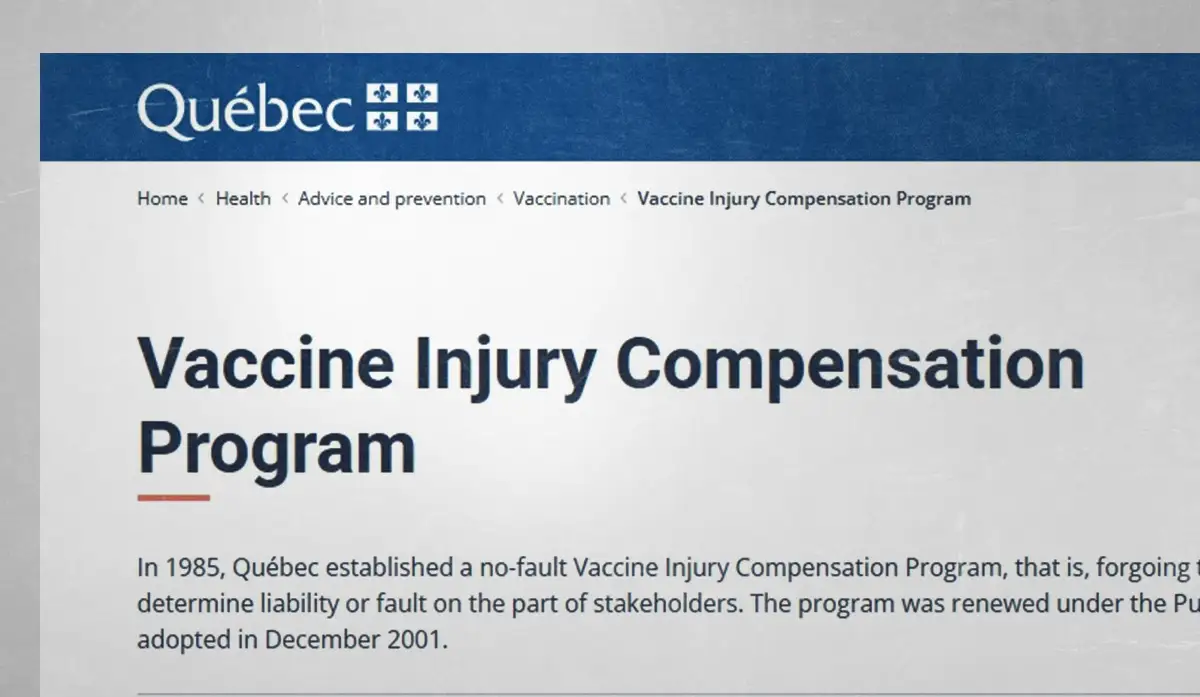
All existing applications from the previous program will automatically transfer to the new federal system. Quebec operates its own separate compensation program that will continue under provincial administration.
The change represents Ottawa's acknowledgment that the current system has failed to meet expectations for timely, transparent processing of vaccine injury claims—a critical component of maintaining public confidence in vaccination programs.
This article is based on reporting by CBC Health. Read the original story at CBC News.