


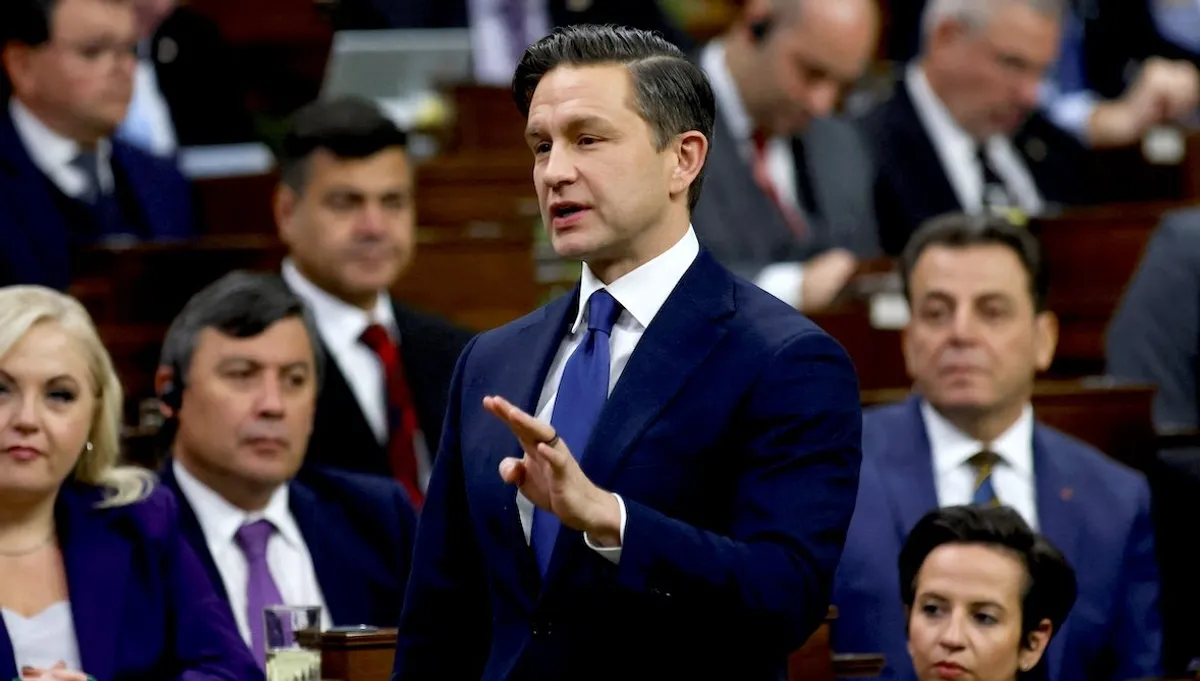
Pierre Poilievre's grip on Conservative Party leadership faces mounting pressure following a decisive Monday night loss across three federal byelections, a setback that handed Prime Minister Mark Carney fresh political ammunition and raised fresh questions about the opposition leader's ability to unite the party heading into the next election cycle.
The timing proved particularly damaging. Within hours of the Liberal majority securing 174 seats in Parliament, the Carney government announced a 10-cent-per-litre reduction in federal fuel excise tax—a move designed to ease pressure on Canadian households grappling with cost-of-living concerns.
"Asia is actively seeking Canadian energy," Carney told Parliament, signalling aggressive expansion plans. "We're not just advancing specific projects, but we're setting up the framework for major, major investment in Alberta and across the country for decades to come."
The timing of the government's announcements—coupled with Alberta Premier Danielle Smith's unveiling of new regulatory streamlining legislation requiring project approvals within 120 days—created a coordinated message of forward momentum that contrasted sharply with Conservative divisions.
The three byelection losses represent a significant erosion of Conservative support, particularly damaging for Poilievre as he attempts to position his party as a credible alternative government. Political observers note the defeats suggest deeper cracks within the Conservative base, complicating efforts to consolidate voter confidence ahead of the next general election.
For Albertans watching fuel prices and energy policy closely, the federal-provincial messaging alignment on resource development offers a marked contrast to perceived Conservative infighting. Those monitoring cost-of-living changes may want to track broader price trends using tools like Calgary Prices to understand how policy shifts translate to household budgets.
This article is based on reporting from the Calgary Herald.