


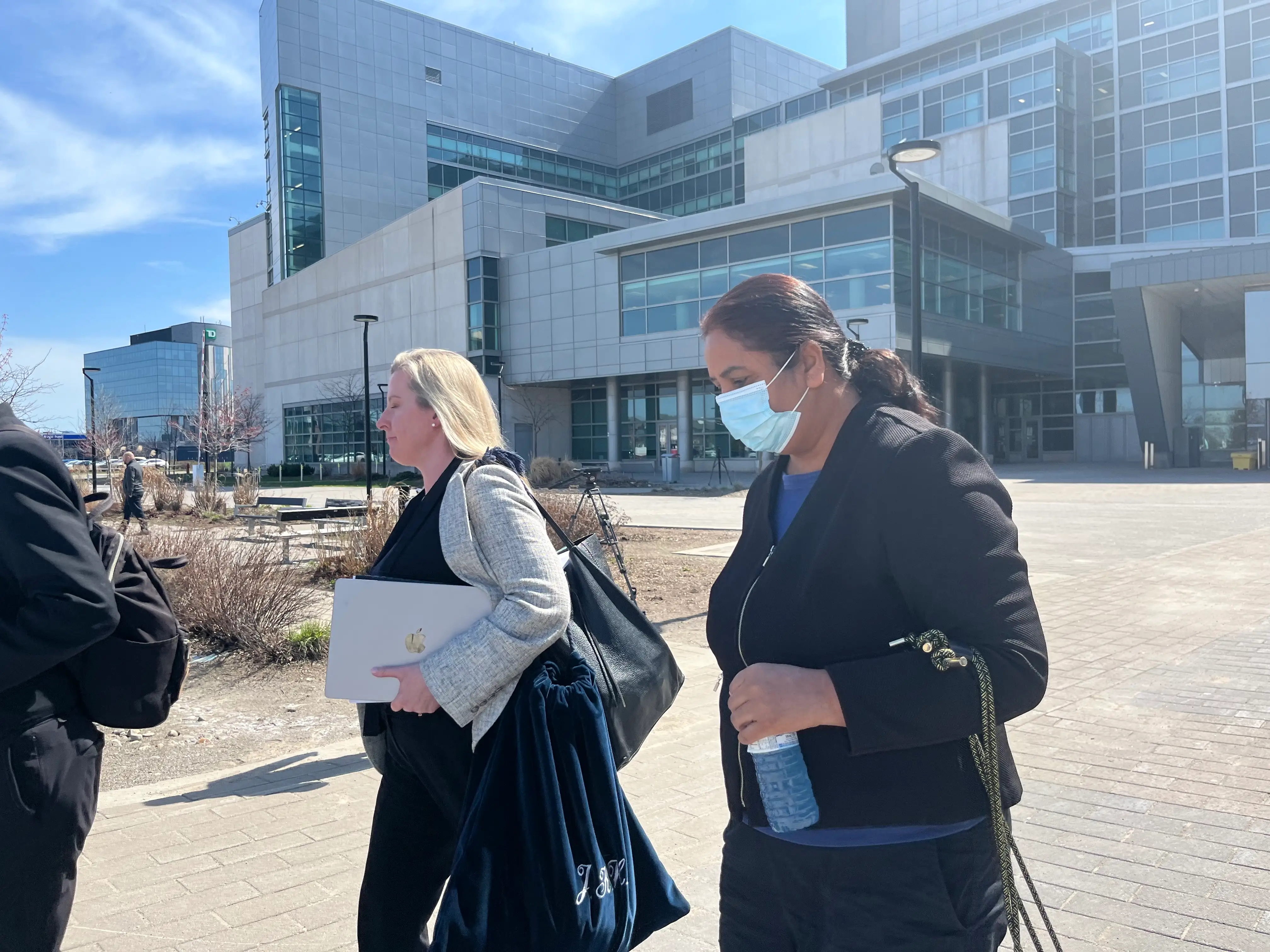
A pivotal moment arrived Thursday in the trial of a Mississauga transit driver charged in connection with a devastating June 2023 crash that claimed the life of a 50-year-old motorist on Ontario's roads.
Baljeet Dhaliwal faces dangerous driving causing death charges stemming from the June 8, 2023 collision at Derry and Rexwood roads in the Greater Toronto Area. The incident resulted in a multi-vehicle pileup when a MiWay bus plowed into two rows of stopped traffic at a red light, killing Sharron Williams, who was sitting in the driver's seat of a Nissan Rogue.
The Core Question: Mechanical Failure or Human Error?
During closing arguments before Justice David E. Harris in Brampton, defence lawyers painted a picture of mechanical catastrophe rather than negligence. They argued there is "ample reasonable doubt" and that the judge should acquit their client, pointing to evidence suggesting the bus's braking system failed at the critical moment.
"The brakes simply didn't work," the defence contends, arguing Dhaliwal was forced to deploy a hand brake to eventually halt the vehicle. A 911 recording played in court Thursday captured Dhaliwal telling a passenger immediately after the crash that the brakes were not functioning. Defence lawyer Dan Stein characterized the driver's voice on that tape as "distraught, sad and panicked."
The Crown's Counter-Narrative
Crown attorney Simran Singh offered a starkly different interpretation: the brakes were operational, but Dhaliwal failed to use them due to "a pattern of inattention" during the morning of the tragedy.
A Crown-called mechanic testified that the bus's braking system was functioning properly at the time of impact. However, defence lawyers challenged that expert's credibility, questioning the reliability of his inspection methods.
Missing Evidence and Mechanical Questions
A troubling detail emerged during proceedings: a fire erupted on the bus's front brakes while it was being towed away from the crash scene—an incident defence lawyers argue was never adequately investigated. The vehicle was destroyed before defence teams could conduct their own mechanical inspection and retrieve Anti-lock braking system (ABS) codes that might have proven critical.
"Evidence was lost," defence lawyer Jennifer Hue argued, contending that investigators' focus on the airbag control module (ACM) provided unreliable data about whether brakes were actually deployed.
The defence pointed to the bus's poor condition as supporting their mechanical failure theory. The vehicle was 10 years old, had logged 710,000 kilometres, and carried 570 outstanding maintenance work orders. Defence mechanic testimony called the bus "a lemon"—contrasting sharply with the Crown's assertion that it had been properly maintained.
Notably, the Crown's own accident reconstructionist conceded under cross-examination that the brakes might have been faulty, a point defence counsel highlighted in arguing for reasonable doubt.
The tragedy was captured on dash camera footage, providing investigators with visual evidence of the moments leading to the collision. However, interpreting what caused those final seconds before impact—mechanical failure or driver negligence—has become the trial's central battleground.
Justice Harris is expected to render his decision following the conclusion of the case.
This article is based on reporting from Global News.