


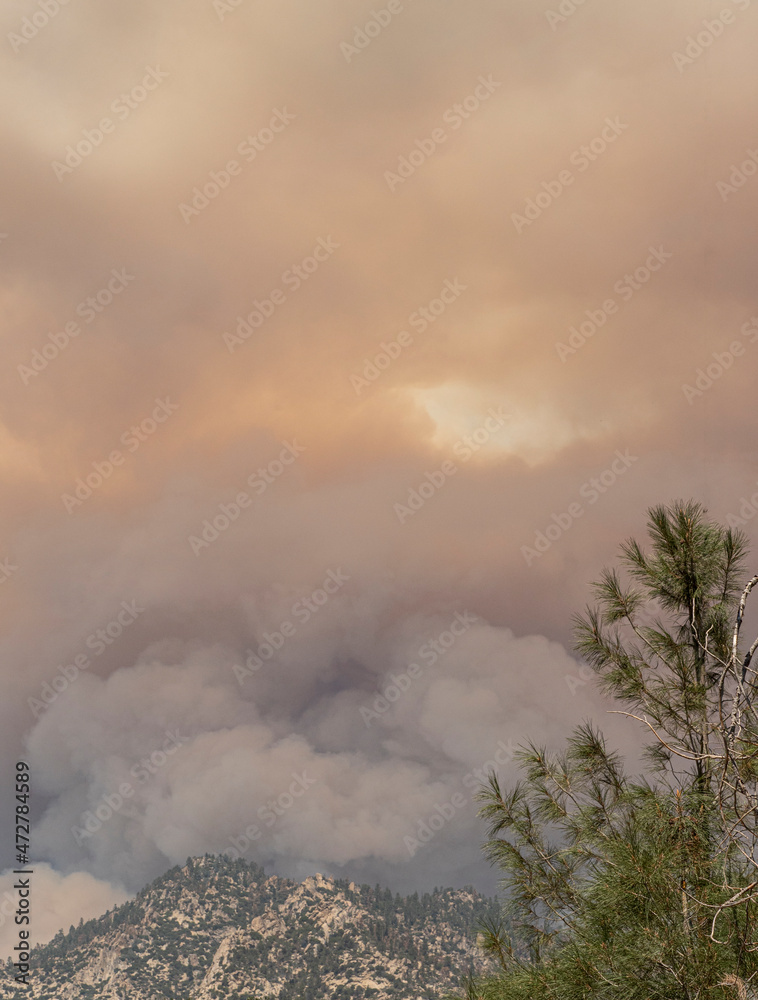
A devastating heat dome that baked the western United States in late March has melted critical mountain snowpack to dangerously low levels, prompting urgent warnings about an exceptionally severe fire season ahead that could impact North American air quality and safety.
Mountains across the western U.S. that typically maintain peak snow coverage through March are now bare brown slopes, after sustained temperatures soared 11 to 17 degrees Celsius above normal. Some states recorded highs in the 30s and 40s for multiple consecutive days.
"Everything is lining up for a potentially nasty fire season across the west... the warning signs are flashing," said John Abatzoglou, a climatology professor at the University of California Merced.
The extreme weather pattern has already triggered early wildfires, with Nebraska alone reporting more than 25,000 hectares burned as smoke drifts northward into Colorado. The early fire activity demonstrates how rapidly conditions can deteriorate when snowpack disappears ahead of schedule.
Climate Change Connection Confirmed
Research published March 20 determined that a heat wave of this intensity would be "virtually impossible" without climate change driven by human carbon dioxide emissions from fossil fuel combustion.
Heat records tumbled across more than a dozen states during the unprecedented weather event, which rapidly accelerated snowmelt across western mountain ranges that serve as critical water sources for millions.
Severe Fire Risk Escalation
Jared Balik, a research scientist at Western Colorado University, explained that early snow-melt creates longer fire seasons by drying landscapes and providing extended opportunities for ignition and spread.
His latest research reveals an alarming escalation: when low snowpack combines with early melting, the result isn't just more burned area, but significantly more severe fires that reduce forest regeneration chances.
"Colorado is now kind of covered in the smoke from those Nebraska fires," Balik noted, describing conditions as the earliest snow-melt he's witnessed in a decade of regional observation.
As of Monday, snowpack levels at nearly every western U.S. ski destination were tracking toward historic lows, according to UCLA climate scientist Daniel Swain.
Current Conditions Deteriorating
California has already reported multiple wildfires, though most remain small and contained to grasslands. However, Abatzoglou warns these early fires indicate regional grasses have dried sufficiently to carry flames.
In central California, vegetation that should remain green through spring has begun browning under temperatures exceeding 30 degrees Celsius for extended periods.
"It is eerily warm," Abatzoglou said. "I have had my air conditioner on for the past week."
The conditions across most western U.S. regions show snowpack at 20 to 30-year lows, creating unprecedented vulnerability for the approaching fire season that typically peaks in late summer and early fall.
This report is based on coverage from CBC Tech and includes additional analysis relevant to Canadian readers.