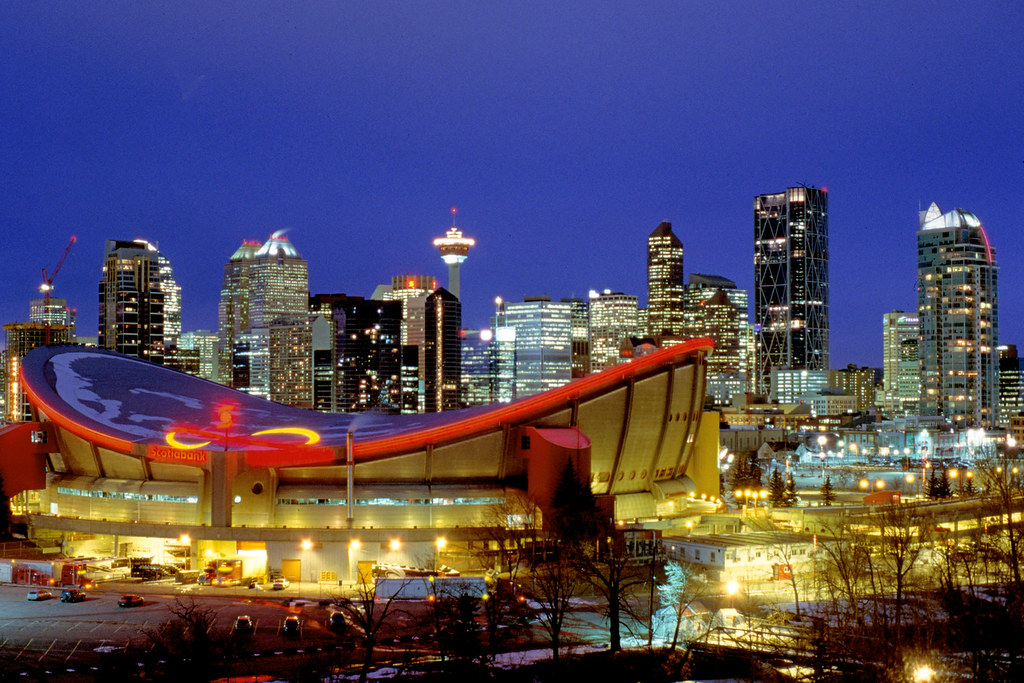



CALGARY — At approximately 5:00 a.m. on June 5, 2024, a 72-inch prestressed concrete cylinder pipe — one of the main arteries carrying treated water from the Bearspaw Water Treatment Plant to Calgary's distribution network — ruptured catastrophically. Millions of litres of water surged from the broken main, flooding the surrounding area and instantly cutting the city's water supply capacity by roughly 60%.
Within hours, Calgary declared a local state of emergency. Water restrictions were imposed on 1.4 million people. Outdoor watering was banned completely. Car washes shut down. Restaurants switched to disposable plates. Breweries halted production. Construction sites went dry. And Calgarians — in one of the most water-rich provinces in the country — were told to reduce their consumption to essential uses only.
The crisis lasted over a month before full service was restored. And it revealed something that infrastructure experts have been warning about for decades: the pipes under Canada's cities are failing, the cost of replacement is staggering, and no government at any level has a plan to pay for it.
What Happened Under the Bow River
The ruptured pipe was a 48-year-old prestressed concrete cylinder pipe (PCCP), installed in 1975 as part of Calgary's water transmission system. It ran under the Bow River near the 16th Avenue overpass — a critical piece of infrastructure that most Calgarians had never thought about and city officials hadn't replaced.
PCCP pipes have a well-documented history of failure. The prestressing wires that give the pipe its structural strength corrode over time, weakening the pipe from the inside. Unlike ductile iron or steel pipes, PCCP failures tend to be sudden and catastrophic rather than gradual — the pipe can appear functional right up until the moment it ruptures.
"This wasn't a surprise to anyone in the water infrastructure field," said Dr. Yehuda Kleiner, a retired senior researcher at the National Research Council of Canada who spent decades studying pipe deterioration. "PCCP failures have been documented across North America for years. The question was always when, not if."
Calgary's Director of Water Services acknowledged that the city had been aware of the risks associated with its PCCP infrastructure but that replacement had been deferred due to cost and complexity. The ruptured pipe was scheduled for eventual replacement under the city's long-term infrastructure plan — but "eventual" came too late.
Five Weeks of Crisis
What followed the rupture was one of the most unusual periods in Calgary's modern history. A city accustomed to abundance was suddenly experiencing scarcity.
Stage 4 outdoor water restrictions — the most severe level — were imposed immediately. All outdoor watering was prohibited. Car washes were ordered closed. Fountains were shut off. Even filling a swimming pool was banned. Residents were asked to limit showers, run dishwashers only when full, and reduce toilet flushing.
The response from Calgarians was remarkable. Water consumption dropped by over 25% within 48 hours of the restrictions. Neighbours reported neighbours who watered lawns. Social media became an enforcement tool, with photos of water wasters going viral. The city set up a tip line for reporting violations.
"Calgarians showed what this city is capable of when we pull together," said Mayor Jyoti Gondek at a press conference during the crisis. "The water savings have been extraordinary and they are directly responsible for keeping essential services — hospitals, fire hydrants, drinking water — flowing."
But the crisis also revealed vulnerabilities. Restaurants faced huge costs switching to disposable plates. Landscaping companies lost millions in revenue. Construction projects stalled. And vulnerable populations — seniors without family support, people with medical conditions requiring significant water use — struggled to comply with restrictions that assumed a baseline of mobility and resources that not everyone has.
The $30-Billion Problem
Calgary's water main break was dramatic, but it was not unique. It was simply the most visible symptom of a disease afflicting every major city in Canada: crumbling infrastructure that was built in the postwar era and is now reaching or exceeding its design life.
According to the Canadian Infrastructure Report Card, 30% of Canada's municipal infrastructure is in fair, poor, or very poor condition. The estimated cost to bring it all to acceptable condition: over $270 billion nationally, with water and wastewater systems representing a significant share.
In Calgary alone, the city's 2024 infrastructure gap for water and wastewater systems was estimated at approximately $4-5 billion. That's money needed to replace aging pipes, upgrade treatment plants, and build new capacity for a growing population — money that, at current funding levels, simply doesn't exist.
"Every city in Canada is one pipe failure away from a Calgary-style crisis," said Guy Felio, principal consultant at InfraGuide and a leading Canadian infrastructure expert. "The pipes were mostly installed between 1950 and 1980. They have a design life of 50-75 years. Do the math. We are in the window of mass failure right now, and we haven't been investing at anywhere near the level required to get ahead of it."
Why Pipes Don't Win Elections
The fundamental problem is political. Replacing underground infrastructure is expensive, disruptive, and invisible. No politician cuts a ribbon on a new water main. No voter gets excited about a sewer upgrade. The incentive structure at every level of government favours visible, photogenic projects — rec centres, transit lines, park upgrades — over the unglamorous work of keeping water flowing and sewage contained.
"Infrastructure investment follows attention, and attention follows visibility," said Dr. Matti Siemiatycki, a professor of geography and planning at the University of Toronto. "A new LRT station gets a press conference. Replacing a water main gets a traffic detour. Until underground infrastructure becomes politically sexy — which usually only happens after a catastrophic failure — it will always be underfunded."
Calgary's crisis may be the event that changes that calculation — at least temporarily. The city fast-tracked a $280-million emergency repair and replacement program. The federal government committed additional infrastructure funding. And public awareness of water system vulnerability jumped dramatically.
But history suggests that infrastructure attention fades quickly. The Flint, Michigan water crisis generated enormous attention in 2014-2015 — and yet, a decade later, thousands of American cities still have lead pipes. Calgary's crisis will be forgotten too, unless the political will to invest outlasts the headlines.
What Calgary Learned
The water main crisis taught Calgary several things. It taught the city that its residents are capable of extraordinary collective action when the stakes are clear. It taught engineers that deferred maintenance is not savings — it's debt with interest compounding underground. It taught politicians that invisible infrastructure becomes very visible when it fails.
And it taught every Canadian city that what happened in Calgary can happen anywhere. The pipes don't care about budgets, election cycles, or political priorities. They corrode on their own timeline. And when they go, everything above them — every home, business, hospital, and fire hydrant — suddenly depends on decisions that should have been made decades ago.
WestNet News continues to cover Calgary's infrastructure recovery. Contact our newsroom at news@wnactionnews.com.