


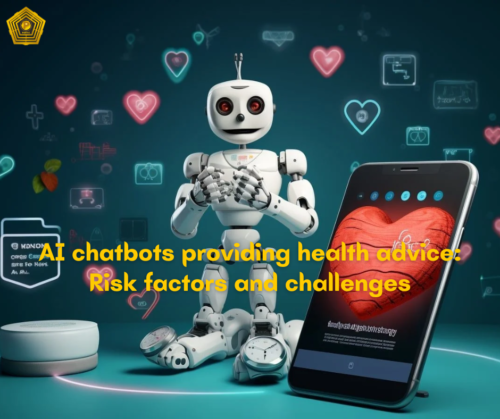
A troubling new study has exposed significant reliability problems with artificial intelligence-powered chatbots when it comes to providing medical guidance, raising serious questions about the safety of relying on these tools for healthcare decisions.
The research, which examined five widely-used AI chatbots, discovered that approximately 50 per cent of their medical responses were classified as "problematic"—containing inaccurate information, incomplete advice, or guidance that could potentially harm users seeking healthcare guidance.
The findings underscore a growing concern among medical professionals and researchers: as AI tools become increasingly integrated into everyday life, their limitations in handling sensitive health information remain poorly understood by the general public.
Why This Matters for Canadians
For Canadians navigating the healthcare system, these findings carry particular weight. While artificial intelligence continues to expand its role in medical settings—from diagnostic assistance to patient communication—the study reveals that publicly accessible AI chatbots are not reliable substitutes for professional medical advice.
"The problem is that people are using these tools thinking they're getting accurate information," explained one of the study's lead researchers. "But the reality is that artificial intelligence systems can confidently provide incorrect medical guidance, which is particularly dangerous when people act on that information without consulting a healthcare professional."
The Accuracy Problem
The study identified several categories of problems: responses that were medically inaccurate, incomplete explanations that omitted critical safety information, and advice that contradicted established medical guidelines. Some chatbots provided information that, if followed, could delay necessary medical treatment.
The researchers stressed that artificial intelligence systems—while impressive at generating human-like responses—lack genuine medical understanding. They operate by recognizing patterns in training data rather than comprehending the biological and clinical realities of disease and treatment.
What Experts Recommend
Health professionals continue to advise Canadians to treat AI-generated health information as a starting point for conversation with qualified healthcare providers, not as medical advice. For serious health concerns, consulting with doctors, nurses, or other regulated healthcare professionals remains essential.
The study serves as a reminder that technology, while advancing rapidly, still has significant limitations when lives are at stake. As artificial intelligence tools become more prevalent, both developers and users must maintain realistic expectations about what these systems can safely deliver.
This article is based on research initially reported by CBS News. For the full investigation, visit CBS News.