


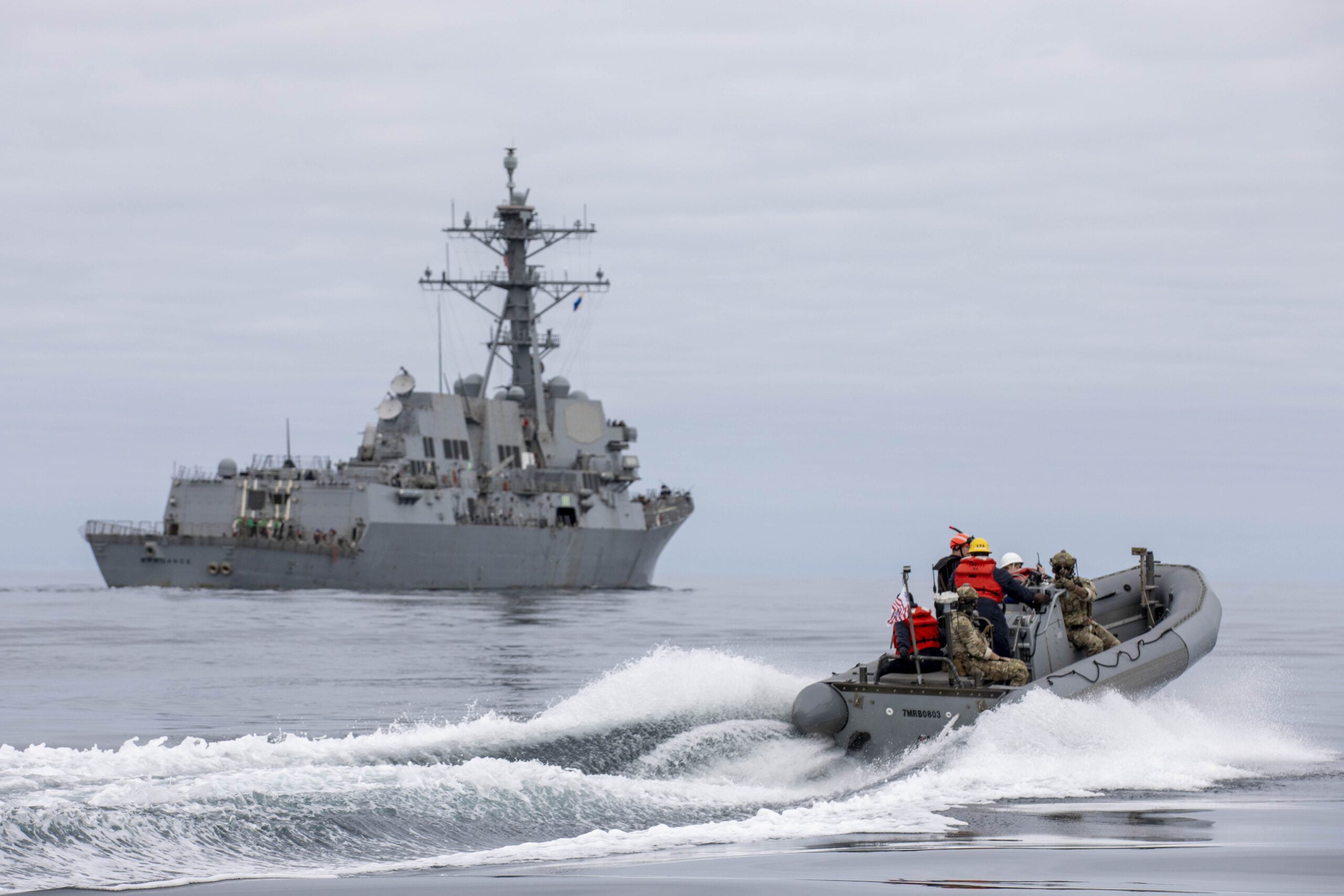
The U.S. military has continued its aggressive campaign against alleged drug trafficking vessels in the eastern Pacific, with a strike Wednesday killing three people, according to the Pentagon.
U.S. Southern Command, which oversees American military operations throughout Latin America and the Caribbean, confirmed the "lethal kinetic strike" targeted what it described as "a vessel operated by Designated Terrorist Organizations." The command released unclassified video footage of the operation on social media.
The Wednesday strike is the latest in a series of escalating operations. Just one day earlier, another similar strike killed four people, while a Monday operation resulted in two deaths, SOUTHCOM reported. Over the weekend, two separate strikes on different vessels claimed five lives, with one survivor whose search has since been suspended by the U.S. Coast Guard.
Growing Death Toll Raises Questions
Since operations commenced in early September across the eastern Pacific and Caribbean regions, at least 178 people have been killed across more than 53 targeted vessels, according to Pentagon figures.
President Trump has characterized the U.S. engagement as an "armed conflict" with Latin American drug cartels, arguing the military escalation is necessary to combat the flow of drugs into American communities and reduce overdose deaths. However, his administration has provided limited evidence substantiating claims that those killed in the strikes were "narco-terrorists."
The operations gained momentum following a high-profile January raid that captured former Venezuelan President Nicolás Maduro. He was extradited to New York to face drug trafficking charges and has pleaded not guilty to the accusations.
Critics Question Strategy and Legality
Legal experts and policy analysts have raised significant concerns about both the constitutional legality of the boat strikes and their actual effectiveness in reducing drug trafficking into North America.
A central point of contention: much of the fentanyl driving the overdose crisis in the United States reaches American cities via land routes from Mexico, where the drug is manufactured using chemical precursors imported from China and India. Critics argue the maritime campaign may be misaligned with where the actual trafficking problem originates.
This article is based on reporting from CBS News and the Associated Press.