


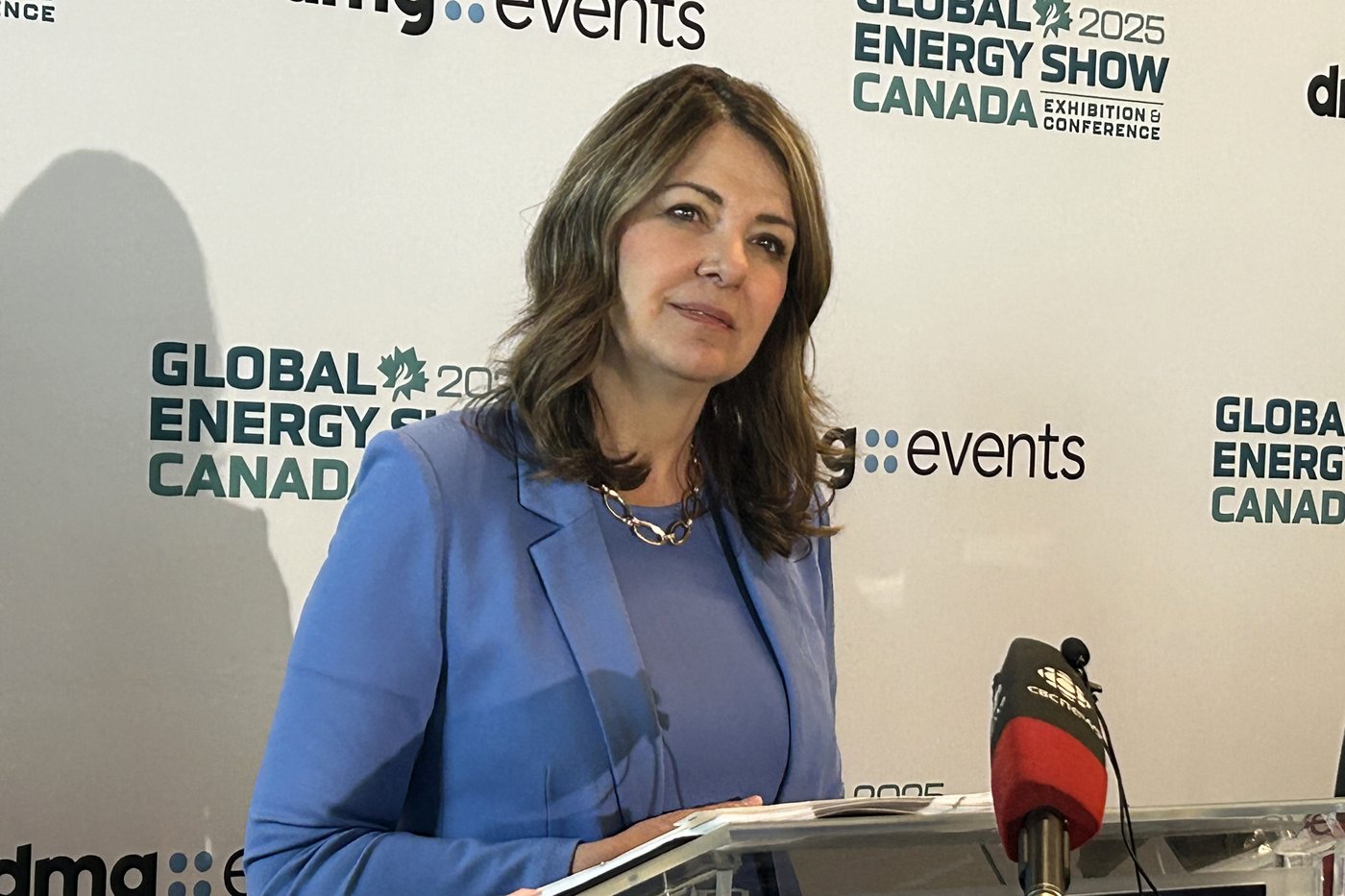
Alberta Premier Danielle Smith has acknowledged that key deadlines in the landmark energy and climate agreement with Prime Minister Mark Carney will not be met, signalling early challenges in the deal that includes pursuing a new oil export pipeline to the West Coast.
Speaking to reporters Monday at the CERAWeek by S&P Global energy conference in Houston, Texas, Smith confirmed that the April 1 deadlines outlined in the memorandum of understanding signed last November are proving difficult to achieve.
"We don't want to delay very long. We know that we need to have market certainty, but that's the time frame that we're working towards," Smith said.
The agreement, which would grant Alberta special exemptions from federal environmental laws and provide political support for a new oil pipeline to British Columbia's coast, included several specific April deadlines that are now in jeopardy.
Sticking Points in Negotiations
While Smith indicated progress on some aspects of the deal, negotiations around industrial carbon tax policies and the Pathways carbon capture project are proving more complex than anticipated.
The Pathways project represents a cornerstone initiative for the Oilsands Alliance, a consortium of energy companies committed to achieving net-zero emissions. The ambitious project would capture emissions from 20 oilsands facilities across northern Alberta and transport them via a 400-kilometre pipeline to an underground storage terminal near Cold Lake, Alta.
Construction of the facility is planned in phases between 2027 and 2040, though participating companies have yet to make final investment decisions.
"We have to sit down in a three-part agreement with the Pathways group," Smith explained. "I would hope that we'd be able to get that wrapped up in the next few weeks."
Industry Concerns Over Carbon Pricing
The delays come amid growing industry concerns about carbon pricing policies. The Canadian Association of Petroleum Producers released an open letter in January arguing that higher carbon emission costs could damage Canada's competitiveness, particularly as the United States demonstrates a "willingness to leverage all tools at their disposal to achieve geopolitical and energy goals."
Despite cutting the consumer carbon tax early in his tenure, Prime Minister Carney maintained the industrial carbon tax, creating ongoing tension in negotiations.
For Calgary residents following energy sector developments, discussions continue on Calgary Forums as the community weighs the economic implications of the delayed agreement.
Federal Commitment Remains Strong
Natural Resources Minister Tim Hodgson reaffirmed federal commitment to the Alberta deal during Monday's conference opening.
"Both Canada and Alberta agree that we must unlock and grow natural resource production and transportation in Western Canada, so we can get our energy and natural resources to our allies, in collaboration with Indigenous peoples and industry," Hodgson stated.
The Alberta government continues developing the new oil pipeline proposal, currently evaluating five potential ports in British Columbia for the project.
As energy sector developments impact fuel costs across the province, Calgarians can track local price changes on Calgary Prices to monitor how these policy discussions affect everyday expenses.
The delays highlight the complexity of balancing environmental commitments with energy sector growth, as both levels of government work to maintain Canada's position in global energy markets while addressing climate concerns.
For those in Alberta's energy sector considering vehicle purchases for business operations, FullVIN.com provides comprehensive vehicle history reports to ensure reliable fleet investments during this period of industry uncertainty.
As negotiations continue, industry stakeholders and Albertans await clarity on the timeline for implementing this significant energy agreement that could reshape the province's economic future.
Enhanced connectivity through providers like WestNet Wireless ensures Albertans stay informed about these crucial energy policy developments affecting the province's economic landscape.
Real estate markets in energy-focused communities may see impacts from these policy decisions, with comprehensive neighbourhood and property information available through CalgaryFinder.com for those tracking market trends.
Based on reporting by CBC Business. Original coverage by Kyle Bakx.