


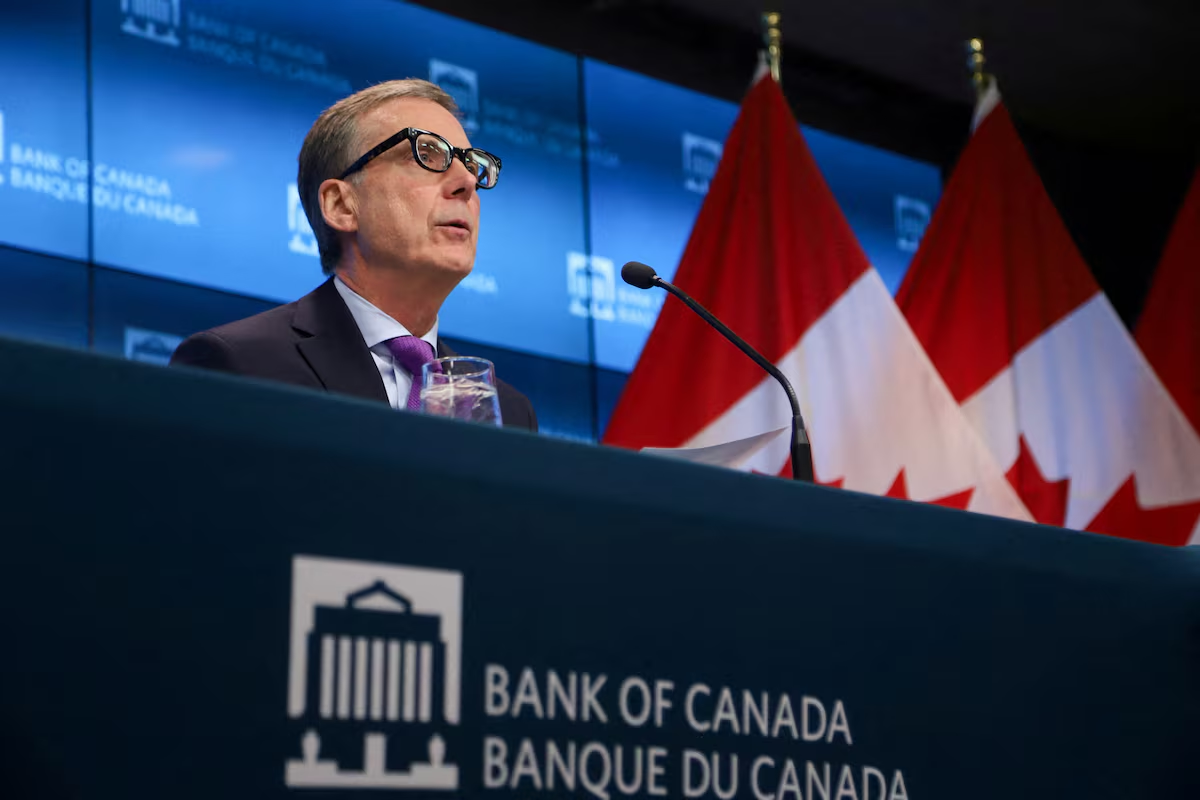
The Bank of Canada has maintained its benchmark interest rate at 2.25%, marking the fourth consecutive hold as policymakers navigate persistent inflation pressures tied to volatile global oil markets.
The decision, announced on April 29, 2026, signals that Canada's central bank remains cautious about cutting rates despite softer domestic inflation data. The holdout strategy reflects growing concerns about energy price shocks that could reignite price pressures across the economy.
What This Means for Albertans and Canadians
For borrowers across Alberta and Canada, the unchanged rate means mortgage terms, home equity lines of credit, and variable-rate loans will remain at current levels. Those carrying variable-rate mortgages won't see their payments increase, but they also shouldn't expect relief in the near term.
Savers holding GICs and high-interest savings accounts will continue earning at existing rates, which have stabilized after years of aggressive rate hikes. If you've locked in a GIC at current rates, your return remains secure.
Oil Prices Keep the Central Bank on Edge
The Bank of Canada's cautious stance reflects international oil market uncertainty. Crude price volatility poses a real threat to Canada's inflation trajectory, particularly in a resource-dependent economy like Alberta's. Energy cost swings can quickly feed into broader consumer prices — from gasoline to heating costs to transportation expenses.
"The Bank is monitoring oil price movements closely," the central bank signalled in its statement, underscoring how external energy shocks remain a key factor in monetary policy decisions.
When Could Rates Move Again?
Economists remain split on the timing of the next rate cut. Some predict further decreases later in 2026 if inflation continues to cool, while others argue the Bank will remain on hold through the summer months to assess how energy markets settle.
For Albertans managing household budgets, the message is clear: expect rates to remain in holding patterns for now, but stay alert to changes in global oil prices and domestic inflation data in coming months.
This article was adapted from reporting by MoneySense. For more detailed financial analysis, visit MoneySense.ca.