


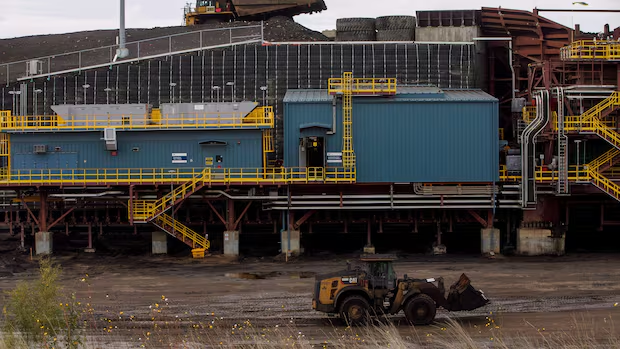
Alberta's oil sands sector could be poised for a significant turnaround. Prime Minister Mark Carney announced this week that the Pacific Link pipeline—a massive new conduit designed to move one million barrels of crude per day from Alberta to a tanker export terminal on British Columbia's southern coast—has been designated a project of national interest, greenlighting a streamlined approval process.
The designation represents a watershed moment for the industry after more than a decade of relative stagnation. Carney made the announcement during a visit to Fort McMurray, home to some of the world's largest oil sands operations, signalling the federal government's commitment to unlocking new export capacity for Alberta's energy producers.
A Different Kind of Growth Expected
When asked if the move signals a return to boom times, Carney was careful with his language. "I wouldn't use the term 'boom,'" he told reporters. "I would use 'sustained growth.'"
That distinction matters. The oil sands booms of the mid-2000s through mid-2010s came with significant collateral damage: runaway construction costs, severe labour shortages, and acute housing crises that strained communities across northeastern Alberta.
Alberta Premier Danielle Smith echoed that sentiment, noting that companies have already adapted their approach. "They have managed to find a way to increase production without having the kind of dramatic pressure that we saw in the past of a large number of people moving here, not able to find homes," Smith said.
Why Investment Dried Up
For the better part of a decade, major oil sands operators have avoided the massive "greenfield" megaprojects that defined the 2000s and early 2010s. The last major mine built from scratch was Suncor Energy's Fort Hills facility, which opened in 2018—but not before its cost ballooned from $13.5 billion to over $17 billion between 2013 and startup.
Instead, companies have opted for smaller-scale expansions and operational tweaks to squeeze more bitumen from existing facilities. Industry executives have repeatedly cited three major obstacles: limited pipeline capacity, regulatory complexity, and stringent environmental requirements.
Global conditions compounded the slowdown. Crude prices collapsed in the mid-2010s amid global oversupply and struggled to recover before the COVID-19 pandemic decimated demand entirely.
Geopolitical Winds Shift in Oil's Favour
Today's landscape looks dramatically different. Recent Middle East instability has exposed vulnerabilities in global energy supply chains, and nations worldwide are actively seeking stable, reliable energy suppliers. That positioning favours Canadian producers.
Simultaneously, a series of energy policies from the Trudeau era that frustrated the oil patch have been reversed or abandoned. The removal of regulatory barriers, combined with the prospect of Pacific Link opening Asian markets to Canadian crude, has rekindled industry optimism.
"We learned lessons from the past in building infrastructure," Carney told reporters Thursday, suggesting Ottawa intends to move the approval process forward efficiently while avoiding past pitfalls.
The Pacific Link designation now places the project under the oversight of the Calgary-based Major Projects Office, which will shepherd it through a condensed regulatory review. For oil sands operators who have been cautious about committing billions to expansion, the combination of export infrastructure and supportive policy signals could be the green light they've been waiting for.
This story is based on reporting by CBC Calgary and The Canadian Press.