


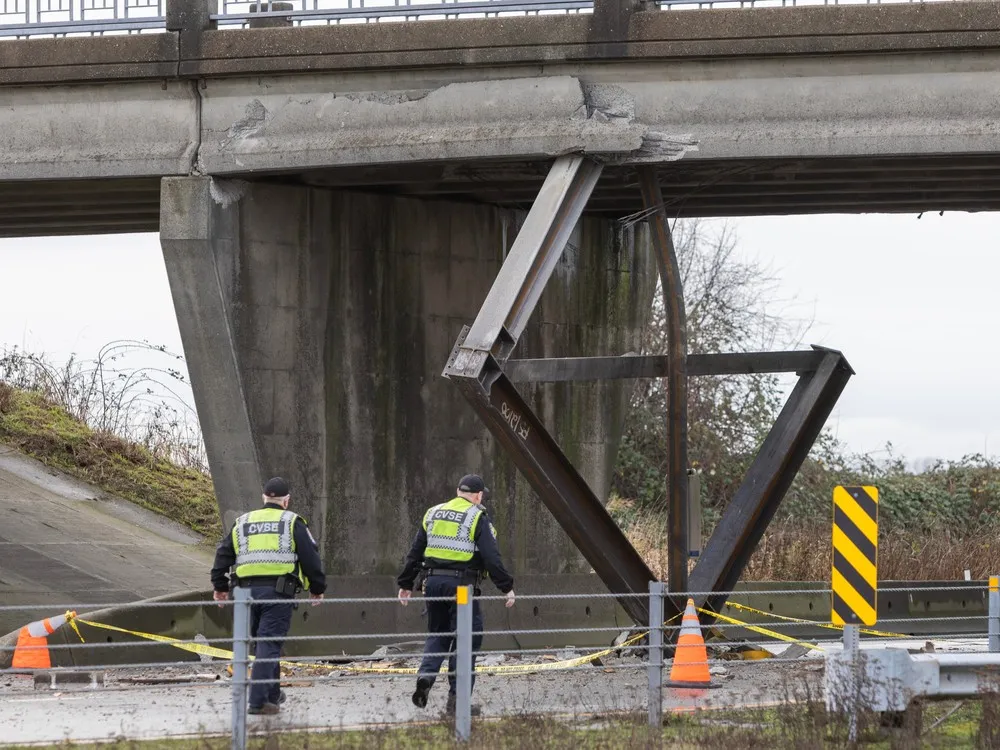
Alberta is rolling out a high-tech solution to one of the province's most persistent and expensive infrastructure problems: bridge strikes.
The Canadian Trucking Regulations Hub, launching April 22, promises to be a game-changer for the trucking industry by giving drivers real-time route planning tailored to their specific load dimensions. Truckers can input details about what they're hauling, and the system instantly identifies safe routes that won't result in a catastrophic collision with an overpass.
"We want to make sure there's greater awareness and give the industry a tool to reduce or ultimately eliminate bridge strikes," Transportation Minister Devin Dreeshen told CBC News.
The Cost of Collision: Why This Matters Now
The numbers tell a sobering story. Between 2023 and 2025, Alberta experienced 39 bridge strikes on provincial highways. More alarming: 23 of those were over-height collisions—meaning oversized loads slammed into structures they shouldn't have. The repair bills? Over $11 million in construction costs alone.
Those aren't just numbers on a spreadsheet. Every repair represents taxpayer money diverted from expanding and improving Alberta's roads. Every bridge strike represents a potential safety hazard, traffic delays, and economic disruption.
"At the end of the day, this is Alberta taxpayers' money that went into beautiful infrastructure that's getting destroyed," Dreeshen said.
Industry Support Building
The trucking industry itself is embracing the tool. Tony Jackson, a professional driver with more than 13 years of experience behind the wheel, sees immediate value.
"I think these tools are absolutely necessary. I think it would go a long way towards reducing a lot of these bridge strikes."
Robert Harper, president of the Alberta Motor Transport Association, echoes that sentiment. "Transportation is such a critical part of our economic productivity," Harper said. "There are huge benefits if you don't have delays on the road where something bad happens because this tool perhaps prevents them."
A Made-in-Canada Solution with Cross-Border Ambitions
While the hub launches with Alberta's regulatory information, the real vision extends far beyond provincial boundaries. The platform is designed to eventually integrate trucking regulations from every Canadian province and territory, creating one unified resource for drivers navigating interprovincial routes.
British Columbia already operates a similar route-planning system, but Alberta's hub aims to consolidate everything into a single, easy-to-use platform. This approach could streamline interprovincial trade and reduce the confusion truckers face when crossing borders with varying regulations and height restrictions.
The Canadian Council of Motor Transport Administrators will assume management of the hub in fall 2026, signalling a national commitment to the initiative.
What's Next
The hub will be available in both English and French, ensuring accessibility across the country. Beyond the immediate benefit of reducing bridge strikes, the system promises to help construction crews focus on expanding road capacity rather than constantly patching up collision damage.
For Alberta's trucking industry and the province's taxpayers, the April 22 launch date can't come soon enough.
This story was originally reported by CBC Calgary.