


Alberta's push to fill teacher shortages through expedited certification pathways is raising red flags among education leaders, who argue the province risks compromising classroom quality to address staffing gaps.
The provincial government has introduced a controversial program that allows individuals without a bachelor of education degree to enter teaching positions, a move designed to address persistent teacher shortages across Alberta schools. However, critics say the approach prioritizes speed over preparation, potentially putting students at a disadvantage.
Complex Classrooms Demand Qualified Educators
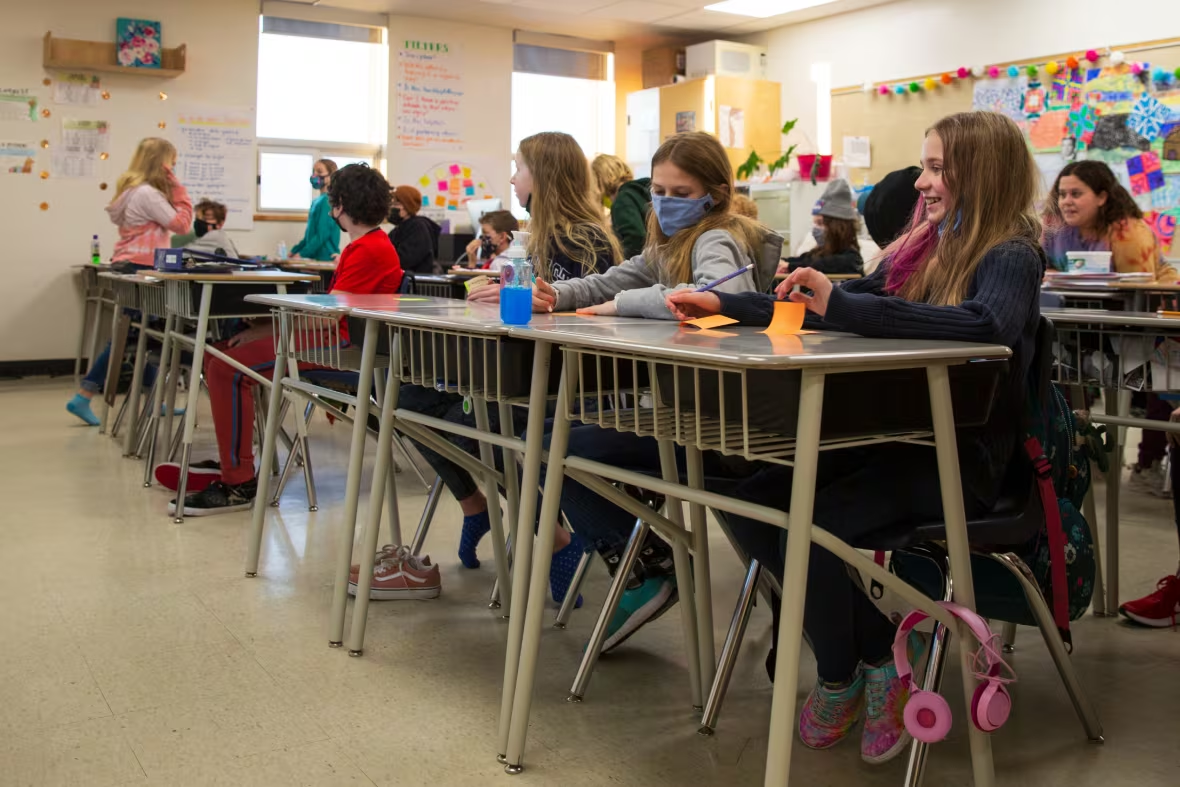
Modern classrooms are far more complex than previous generations, according to education advocates. Today's teachers navigate diverse learning needs, multiple languages, and rising mental health challenges among students. They must understand not just what to teach, but why certain teaching methods work for individual learners.
"A bachelor of education degree isn't bureaucratic red tape—it's a public safeguard," experts contend. The degree provides teachers with essential training in learning assessment, classroom management, working with specialist services, and supporting students with emotional and developmental needs.
The concern grows sharper when paired with Alberta's recent budget announcement. While the province allocated billions to education operational funding, little was dedicated to preparing qualified teachers through traditional degree programs. That contradiction troubles parents and administrators who worry the province is signaling that formal teacher education no longer matters.
What Parents Should Know
Education leaders ask parents to consider a simple question: Would you trust an untrained person to handle your child's medical care? The same principle applies to education. Teachers shape not only academic achievement but also social development, emotional well-being, and future opportunities.
Lowering qualification standards risks flooding classrooms with under-prepared educators who may lack the training to manage complex learning environments effectively. This could particularly harm vulnerable students—those with learning disabilities, English language learners, or children facing family instability.
Stakes for Alberta's Future
Alberta's education system underpins the province's economic competitiveness, social cohesion, and innovation capacity. Weakening teaching standards today could create long-term consequences for students, families, and the broader economy.
The teacher shortage is real and urgent. But education experts argue Alberta should address it by investing in recruiting and training qualified educators—not by compromising the professional standards that protect students and families.
This opinion reflects concerns raised by Alberta education researchers and advocates. The debate continues as provincial decision-makers weigh immediate staffing needs against long-term educational outcomes.
Based on reporting from the Edmonton Journal.