


Business

Bank of Canada deputy admits central bank miscalculated pandemic inflation persistence
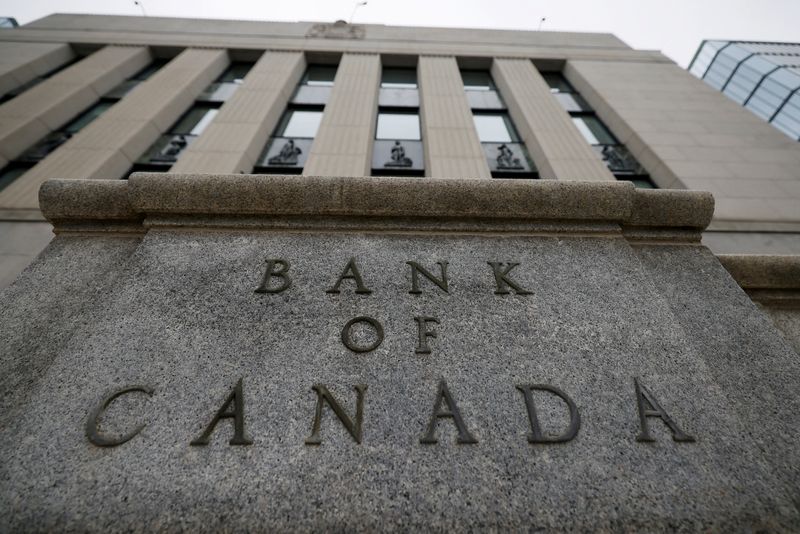
Senior deputy Carolyn Rogers says forecasting models failed to predict lengthy supply chain disruptions and demand surge

Bank of Canada deputy admits central bank miscalculated pandemic inflation persistence
(Financial Post / File)

The Bank of Canada's senior deputy governor acknowledged Thursday that central bankers significantly underestimated how long inflation would persist following the pandemic, leading to delayed action on interest rates.

Carolyn Rogers, speaking to an audience in Brandon, Manitoba, admitted the central bank's response was hampered by forecasting models built on decades of stable, low inflation that suggested economic shocks would prove temporary.

"Our forecasting models were built on decades-long experience with low and stable inflation. They suggested that the shocks would be temporary and that we shouldn't raise interest rates quickly and risk delaying the economic recovery,"
Rogers said during her Thursday address.

The frank admission comes as economists express growing concern about rising oil prices potentially triggering broader inflationary pressures across the Canadian economy.

Supply Chain Disruptions Lasted Longer Than Expected

Rogers explained that the central bank's initial assessment proved incorrect on multiple fronts, with supply constraints proving far more persistent than anticipated.

"In hindsight, the supply constraints proved much more persistent, and the surge in demand that followed the reopening of the economy after the pandemic was bigger and lasted longer than we had expected,"
she noted.

The Bank of Canada eventually responded with a series of aggressive interest rate increases to combat inflation, while working to maintain public confidence that the institution's long-term inflation target remained anchored at approximately two per cent.

Central Bank Adopting New Monitoring Tools

Rogers described the experience as "difficult" but emphasized that the Bank of Canada has drawn important lessons from the period.

The central bank is now incorporating more real-time economic data and increasing direct engagement with Canadian businesses to better gauge economic conditions as they develop, rather than relying solely on traditional forecasting models.

"We're improving our ability to detect and assess supply shocks,"
Rogers said, outlining the bank's enhanced approach to monitoring economic disruptions.

The admission provides insight into the central bank's decision-making process during one of the most challenging inflationary periods in recent Canadian economic history, when consumer prices surged well beyond the bank's target range.

This report is based on information from the Financial Post. Read the original story here.

Share this story