


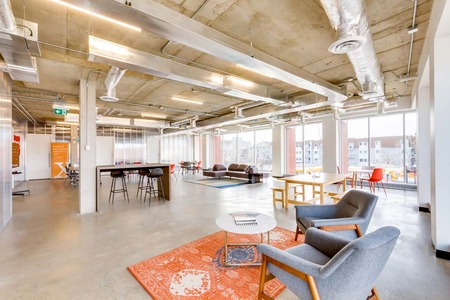
Calgary's co-working industry is experiencing unprecedented growth, with occupancy rates surging 60% over the past 12 months as remote workers increasingly seek professional environments and community connections outside their homes.
Industry data compiled by the Calgary Economic Development Corporation shows that shared workspace facilities across the city have reached an average occupancy rate of 78%, up from 48% in March 2025. The dramatic increase reflects a fundamental shift in how Calgarians approach work-life balance following the pandemic's lasting impact on traditional employment models.
"We're seeing professionals who've been working from home for years finally ready to get back into a structured environment, but on their own terms," said Jennifer Mitchell, owner of Momentum Co-Working in Kensington. "They want the flexibility of remote work combined with the energy and networking opportunities that come from being around other professionals."
The surge has been particularly pronounced in Calgary's inner-city neighbourhoods, where co-working spaces report waiting lists for premium desk memberships. Facilities in Inglewood, Bridgeland, and the Beltline have seen the strongest demand, with many expanding their offerings to include private phone booths, podcast recording studios, and wellness rooms.
Sarah Chen, a freelance marketing consultant who joined a Bridgeland co-working space six months ago, said the community aspect was crucial to her decision. "Working from home was isolating, and I found my productivity actually improved when I had other motivated people around me," Chen explained. "Plus, I've already landed two new clients through connections I made here."
The trend is reshaping Calgary's commercial real estate landscape as property managers convert traditional office spaces into flexible work environments. Downtown Calgary has welcomed four new co-working facilities since January, with plans for at least six more openings before year-end.
Local business directory CalgaryFinder.com has tracked a 45% increase in searches for "co-working spaces" and "shared offices" over the past quarter, indicating sustained interest in alternative work arrangements among Calgary professionals.
Economic development officials view the co-working boom as positive for Calgary's business ecosystem, particularly for supporting entrepreneurs and small businesses. The flexible membership models allow startups to access professional environments without long-term lease commitments.
"This growth reflects Calgary's adaptability and entrepreneurial spirit," said Mark Thompson, director of business development at Calgary Economic Development. "Co-working spaces are becoming incubators for innovation and collaboration across industries."
Industry analysts predict the trend will continue through 2026, with experts forecasting that shared workspaces could capture up to 15% of Calgary's total office market within two years. The shift represents a permanent change in workplace preferences that emerged from pandemic-era remote work policies.
Several co-working operators are already planning expansion into suburban Calgary markets, recognizing demand from professionals who prefer to work closer to home while maintaining access to professional amenities and networking opportunities.