


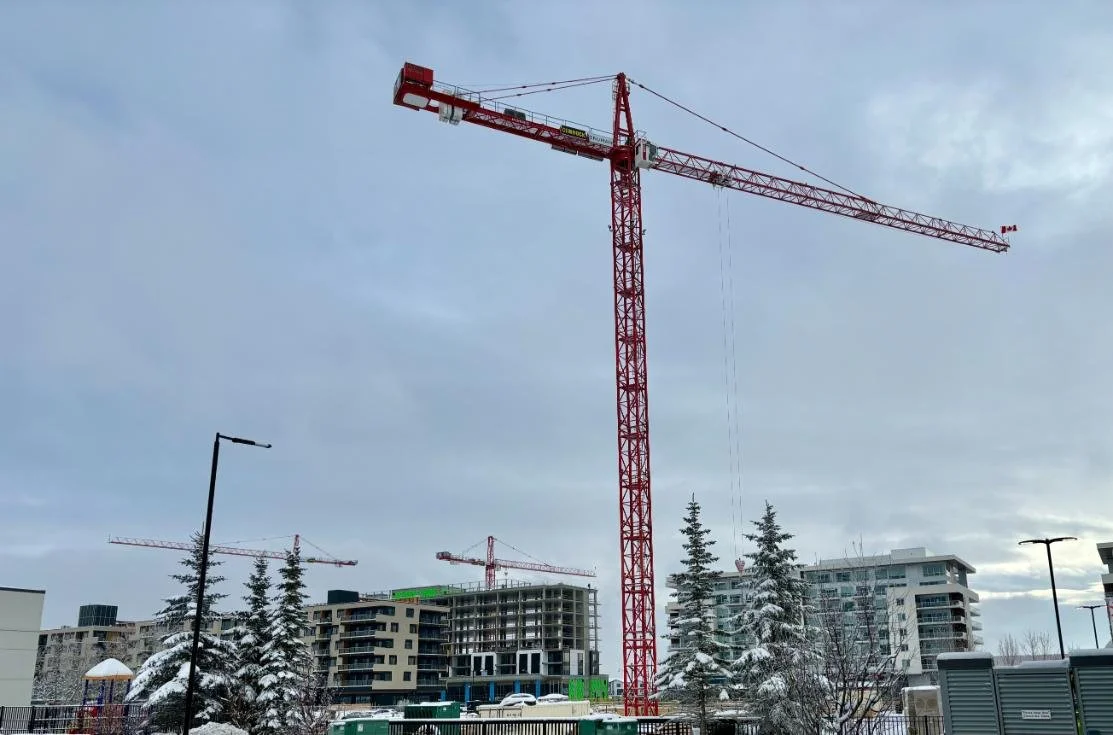
Calgary's construction boom reached unprecedented heights this month as the city recorded 62 active crane projects, marking the highest count in the city's history and signalling robust economic recovery across multiple sectors.
The milestone surpasses the previous record of 58 cranes set during the oil boom of 2014, according to data compiled by the Calgary Construction Association and confirmed by city planning officials. The current crane count represents a 34 per cent increase from the same period last year when 46 cranes dotted the skyline.
"This is extraordinary growth that reflects Calgary's economic diversification and the confidence developers have in our market," said Sarah Mitchell, president of the Calgary Construction Association. "We're seeing unprecedented demand across residential, commercial, and infrastructure projects."
Of the 62 active projects, 38 are residential developments, including high-rise condominiums and apartment complexes concentrated in the downtown core, Beltline, and emerging neighbourhoods like the East Village and Kensington. Commercial projects account for 18 cranes, while six are dedicated to infrastructure and public works.
The construction surge comes as Calgary experiences its strongest population growth in over a decade, with Statistics Canada reporting net interprovincial migration of 47,000 people in 2025. Housing demand has intensified accordingly, with average home prices rising 12.8 per cent year-over-year, according to Calgary Prices market data.
Mayor Jyoti Gondek attributed the construction boom to several converging factors during a press conference Friday. "Calgary has successfully positioned itself as a technology and energy hub while maintaining our traditional strengths," Gondek said. "The combination of job growth, population increase, and strategic infrastructure investment is creating this remarkable building momentum."
The Beltline district leads with 14 active crane projects, followed by downtown Calgary with 11 cranes. East Village continues its transformation with eight major developments underway, while established neighbourhoods like Hillhurst-Sunnyside and Mission are experiencing renewed development interest.
Industry analysts project the crane count could reach 70 by year-end as several major projects break ground in the coming months. However, labour shortages remain a persistent challenge, with skilled trades workers in high demand across Alberta.
"The challenge now is ensuring we have adequate workforce capacity to sustain this level of activity," Mitchell noted. "We're working closely with training institutions and government partners to address skilled labour gaps."
The construction boom extends beyond Calgary's core, with suburban areas like Sage Hill, Mahogany, and new developments in the southeast experiencing significant residential crane activity. This distributed growth pattern reflects changing housing preferences and the city's commitment to sustainable urban development.
Real estate professionals report the crane count serves as a leading indicator of market confidence. Local business directory CalgaryFinder.com has documented increased commercial space inquiries correlating with new construction announcements.
Economic Development Calgary projects the current construction activity will generate approximately 8,400 direct jobs and contribute an estimated $2.1 billion to the regional economy in 2026, underscoring Calgary's emergence from previous economic downturns with remarkable resilience and diversification.