


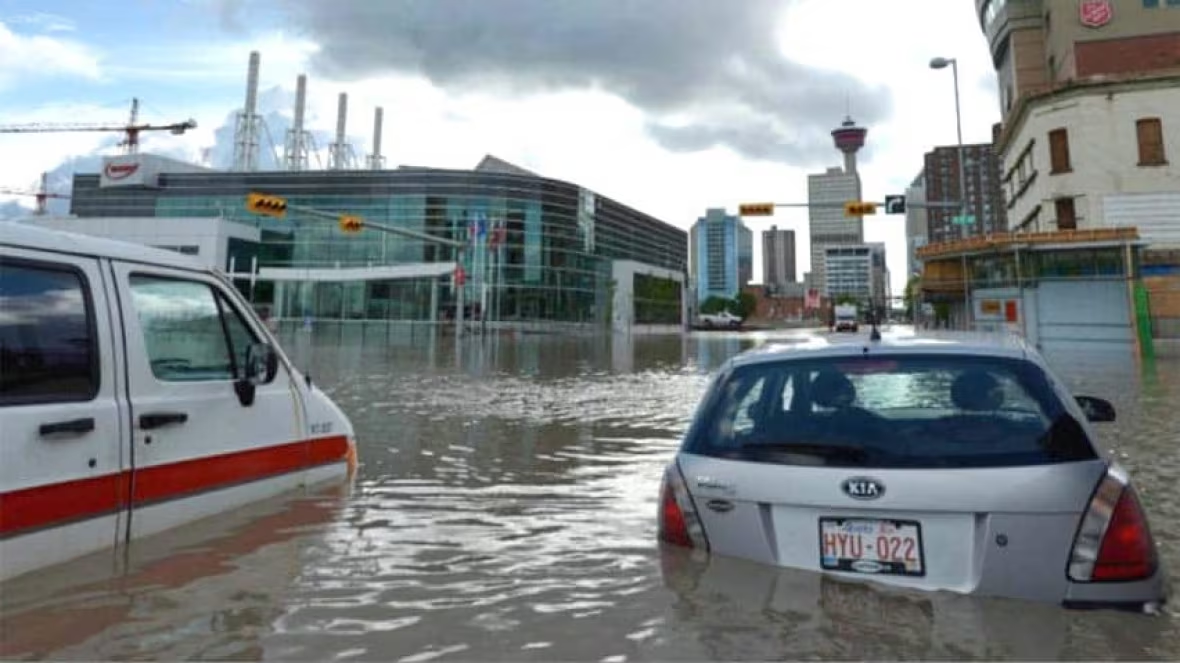
Calgary Mayor Jyoti Gondek declared a state of emergency early Saturday morning as the Bow River reached unprecedented levels, forcing the immediate evacuation of thousands of residents from downtown Calgary and several communities along the riverbank.
The emergency declaration, issued at 12:47 a.m., came as water levels at the Bow River gauge near the Centre Street Bridge exceeded 2013 flood levels by nearly two metres. Emergency Management Agency officials reported that rapid snowmelt combined with heavy rainfall over the past 48 hours created conditions not seen since the catastrophic 2013 floods.
"We are facing an immediate and serious threat to public safety," Mayor Gondek said during an emergency press conference. "All residents in mandatory evacuation zones must leave their homes immediately. This is not a drill."
Evacuation orders are in effect for downtown Calgary, Eau Claire, Prince's Island Park, Bowness, Hillhurst-Sunnyside, and parts of Inglewood. The City estimates approximately 15,000 residents are affected by mandatory evacuation orders, with another 8,000 under evacuation alerts in neighbouring communities.
Calgary Transit suspended all C-Train services through the downtown core, while the TransCanada Highway has been closed between Canmore and Calgary due to washouts. Emergency shelters have been established at the Telus Convention Centre, McMahon Stadium, and several community centres throughout the city.
"Water is coming over the Bow River pathway system and flooding Memorial Drive," said Fire Chief Steve Dongworth. "We have multiple water rescue teams deployed and are asking residents to stay away from all waterways and flooded areas."
The flooding has severely impacted Calgary's business district, with water entering the Plus 15 system and basement levels of several downtown towers. The Calgary Stampede grounds are under two metres of water, marking the second major flood event at the iconic venue in 13 years.
WestNet Humanitarian Services has opened emergency coordination centres to assist displaced residents, working alongside the Red Cross and Salvation Army to provide temporary housing and essential supplies. Community members can access real-time evacuation updates through Calgary Forums, where residents are sharing safety information and coordinating assistance.
Environment and Climate Change Canada meteorologist David Phillips warned that conditions could worsen before improving. "We're seeing a perfect storm of factors - record snowpack in the Rockies, sudden temperature increases, and persistent rainfall," Phillips explained. "This event may exceed 2013 levels in some areas."
Premier Danielle Smith announced that provincial emergency resources are being deployed to Calgary, including additional search and rescue teams and emergency funding for displaced residents. The province has also activated mutual aid agreements with neighbouring municipalities to provide additional personnel and equipment.
Residents seeking information about evacuation zones and emergency services can visit the City of Calgary's emergency website or contact the 24-hour information line at 3-1-1. Those requiring immediate assistance should call 9-1-1.
The City advises all Calgarians to avoid unnecessary travel and to stay away from riverbanks, storm drains, and flooded roadways. Officials expect the emergency declaration to remain in effect for at least 72 hours as water levels are monitored and damage assessments begin.