


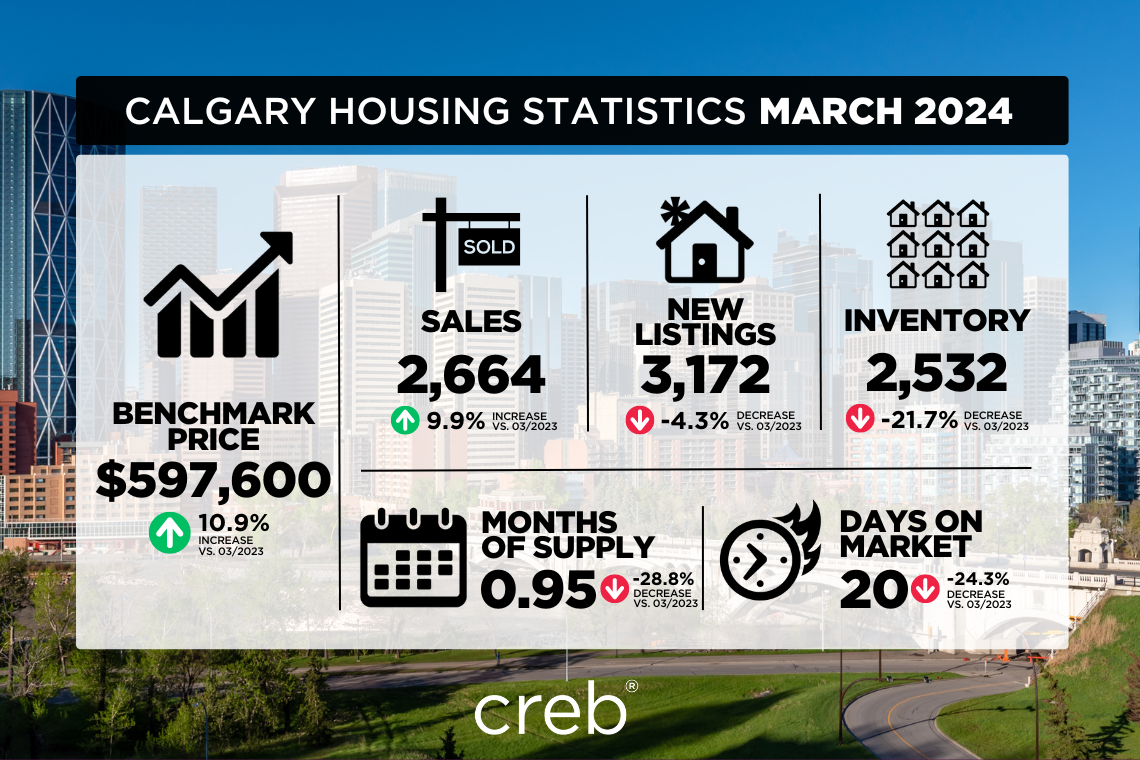
Calgary's red-hot housing market is showing early signs of cooling after months of frenzied activity, as potential buyers pause their search while waiting for clearer signals on interest rate cuts from the Bank of Canada.
New data from the Calgary Real Estate Board reveals home sales dropped 12 per cent in the first three weeks of March compared to the same period last year, while inventory levels have begun climbing for the first time since late 2023. The benchmark home price sits at $587,400, representing a modest 1.2 per cent increase from February.
"We're seeing a shift in buyer behaviour," said Sarah Mitchell, president of the Calgary Real Estate Board. "Many are adopting a wait-and-see approach as economic uncertainty grows and interest rate cut expectations have been pushed further into the future."
The Bank of Canada held its overnight rate steady at 3.75 per cent earlier this month, citing persistent inflationary pressures and a resilient labour market. Governor Tiff Macklem indicated rate cuts may not come as quickly as previously anticipated, dampening hopes among prospective homebuyers who had been banking on lower borrowing costs.
Calgary realtor Jennifer Thompson said her clients are increasingly cautious about making offers. "The urgency that drove the market through 2025 has definitely cooled," Thompson explained. "Buyers are taking more time to consider their options rather than jumping into bidding wars."
Housing market analysts point to several factors contributing to the slowdown. Rising unemployment in Alberta's energy sector, combined with global economic headwinds, has created uncertainty about future income stability for many potential buyers.
According to CalgaryFinder.com, which tracks local property data and neighbourhood trends, the most significant cooling is occurring in the luxury segment above $800,000, where sales have dropped 18 per cent month-over-month. Entry-level properties under $400,000 continue to see competitive activity, though less intense than in recent months.
"This cooling period could actually be healthy for the market," said Mark Rodriguez, chief economist at Alberta Economic Development. "It gives supply a chance to catch up with demand and may prevent the formation of a housing bubble."
Despite the recent slowdown, Calgary's housing market remains significantly stronger than most major Canadian cities. The city's relatively affordable prices compared to Toronto and Vancouver continue to attract interprovincial migrants, providing underlying support for demand.
Industry experts suggest the market may remain in this cooler state through the spring selling season unless the Bank of Canada signals a more dovish stance on monetary policy. Many buyers appear willing to wait for more favourable financing conditions rather than stretch their budgets at current rates.
The Calgary Real Estate Board expects to release comprehensive March statistics next week, which will provide a clearer picture of whether this cooling trend represents a temporary pause or the beginning of a more sustained market correction.