


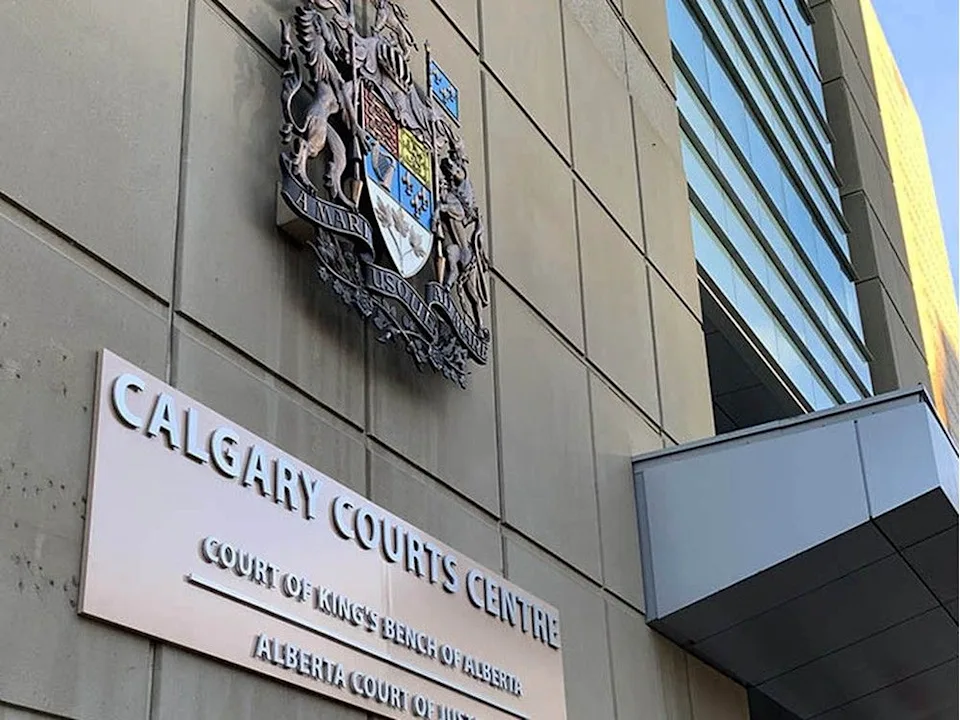
A major murder trial in Calgary faces potential collapse after a legal conflict involving one of the defence lawyers emerged just one day into proceedings, leaving a judge visibly frustrated and the fate of four accused killers hanging in the balance.
Greg Schuster, Jared Burke, Gurpreet Gill, and Shyana Popplestone are standing trial on first-degree murder charges in connection with the 2023 death of Tara Miller, whose body was discovered in a ditch near Okotoks. The six-week trial began Monday in the Court of King's Bench but quickly hit a major snag.
On Tuesday, the court learned that Shaun Leochko, the lawyer representing Schuster, had conflicts of interest involving several prosecution witnesses. Leochko immediately withdrew from the case, leaving Schuster without legal representation and throwing the entire trial into uncertainty.
"I am not going to make Mr. Schuster face a murder charge in a legally complex matter. I don't think that would bring credit to the administration of justice," said Justice Colin Feasby during Wednesday's court proceedings.
Justice Feasby did not mince words about his disappointment. He called the development "shocking" and expressed his "profound disappointment" at the unexpected turn of events. The judge made clear that Schuster would not be forced to represent himself in such serious legal proceedings.
The conflict has created a complex procedural nightmare. The defence team for the three other accused—Andrea Urquhard (representing Popplestone), Burke's counsel, and Gill's lawyer—expressed serious concerns about the implications. Urquhard told the court the situation "changes the landscape" of the trial and puts her client and the others at a potential disadvantage.
The Delay Dilemma
The core issue now centres on timing. Schuster needs a new lawyer and adequate time for counsel to review the evidence—a process that could take months. But the Supreme Court of Canada has set strict limits on what constitutes reasonable delay: 30 months for matters in the Court of King's Bench.
Here's where the stakes get even higher: if the delay is not attributed to the defence side, any of the accused could file what's known as a Jordan application, arguing their right to a fair and timely trial has been violated. A successful application could result in all charges being stayed—meaning the accused would walk free.
The defence lawyers told the judge they want to keep all four accused tried together but made clear they will not accept responsibility for months-long delays caused by this conflict. Crown prosecutors Katherine Love and Britta Kristensen suggested they might proceed with the three defendants while trying Schuster separately later, but the defence resisted that approach.
As of Wednesday's hearing, the court had not made a final decision on whether to adjourn the entire trial or proceed with three of the four accused. Whatever path forward is chosen, this case demonstrates how a single legal conflict can derail what was supposed to be a straightforward—if lengthy—murder trial.
The next steps remain to be determined, but one thing is certain: this high-profile case has hit a significant legal hurdle just days after it began.
Originally reported by CBC Calgary.