


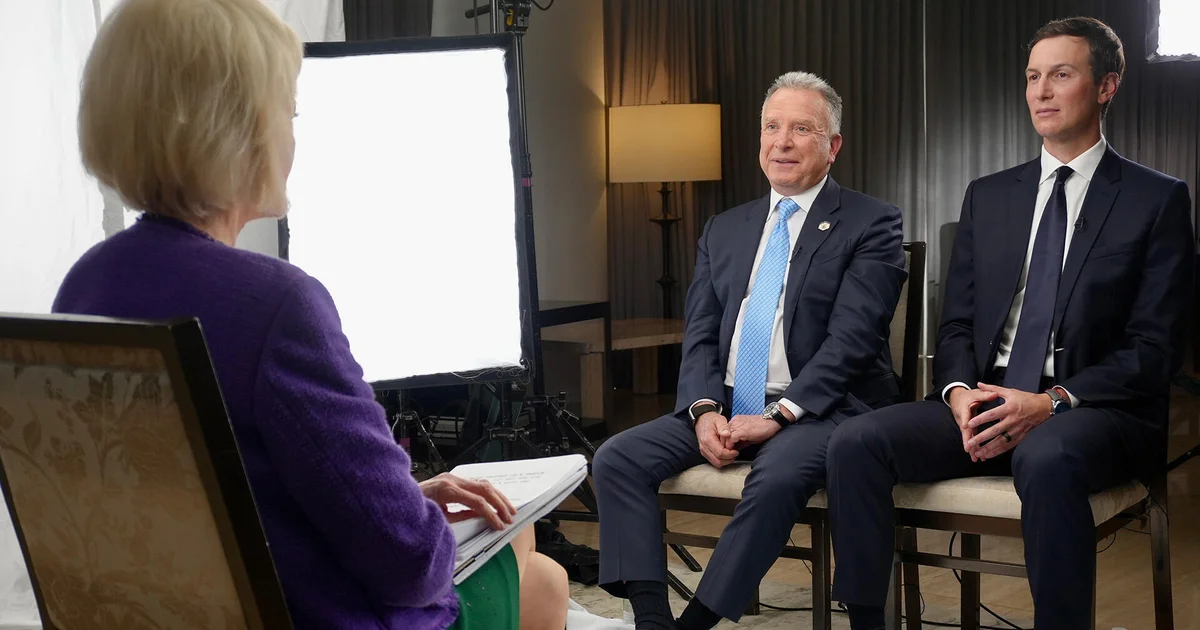
The Trump administration is making a dramatic diplomatic push this weekend, dispatching two of its most influential figures to Pakistan in hopes of breaking an escalating standoff with Iran that threatens global energy supplies and economic stability.
White House envoys Steve Witkoff and Jared Kushner are heading to Islamabad for talks with Iranian Foreign Minister Abbas Araghchi on Saturday, marking a significant shift in U.S.-Iran relations that have deteriorated sharply in recent weeks.
The mission comes as the Strait of Hormuz—one of the world's most critical energy chokepoints—has become a flashpoint for military escalation. Thousands of lives have been lost across the Middle East since direct conflict erupted between Washington and Tehran earlier this year.
Pakistan Steps in as Mediator
While both delegations will be present in Pakistan, Iranian officials have made clear that direct face-to-face negotiations won't occur. Instead, Pakistani government representatives will serve as intermediaries, conveying messages between the American and Iranian teams.
"No meeting is planned to take place between Iran and the U.S.," Iranian Foreign Ministry spokesman Esmael Baqaei said on social media Friday, emphasizing Pakistan's role as a neutral third party in what could prove to be crucial negotiations.
Iranian Foreign Minister Araghchi arrived in Islamabad late Friday evening. Though he didn't explicitly confirm the talks with American envoys, his sudden visit signals both sides' willingness to explore a diplomatic path forward despite months of hostile rhetoric and military posturing.
Signs of Progress Emerging
White House Press Secretary Karoline Leavitt told Fox News Channel that the administration remains cautiously optimistic about Saturday's talks, saying they hope the conversation will "move the ball forward to a deal."
"We're seeing some progress from the Iranian side in the last couple of days," Leavitt said, though she provided no specifics about what signals the U.S. has received from Tehran.
She emphasized that the Trump administration sent Kushner and Witkoff to Pakistan specifically "to hear the Iranians out"—a notable statement from an administration that has taken a hardline stance on Iran since returning to power.
High-Level Backup Waiting in the Wings
The stakes are clearly viewed as extremely high by the White House. Vice-President JD Vance, Secretary of State Marco Rubio, and the president's national security team are on standby, prepared to fly to Pakistan if their presence becomes necessary to close a deal.
Leavitt indicated that Vance remains "deeply involved" in the negotiations despite not traveling to Pakistan initially, suggesting the vice-president could yet play a direct role if breakthrough talks emerge.
Previous Negotiations Failed Despite Optimism
This weekend's talks represent the highest-level diplomatic engagement between Washington and Tehran since direct conflict erupted. The two sides last engaged in indirect discussions in Geneva on February 27, where Araghchi and the U.S. delegation negotiated for hours over Iran's nuclear program.
Those talks ultimately collapsed without agreement. Just one day later, Israel and the United States launched military operations against Iran, dramatically escalating regional tensions and shutting down what was considered the last genuine diplomatic pathway.
Saturday's mission signals a sharp reversal—an acknowledgment that military escalation has created an unsustainable situation that threatens not just regional stability but global economic security.
This article is based on reporting from CBC World, which first covered this developing story. Updated with analysis and context for Canadian readers.