


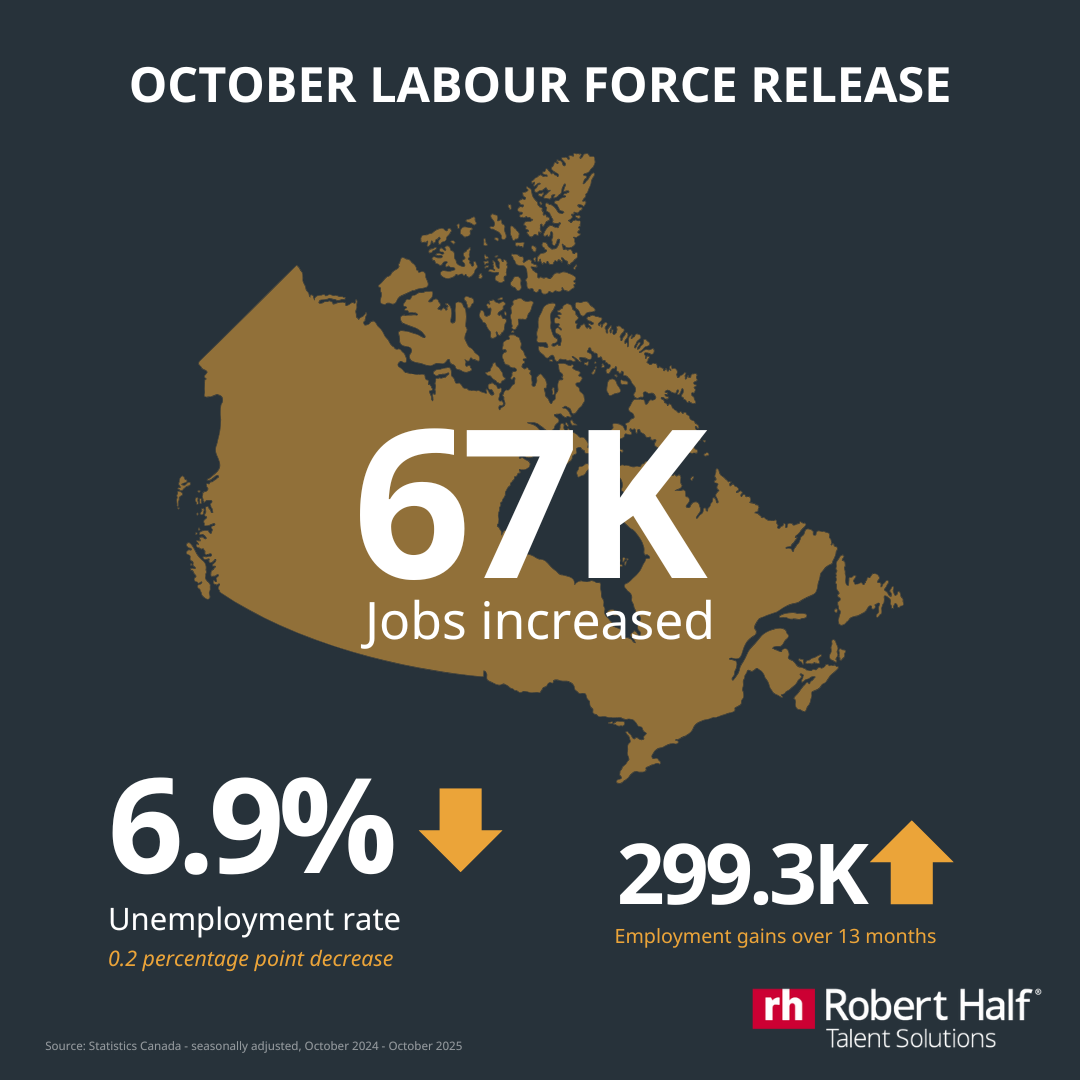
Canada's labour market is showing tentative signs of stabilization after a brutal start to 2026, with Statistics Canada reporting the addition of 14,000 jobs in March—a modest recovery from February's shocking loss of 84,000 positions.
The unemployment rate remained unchanged at 6.7 per cent, offering neither encouragement nor additional concern for Canadian workers and policymakers watching the economic landscape closely.
A Fragile Rebound
While economists caution against reading too much optimism into the March figures, the return to job growth—even at a sluggish pace—represents a welcome shift after weeks of grim headlines about employment across the country.
"No one is going to mistake this small back-up as a sign of strength," said Douglas Porter, chief economist at Bank of Montreal. "Still, even a small plus sign is a positive, as is the stable jobless rate."
The natural resources sector and personal and repair services led job creation, while the finance, insurance, real estate, rental, and leasing sectors saw declines. Public and private sector employment remained largely flat in March, though public sector growth continues to outpace the private sector on a year-over-year basis.
Wages Rise Significantly
One bright spot in the data caught the attention of the Bank of Canada: average hourly wages surged 4.7 per cent in March, climbing to $37.73—the largest increase recorded since October 2024. That represents an additional $1.68 per hour for Canadian workers.
The wage spike could signal inflationary pressures that the Bank of Canada will monitor closely heading into its next interest rate decision on April 29. With energy prices already elevated, policymakers worry about broader inflation creeping into the broader economy.
"The only really new news here is that wages seemingly popped, which the Bank of Canada will keep on eye on, particularly as it is already on high alert for signs of any spillover from higher energy prices to broader inflation," Porter noted.
Canadian workers and employers continue navigating an unpredictable economic environment, with job market stability hanging in the balance as spring progresses.
This article was adapted from reporting by Jenna Benchetrit at CBC News Business.