


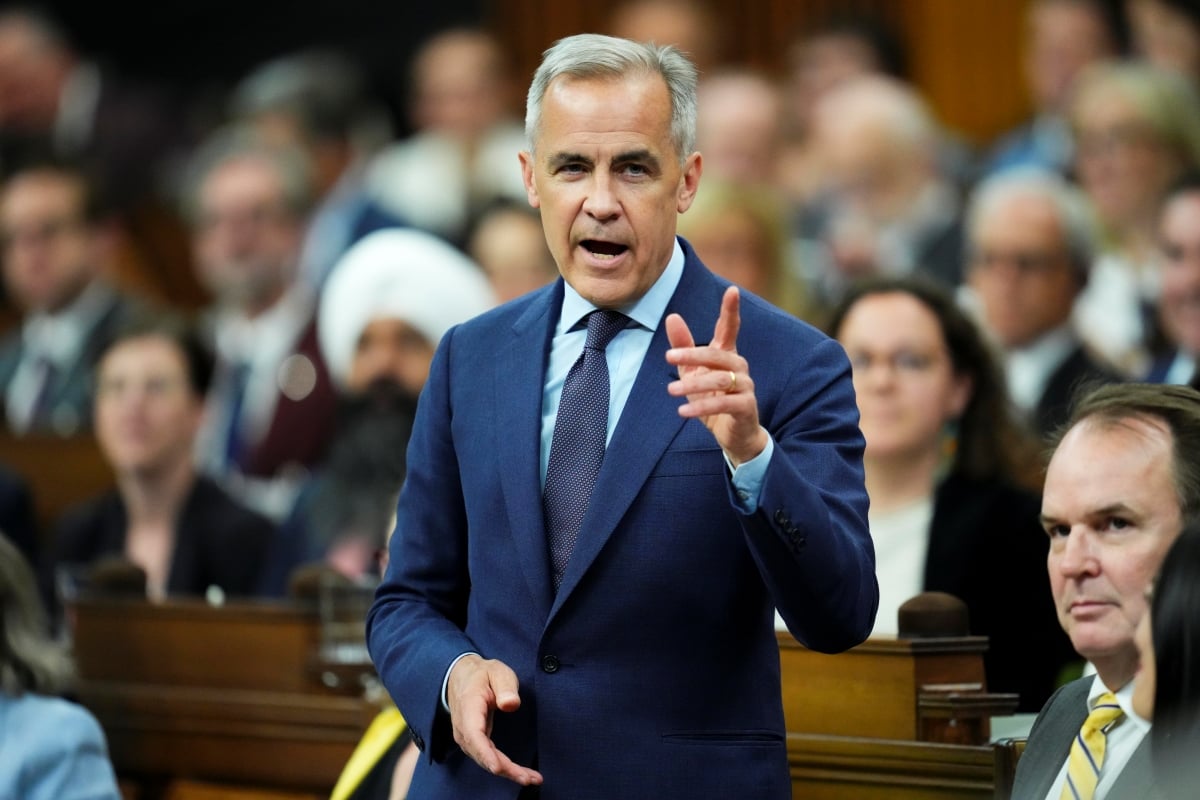
The political landscape in Ottawa has fundamentally shifted. Prime Minister Mark Carney's Liberals clinched a majority government following Monday's byelection sweep and a series of floor-crossers, marking a dramatic turnaround from their minority status less than a year ago.
The development has sent opposition parties into reassessment mode, as they confront the harsh reality of diminished parliamentary leverage and a government no longer dependent on their support to pass legislation.
Poilievre Demands Accountability From Carney
Conservative Leader Pierre Poilievre wasted no time laying down a challenge to the new majority government. Speaking in the House of Commons Tuesday morning, he demanded immediate action from the Prime Minister.
"The Liberals wanted a majority — well, absolute power comes with absolute responsibility," Poilievre declared. "They will actually have to get things done. They will have to do so without blaming others and they will have to start now."
Despite losing ground in the byelections, Poilievre signalled his intention to remain as Conservative leader and maintain aggressive scrutiny of the government throughout its term.
"I will continue to lead that fight in this House, across the country and in the next election," he said.
A Slim but Powerful Majority
While the Liberals' majority is razor-thin, it grants them significant procedural control over Parliament. The government can now outvote all other parties combined on legislation and motions limiting debate — provided their own MPs remain disciplined and united.
However, experts warn that procedural vulnerabilities remain. Parliamentary analyst Steven Chaplin notes the Liberals currently lack control of House committees, which remain constituted to reflect old seat distributions. Unless the Liberals pass motions to reconstitute committees — which their majority votes would enable them to do — the Conservatives and Bloc Québécois could still obstruct legislation at the committee stage.
Bloc Québécois Stakes Claim for Future Success
Bloc Québécois Leader Yves-François Blanchet took a different tack, suggesting his party performed better in Monday's Terrebonne byelection than in last year's general election. He argued the Liberals benefited from vote-splitting among former NDP and Conservative supporters in the Quebec suburb.
"The Bloc Québécois did much better than we did last year," Blanchet said at a news conference, positioning his party as well-placed for future electoral competition.
How the Majority Came Together
The Carney government's path to majority status represents an unusual coalition. Five floor-crossers from other parties, combined with successful byelection victories, gave the Liberals the 170 seats needed to control the 338-seat House of Commons.
The majority status was secured despite the Liberals having successfully passed significant legislation during their minority parliament, raising questions about whether the government truly needed expanded powers or whether political necessity drove the aggressive pursuit of additional seats.
As Parliament prepares for the byelection winners to be sworn in, opposition parties are already strategizing how to maximize their remaining leverage and prepare for what many predict will be a competitive next general election.
This article is based on reporting from CBC Politics. For the full original story, visit CBC News.