


An inquest into the 2021 death of a 24-year-old Ontario woman has revealed a troubling truth: her life may have been saved if hospital staff had acted faster to identify and treat a life-threatening infection.
Heather Winterstein died of sepsis at what is now known as Marotta Family Hospital in St. Catharines on December 10, 2021, just hours after collapsing in the emergency waiting room. An infectious disease specialist testifying at the coroner's inquest this week provided stark evidence that the critical window for intervention was missed on her first hospital visit.
The First Visit: A Missed Opportunity
On December 9, Winterstein arrived at the emergency department complaining of severe body pain. The attending physician ruled out infection and sent her home with acetaminophen and instructions to return if her condition worsened. The doctor attributed her symptoms to "social issues."
But Dr. Dominik Mertz, a professor of medicine at McMaster University and infectious disease specialist, told the inquest that this assessment missed the disease in its most treatable phase. Winterstein's best chance at survival came on that first visit—not the second, when she returned and collapsed after waiting for two and a half hours.
"Those screening tools are not perfect," Mertz testified. "You miss 10 to 20 per cent of patients" with sepsis, even when using established hospital protocols.
What Might Have Changed Everything
Mertz explained that had he been evaluating Winterstein on December 9, he would have ordered bloodwork and additional lab tests to check for signs of infection—inflammation markers and organ dysfunction indicators that standard screening tools sometimes miss.
Her history of intravenous drug use should have raised particular concern, Mertz noted. IV drug users face elevated risk of blood infections from contaminated equipment, making infection screening especially critical.
"If there was any suspicion there that something infectious might have been going on, which in hindsight I believe could have been identified, then that would have been the moment when we could have had the best chances to intervene successfully," he told the coroner's jury.
The Race Against Septic Shock
The difference between early treatment and late treatment is stark when sepsis is involved. Once a patient progresses to septic shock—the most severe form of the condition where blood pressure drops dangerously—mortality rates spike dramatically.
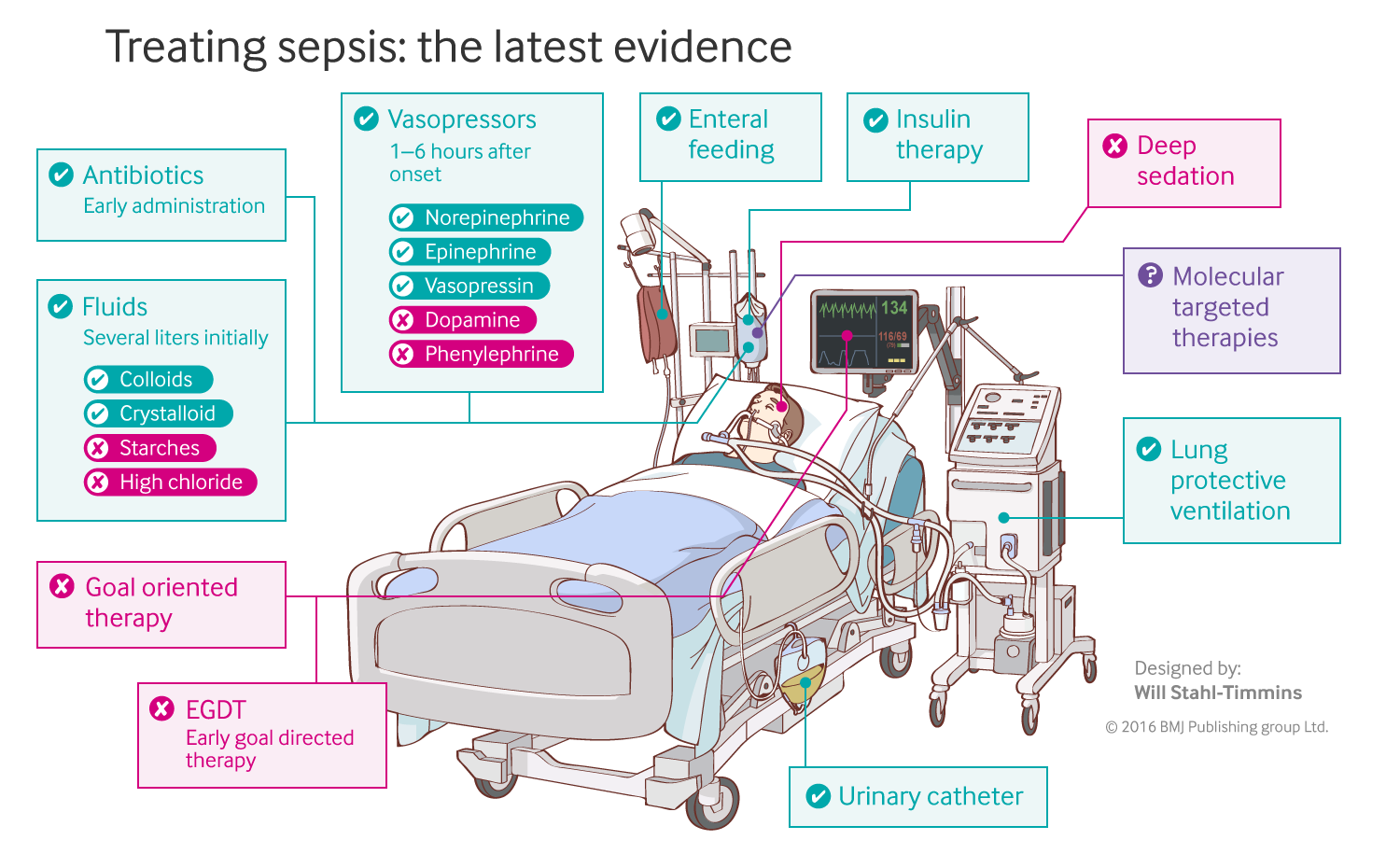
"You want to start the antibiotics before that septic shock actually happens because that's when the mortality starts to increase quite significantly," Mertz explained. An autopsy confirmed Winterstein's sepsis was caused by two types of bacteria: streptococcus pyogenes and staphylococcus aureus.
Concerns Beyond Medical Oversight
Since Winterstein's death, her family and community organizations have raised concerns that her treatment may have been affected by systemic biases. Questions have been raised about whether addiction discrimination or anti-Indigenous racism influenced how emergency staff assessed and responded to her case.
One witness in the waiting room believed Winterstein was Indigenous, while a triage nurse testified she was unaware of Winterstein's background. These details highlight broader concerns about equitable healthcare access in Canadian emergency departments.
What Comes Next
The inquest, which began March 30, is expected to hear from approximately 22 witnesses over 13 days. A coroner's jury will ultimately determine the facts of the case and may issue recommendations aimed at preventing similar preventable deaths. While juries cannot assign blame or determine guilt, their recommendations often lead to important changes in hospital protocols and training.
This story is based on reporting from CBC Health and Ontario coroner's inquest testimony. The case underscores broader questions about sepsis recognition in emergency departments and equitable healthcare delivery across Canada.