


Alberta's political landscape is heating up after the UCP government introduced a controversial new electoral boundaries map that has opposition leaders crying foul over what they call an illegitimate process designed to favour the ruling party.
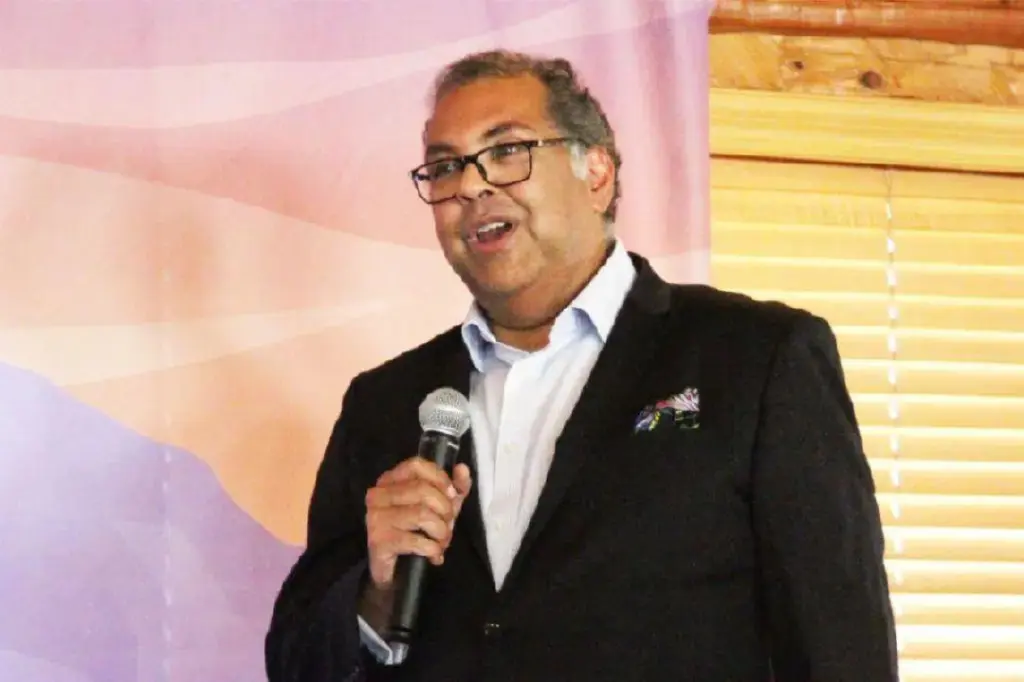
Opposition Leader Naheed Nenshi launched a fierce attack on the changes unveiled in the Legislature on November 2, accusing the government of unprecedented electoral manipulation. He has vowed to challenge the map in court.
"This is Rigging the Rules"
"Every Albertan should be deeply concerned about what we're seeing today," Nenshi declared. "This is not just about boundaries. This is about a government willing to rig the rules, manipulate the democratic process, and abuse its power to give itself a better chance of winning the next election."
The NDP leader characterized the redrawing as "MAGA-style gerrymandering"—language typically reserved for American politics—highlighting what he views as an extraordinary shift in Canadian electoral practices.
The Lethbridge Question
The most striking change involves Lethbridge, which would jump from two electoral ridings to four hybrid urban-rural ridings under the new map. This aggressive carving-up stands in sharp contrast to Red Deer, a city of similar size that remains entirely unchanged.
During Legislature Question Period on November 3, Nenshi posed a pointed question to Premier Danielle Smith: why the dramatically different treatment?
"They left Red Deer completely alone but they wiped Lethbridge off the map. The only difference between those two cities I can think of is one has a New Democrat member and the other has a separatist," Nenshi said, referencing Red Deer-South MLA Jason Stephan, who has announced he will not seek re-election.
The Process That Started It All
The controversy centres on what Nenshi calls an "illegitimate process." The original Electoral Boundaries Commission released a majority report recommending an 89-riding map, but the UCP government rejected it. Instead, they created a Special Select Committee on Electoral Boundaries, chaired by UCP MLA Brandon Lunty, to develop a new proposal.
The new map expands Alberta to 91 ridings—a move that also resurrects Rocky Mountain House-Sundre, a riding previously slated for elimination under the original commission's plan. That riding is currently held by Finance Minister Jason Nixon, a key UCP figure.
Divided Support in Lethbridge
The changes have split local representation. Lethbridge-East MLA Nathan Neudorf supports the four-riding configuration, arguing it will provide better legislative representation. However, Lethbridge-West MLA Rob Miyashiro has come out strongly against the plan.
Premier Smith defended the new boundaries, claiming the Special Select Committee was simply following recommendations from the original Electoral Boundaries Commission report, in which chair David Miller suggested hybrid ridings weren't unreasonable.
If passed, Smith contends the changes would actually improve Lethbridge's representation in the Legislature—a position hotly disputed by the Opposition.
Legal Showdown Ahead
With Nenshi promising court action and public debate intensifying across Alberta, the electoral map battle appears headed for a protracted legal and political struggle. For Albertans watching from Calgary forums and community discussions across the province, the outcome could reshape provincial representation for years to come.
This article is based on reporting from the Red Deer Advocate.