


After more than six decades of absence, there's mounting evidence that one of Canada's most formidable predators is making a dramatic comeback to the Labrador wilderness.
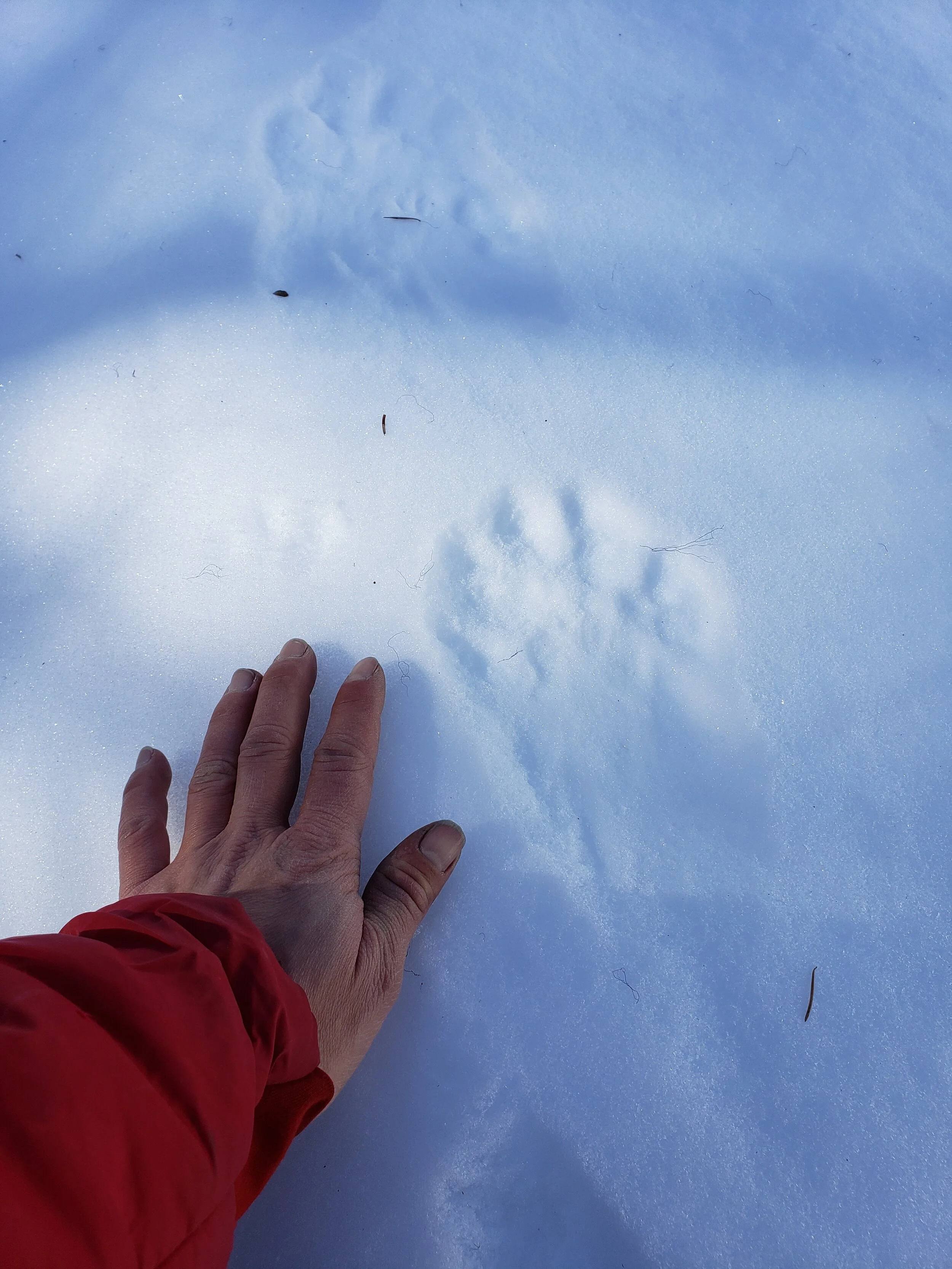
The wolverine—a rare and endangered species in eastern Canada—has been virtually absent from the Labrador landscape since the 1960s. But recent sightings and track discoveries near Nain are reigniting hope among wildlife officials and Indigenous leaders that the animal is returning home.
A Glimmer of Hope
Shelley Moores, director of the Wildlife Division in Newfoundland and Labrador's Department of Forestry, Agriculture and Lands, confirmed her team has been collecting recent reports and physical evidence of wolverine activity.
"We are very interested in any sightings," Moores told CBC Radio's On the Go. "Some of our staff actually observed one last winter while doing caribou surveys in western Labrador."
The observation marks a significant moment for wildlife recovery efforts in the province. The survey team captured images during their work, which officials plan to share publicly as analysis continues.
Years of Searching Yield Results
The renewed optimism comes after a sobering period of uncertainty. In the early 2000s, a provincial recovery team conducted an extensive wolverine survey across northern and central Labrador—but came up empty.
"We were at a point where we didn't know what to do next," Moores explained. "There was discussion about whether we should simply let nature take its course and see if wolverine populations elsewhere in Canada would naturally immigrate back into Quebec and Labrador."
That approach may be paying off. The recent tracks spotted near Nain suggest the lone wolverine documented last winter isn't isolated—that there may be a breeding population slowly reestablishing itself.
"Hopefully we'll get more images. We'll get more pictures," Moores said, urging Labradorians to report any sightings to her department.
Cautious Optimism From Indigenous Leadership
Jim Goudie, deputy minister of Land and Natural Resources for the Nunatsiavut Government, tempered expectations slightly, noting that positive identification requires careful analysis.
"I'm always a little bit cautious on saying, 'Yes, this is definitely a wolverine,'" Goudie said. However, he acknowledged that recent track images are "exciting" and have been sent to experts for formal confirmation.
For Goudie, the potential return carries deeper significance. "I think, to me, that would be kind of a sign that the environment's healing itself," he said, reflecting on the importance of the wolverine's ancestral presence in the region.
The Call for Public Participation
Officials are asking residents and outdoor enthusiasts throughout Labrador to become citizen scientists. Any photographs, track casts, or credible sightings should be reported directly to the Wildlife Division—data that could prove crucial to understanding whether wolverines are truly reestablishing themselves in the province.
The wolverine's potential return represents more than a conservation victory. It symbolizes ecological recovery and the resilience of Canada's wild spaces when given the chance to heal.
This article is based on reporting from CBC Tech and CBC News. Read the original story at CBC News.